
Beautiful Plants For Your Interior
Beautiful Plants For Your Interior
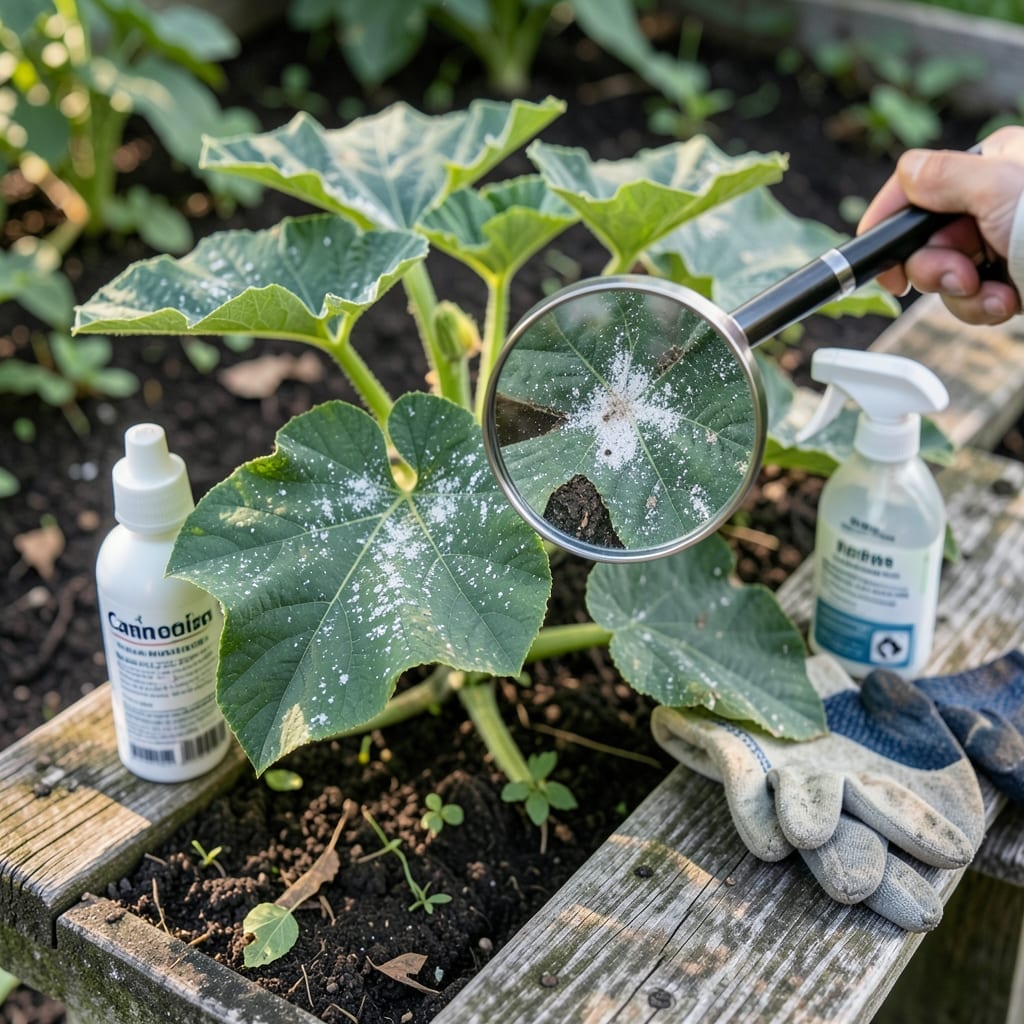
That white powder on your leaves isn’t dust—it’s a fungal party crashing your garden. I’ve lost entire squash crops to powdery mildew before learning the natural fixes that actually work.
Here’s the thing—this spread happens fast, especially in humid weather. But the solution is simpler than you think: improve air flow, adjust watering, and apply the right organic spray.
Within days you’ll see the white spots fade and new growth come in clean. The key is catching it early and staying consistent with your treatment.
Works for cucumbers, roses, phlox, and most garden favorites. Let’s clear this up for good.
Powdery mildew thrives when conditions favor its growth. Understanding the root causes helps you prevent and tackle it effectively. Here’s why it happens:
This fungus loves dry foliage but high ambient humidity (60-80%). Unlike other fungi, powdery mildew doesn’t need wet leaves to spread—just humid air. Poor airflow traps moisture, creating the perfect breeding ground.
Dense plantings restrict airflow, allowing spores to settle and multiply. Prune regularly and space plants properly to improve ventilation. Crowding = mildew magnet.
Temperature swings (60–80°F) accelerate spore germination. Warm days followed by cool, dewy nights are ideal for powdery mildew to take hold, especially in shaded or semi-shaded areas.
Watering from above wets leaves, but the real issue is prolonged leaf dampness. If leaves stay wet for hours, spores cling and invade. Always water at the base of plants in the morning to allow quick drying.
Some plants are naturally prone, like roses, cucumbers, squash, and zinnias. These species lack strong resistance, making them easy targets. Choose mildew-resistant varieties when possible.
Tackling powdery mildew starts with identifying the root cause and applying targeted fixes. Below are simple, actionable solutions for common triggers, plus prevention tips to keep your plants thriving.
Fix: Adjust your watering schedule to allow the soil to dry slightly between sessions. Ensure pots have drainage holes, and use well-draining soil mixes. If the plant is already affected, repot it in fresh, dry soil.
Prevention: Water at the base of the plant early in the day so foliage dries quickly. Avoid wetting the leaves.
Fix: Prune overcrowded branches or leaves to improve airflow. For indoor plants, use a small fan on low speed to keep air moving gently.
Prevention: Space plants apart and avoid clustering them too closely. Outdoors, thin out dense foliage regularly.
Fix: Reduce humidity by using a dehumidifier indoors or improving ventilation. For outdoor plants, water in the morning to give them time to dry before evening.
Prevention: Choose mildew-resistant plant varieties if you live in a humid climate.
Fix: Relocate potted plants to a sunnier spot. For garden plants, trim nearby trees or structures casting too much shade.
Prevention: Most plants need 6+ hours of sunlight daily. Research your plant’s light needs and position accordingly.
Fix: Spray affected leaves with a mix of 1 tablespoon baking soda + 1 teaspoon dish soap + 1 gallon of water. Alternatively, use neem oil (follow package instructions) for a fungal deterrent.
Prevention: Apply these sprays every 1–2 weeks as a preventive measure, especially during damp seasons.
💡 Pro Tip: Remove and destroy severely infected leaves or stems immediately to prevent the fungus from spreading!
Apply baking soda or neem oil solutions every 7-10 days as prevention. For active outbreaks, spray every 3-5 days until the issue clears. Always treat in the morning for best results.
Yes, a 1:10 vinegar-to-water mix can help, but test on a small area first as it may damage sensitive plants. It works best as a preventive measure rather than a cure.
Spores travel easily through air and water. Isolate infected plants immediately and avoid overhead watering to prevent spreading.
Remove infected leaves first, then apply a baking soda spray. Improve airflow and reduce humidity for the quickest recovery.