
Beautiful Plants For Your Interior
Beautiful Plants For Your Interior
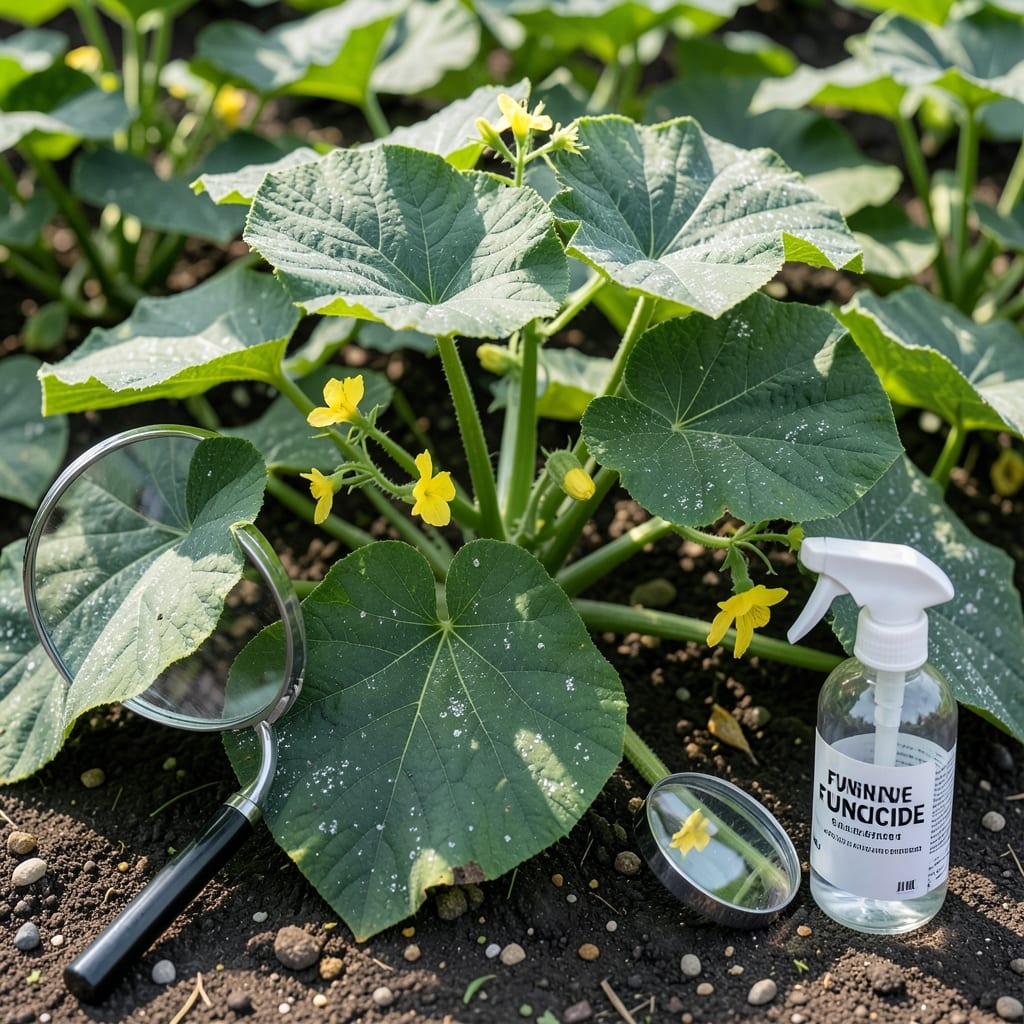
White powder on leaves means trouble. I first spotted it on my zucchini last summer—looked like someone dusted the plants with flour.
This fungus spreads fast in warm, dry conditions and can stunt growth if ignored. The good news: it’s treatable without chemicals. Early detection is key, and I’ve found simple organic solutions that work.
You’ll learn to recognize the early signs, stop the spread, and keep your garden healthy. The fixes are straightforward and use items you likely already have at home.
No more guessing if that white stuff is serious. Here’s how to handle it for good.
Understanding why powdery mildew appears is key to preventing and treating it effectively. This fungal disease thrives under specific conditions, often targeting a wide range of plants. Below are the primary causes:
Powdery mildew spores germinate in environments with relative humidity between 40% and 70%. Unlike many fungi, it doesn’t require free water to grow—just high moisture in the air. Poor air circulation exacerbates the problem, trapping humidity around leaves and stems.
Some plants are genetically more prone to powdery mildew, including roses, cucumbers, squash, and grapes. These species often lack natural resistance, making them easy targets. Overcrowding plants or using non-resistant cultivars increases vulnerability.
This fungus thrives in moderate temperatures (60–80°F / 15–27°C). The combination of warm daytime temperatures and cooler nights creates ideal conditions for spore development and spread.
Watering plants from above can inadvertently promote powdery mildew. While the fungus doesn’t need leaf wetness to infect, splashing water can disperse spores to new plant parts. Drip irrigation or soaker hoses are safer alternatives.
Dense plantings or sheltered garden spots restrict airflow, allowing humidity to linger. Pruning for better ventilation and spacing plants properly can significantly reduce the risk of infection.
Powdery mildew can be stubborn, but these targeted fixes will help you reclaim your garden’s health. Start by addressing the root causes with simple, effective solutions.
Prune overcrowded plants to allow airflow between leaves and stems. Space seedlings farther apart at planting time, and thin dense foliage regularly. For indoor plants, use a small fan on low to keep air moving. Prevention tip: Avoid placing plants too close together or against walls.
Water plants at the base in the morning so leaves dry quickly in sunlight. Use drip irrigation or soaker hoses to keep foliage dry. If humidity is unavoidable (like in greenhouses), consider a dehumidifier. Prevention tip: Remove weeds and debris, which can trap moisture and spread spores.
Relocate potted plants to sunnier spots or trim nearby trees casting shade. For garden beds, choose mildew-resistant varieties suited to your light conditions. Prevention tip: Rotate crops yearly to avoid recurring issues in shaded areas.
Switch to a slow-release, low-nitrogen fertilizer to avoid lush, susceptible growth. Test soil to ensure proper nutrient levels. Prevention tip: Use compost or organic matter to improve soil health naturally.
💡 Pro Tip: Remove and destroy heavily infected leaves or plants immediately to prevent spread. Never compost mildewed material—it can reinfect your garden!
Early signs appear as white, powdery spots on upper leaf surfaces. These patches spread quickly, covering entire leaves and stems. Unlike downy mildew, this stays on the surface and looks like spilled flour.
Roses, cucumbers, squash, and grapes are highly susceptible. Zucchini and pumpkins often show symptoms first. Even drought-tolerant plants like lavender can be affected in humid conditions.
Yes, spores travel easily via wind, water splash, or gardening tools. Isolate infected plants immediately. Clean tools with rubbing alcohol between uses to prevent cross-contamination.
Rarely fatal, but severe infections weaken plants and reduce yields. Act fast—the fungus can stunt growth and deform new leaves. Early treatment usually restores plant health completely.