
Beautiful Plants For Your Interior
Beautiful Plants For Your Interior
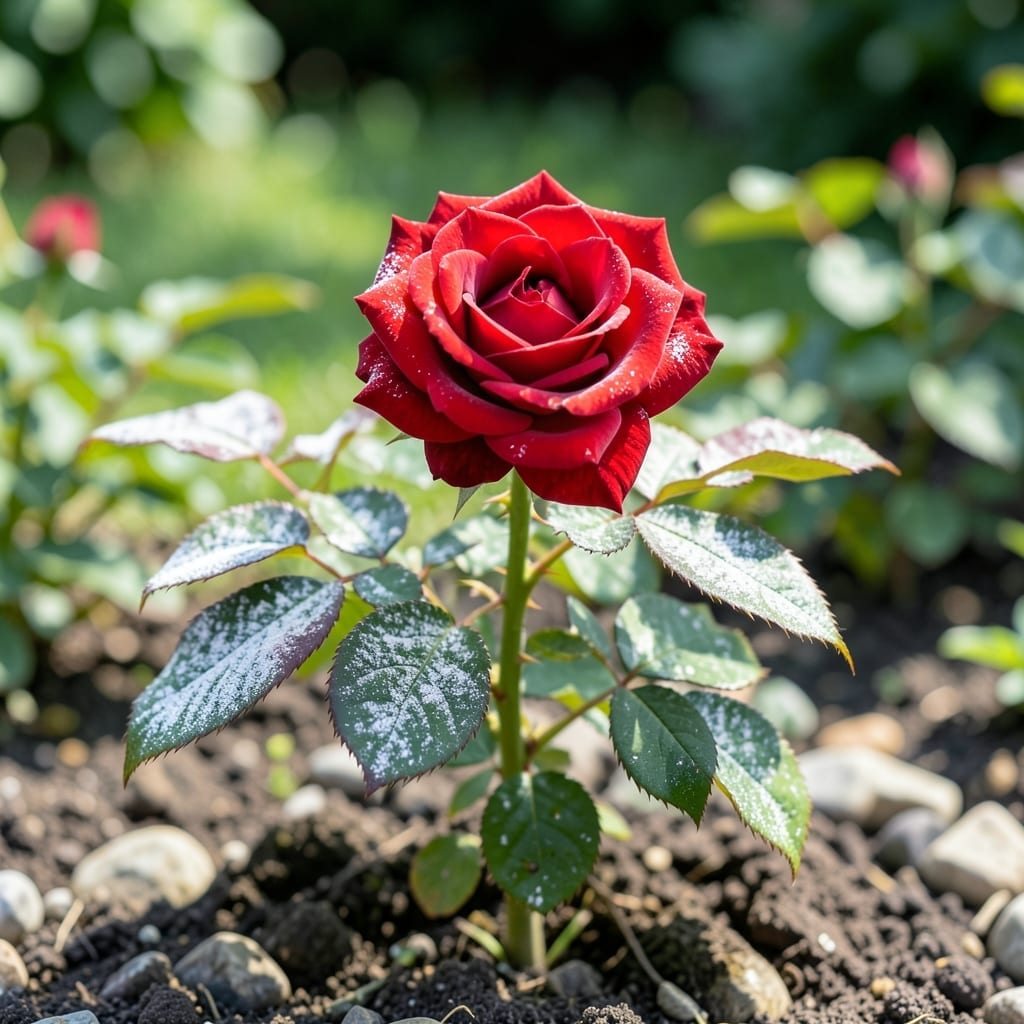
That white powder on your knockout roses isn’t dust. I spotted it first on my ‘Double Pink’ last spring—looked like someone had sprinkled flour on the leaves overnight.
Knockout roses are tough, but powdery mildew finds them in crowded spaces, humid weather, or poor air flow. Left unchecked, it weakens plants and ruins blooms. The good news? Caught early, it’s easily treatable.
Organic sprays work fast, and simple cultural changes prevent it from returning. You’ll see new growth within a week of treatment, and your roses will bounce back stronger.
Works for all knockout varieties, from ‘Radrazz’ to ‘Sunny’. Here’s how to spot it and stop it before it spreads.
Powdery mildew on Knockout roses doesn’t appear out of nowhere—it thrives under specific conditions. Here’s why it happens and how to stop it in its tracks.
The fungus Podosphaera pannosa (the usual culprit for roses) loves humidity levels above 60%. Unlike other fungal diseases, it doesn’t need wet leaves to germinate—just high ambient moisture with dry leaf surfaces. This often happens in crowded plantings or during evening dew formation in warm climates.
Knockout roses planted too closely together or in shaded, stagnant areas create a microclimate perfect for spores. Limited airflow slows evaporation, keeping humidity trapped around foliage. Prune dense canopies and space plants at least 3–4 feet apart to disrupt this cycle.
Drought-stressed or over-fertilized roses (especially with high nitrogen) produce soft, succulent growth that’s more susceptible to infection. Similarly, sudden temperature swings or excessive shade weaken plants, reducing their natural defenses against fungal spores.
Watering from above—especially in the late afternoon or evening—leaves foliage damp for extended periods. While powdery mildew doesn’t require free water to infect, prolonged leaf wetness can accelerate spore germination and spread. Always water at the base to keep leaves dry.
Powdery mildew on your Knockout roses can be frustrating, but it’s manageable with the right approach. Below are targeted solutions for common causes, along with prevention tips to keep your roses thriving. 🌹
Prune dense foliage to allow airflow between plants. Space roses at least 3–4 feet apart to reduce humidity buildup. A small fan on low can also help in greenhouses or sheltered areas.
Prevention: Plant in open, breezy spots and avoid overcrowding.
Water roses at the base in the morning so leaves dry quickly. Avoid overhead watering, which wets foliage and invites spores. Drip irrigation is ideal.
Prevention: Mulch to prevent soil splashing and maintain consistent moisture levels.
If you’re using sprinklers, switch to soaker hoses or drip lines. Keep leaves dry, especially in evenings, when dampness lingers.
Prevention: Water early in the day to give leaves time to dry before nightfall.
Use a baking soda spray (1 tbsp baking soda + 1 tsp dish soap + 1 gallon water) or a neem oil solution (2 tbsp neem oil + 1 gallon water). Spray every 7–10 days until the issue clears. For severe cases, use a sulfur-based fungicide (follow label instructions).
Prevention: Apply preventative sprays in early summer before mildew appears.
Fertilize with a balanced rose food to strengthen plants. Remove and destroy infected leaves to prevent spores from spreading. Disinfect pruners with rubbing alcohol between cuts.
Prevention: Keep roses healthy with regular feeding and proper pruning.
With these steps, your Knockout roses can shake off powdery mildew and stay vibrant all season long!
Under ideal conditions, spores can germinate within 48 hours. Warm, humid weather accelerates spread, so act fast at first signs.
Rarely fatal, but left untreated it weakens plants, reduces blooming, and can defoliate. Healthy Knockouts usually recover with treatment.
Yes, a 1:3 vinegar-water spray can help, but it may damage leaves if too strong. Test on a small area first.
No, spores survive composting. Bag and trash infected material to prevent reinfection. Never add to home compost.