
Beautiful Plants For Your Interior
Beautiful Plants For Your Interior
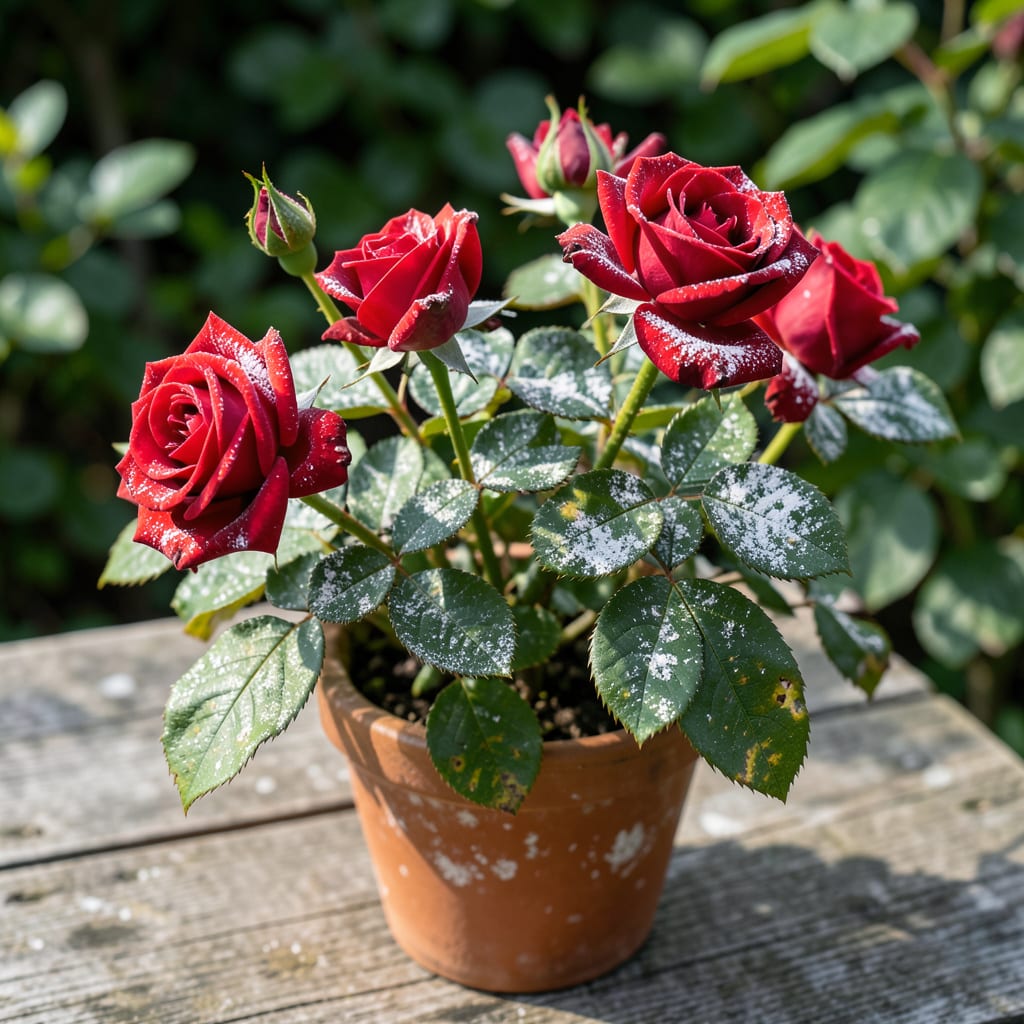
White powdery spots on your roses aren’t just unsightly—they’re a warning sign. I first noticed it on my knockout roses last spring, and it spread faster than I expected. This fungal issue thrives in warm, humid conditions, often appearing when days are dry but nights are damp.
The culprit is usually powdery mildew, which loves crowded plants with poor air circulation. It starts on leaves but can move to stems and buds if left unchecked. I learned the hard way that prevention is easier than cure—once it takes hold, it can weaken your plants significantly.
Simple fixes made a huge difference for me: spacing plants properly, watering at the base, and removing affected leaves immediately. A baking soda spray works as a gentle organic treatment, but consistent vigilance is key.
With the right approach, your roses can stay healthy and mildew-free all season. The solution is more about good habits than expensive treatments.
White mildew on roses is typically caused by fungal pathogens, with Podosphaera pannosa (powdery mildew) being the most common culprit. This unsightly white coating thrives under specific environmental conditions and cultural practices. Below are the primary causes, explained scientifically for clarity and actionability.
Fungal spores germinate in environments with humidity levels above 60% and stagnant air. Roses planted too closely or in shaded, poorly ventilated areas trap moisture on leaves, creating ideal conditions for mildew. Podosphaera pannosa spores land on wet foliage and quickly colonize when airflow is limited.
Watering roses from above leaves foliage damp for extended periods, especially in cooler evenings. This prolonged leaf wetness (6+ hours) allows fungal spores to absorb moisture, swell, and penetrate plant tissues. Drip irrigation or soaker hoses at the base prevent this issue.
Excess nitrogen promotes lush, soft growth that’s more susceptible to fungal attacks. While roses need nitrogen for vibrant blooms, over-application weakens cell walls, making it easier for mildew to establish. Balanced fertilization (e.g., 10-10-10 NPK) is key to resilient plants.
Some rose cultivars lack genetic resistance to powdery mildew. Hybrid teas and floribundas are particularly vulnerable, while species like Rosa rugosa or Knock Out® roses show natural resistance. Check variety tags for disease resistance ratings before planting.
White mildew on roses can be frustrating, but these practical solutions will help you restore your garden’s beauty and keep it thriving. Below are targeted fixes for each cause, along with prevention tips to stop it from coming back.
If damp conditions are to blame, start by pruning overcrowded foliage to allow air to circulate. Water roses at the base in the morning so leaves dry quickly. Prevention tip: 💡 Space plants 3–4 feet apart and avoid overhead watering.
For existing mildew, snip infected leaves and stems (dispose in sealed bags, not compost). Apply a baking soda solution (1 tsp baking soda + 1 quart water + a drop of dish soap) weekly. Prevention tip: ✨ Use fungicide (like neem oil) every 2–3 weeks during humid seasons.
Weak roses are more susceptible. Fertilize with balanced 10-10-10 and add compost to improve drainage. Prevention tip: 🎯 Mulch with straw (not wood chips) to reduce soil-borne spores.
Roses need 6+ hours of sunlight daily. Trim nearby trees or relocate potted roses to sunnier spots. Prevention tip: 🌡️ Avoid planting in low-lying areas where cool air settles.
Consistency is key—combine these fixes with regular monitoring for long-term mildew-free roses!
Not always, but humidity above 60% combined with poor airflow creates perfect conditions. Even dry climates can see mildew if roses are crowded or watered improperly.
Some varieties like hybrid teas are more vulnerable, while Knock Out® roses or Rosa rugosa have natural resistance. Check plant tags for disease resistance ratings before buying.
Avoid vinegar—it can burn rose leaves. Instead, use a baking soda solution (1 tsp per quart of water) weekly for safe, effective treatment.
