
Beautiful Plants For Your Interior
Beautiful Plants For Your Interior
First noticed that white powder on my pond’s orange lily pads last summer. It wasn’t just ugly—it was spreading fast and threatening the whole ecosystem.
Turns out it’s usually a fungal issue, but could also be mineral buildup or even pollen. The good news? With 3 simple steps, you can identify the exact cause and stop it in its tracks.
Your water garden will bounce back with vibrant leaves and thriving fish once you remove the residue properly. Prevention keeps it from returning next season.
Works for any size pond, from small container water gardens to large backyard features. Here’s how to fix it for good.
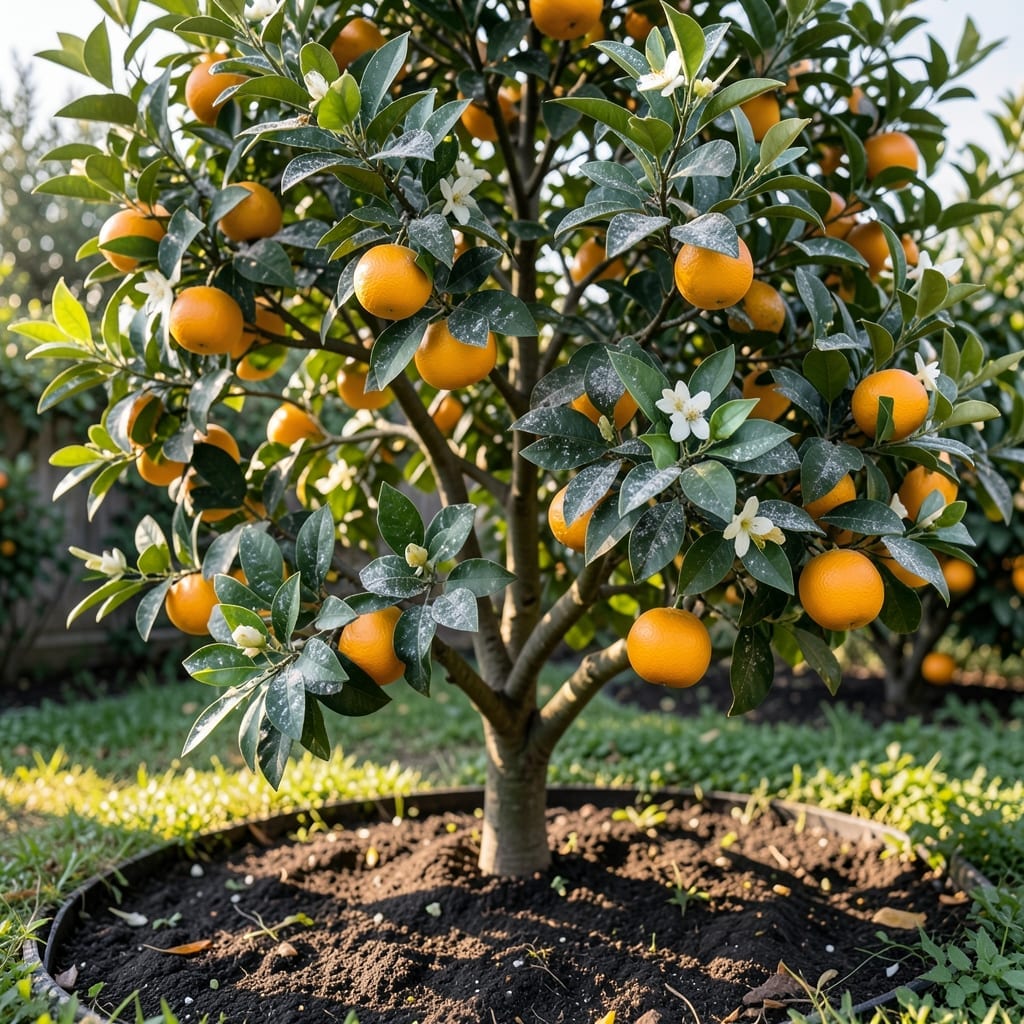
The white, powdery substance on your pond oranges (or other citrus fruits) is usually one of three things: powdery mildew, mineral deposits, or residue from hard water or treatments. Here’s a science-backed breakdown of each cause:
Powdery mildew (Podosphaera xanthii or Erysiphe cichoracearum) thrives in warm, humid conditions—perfect for pond-side citrus. The fungus spreads via spores, forming a white, powder-like coating on leaves, fruit, or stems. It blocks sunlight, weakening the plant and reducing fruit quality. Actionable fix: Improve air circulation, avoid overhead watering, and apply sulfur-based fungicides preventatively.
If your pond water is high in calcium or magnesium (hard water), evaporation can leave behind chalky lime deposits on fruit surfaces. These minerals crystallize as water dries, creating a fine, white film. This is harmless but unsightly. Actionable fix: Use a water softener or switch to distilled water for misting. Wipe fruit gently with a vinegar-water solution (1:3 ratio) to dissolve deposits.
Pond treatments (e.g., algaecides, pH adjusters) or foliar sprays (e.g., neem oil, copper fungicides) can leave a white, powdery residue if not rinsed properly. These residues often contain calcium carbonate or sulfur particles. Actionable fix: Rinse fruit thoroughly after applying treatments, and follow label instructions for dilution rates.
Pro tip: 🔍 Test a small area with a damp cloth—if the powder wipes off easily, it’s likely mineral or chemical residue. If it’s stubborn and spreads, it’s probably fungal.
If you’ve spotted a white, powdery coating on your pond’s orange plants or fish, quick action can restore balance. Below are targeted fixes for the most common causes, paired with simple prevention tips to keep your water garden thriving.
Fix: Remove affected leaves or plants immediately to stop the spread. Treat the pond with a pond-safe antifungal (like hydrogen peroxide at 3% concentration, dosed carefully) or a biological control such as Bacillus subtilis. For fish, isolate them in a quarantine tank with a fungal medication.
Prevent: Improve water circulation with a fountain or aerator to reduce stagnant spots where fungi thrive. Test water quality weekly to keep pH (6.5–8.5) and ammonia levels in check.
Fix: Gently wipe leaves or surfaces with a soft cloth dipped in dechlorinated water. For stubborn deposits, use a 50/50 mix of water and white vinegar (rinse thoroughly afterward). Avoid abrasive scrubbing to prevent damage.
Prevent: Reduce hard water effects by adding a water softener or using rainwater for topping off. Install a UV clarifier to minimize mineral buildup from evaporation.
Fix: Raise the water temperature slightly (if safe for your species) to disrupt parasite life cycles. Use praziquantel or a copper-based treatment for ich or flukes, following dosage instructions precisely. Remove and clean decorations or rocks with a 1:20 bleach-water solution (rinse well!).
Prevent: Quarantine new plants or fish for 2–4 weeks before introducing them. Maintain consistent water parameters and avoid overcrowding to reduce stress, which attracts parasites.
💡 Pro Tip: After treating any issue, perform a 20–30% water change to remove residual chemicals and refresh the pond’s ecosystem.
It depends on the cause. Mineral deposits are harmless, but fungal growth can spread to fish, causing infections. Remove affected plants immediately and treat with a pond-safe antifungal to prevent harm.
Test by wiping a small area with a damp cloth. If the powder comes off easily, it’s likely mineral buildup. If it spreads or resists wiping, it’s probably fungal.
Yes, a 50/50 water-vinegar mix works for mineral deposits. Rinse thoroughly afterward to avoid altering pond pH. Avoid using vinegar for fungal issues—it won’t kill spores.