
Beautiful Plants For Your Interior
Beautiful Plants For Your Interior
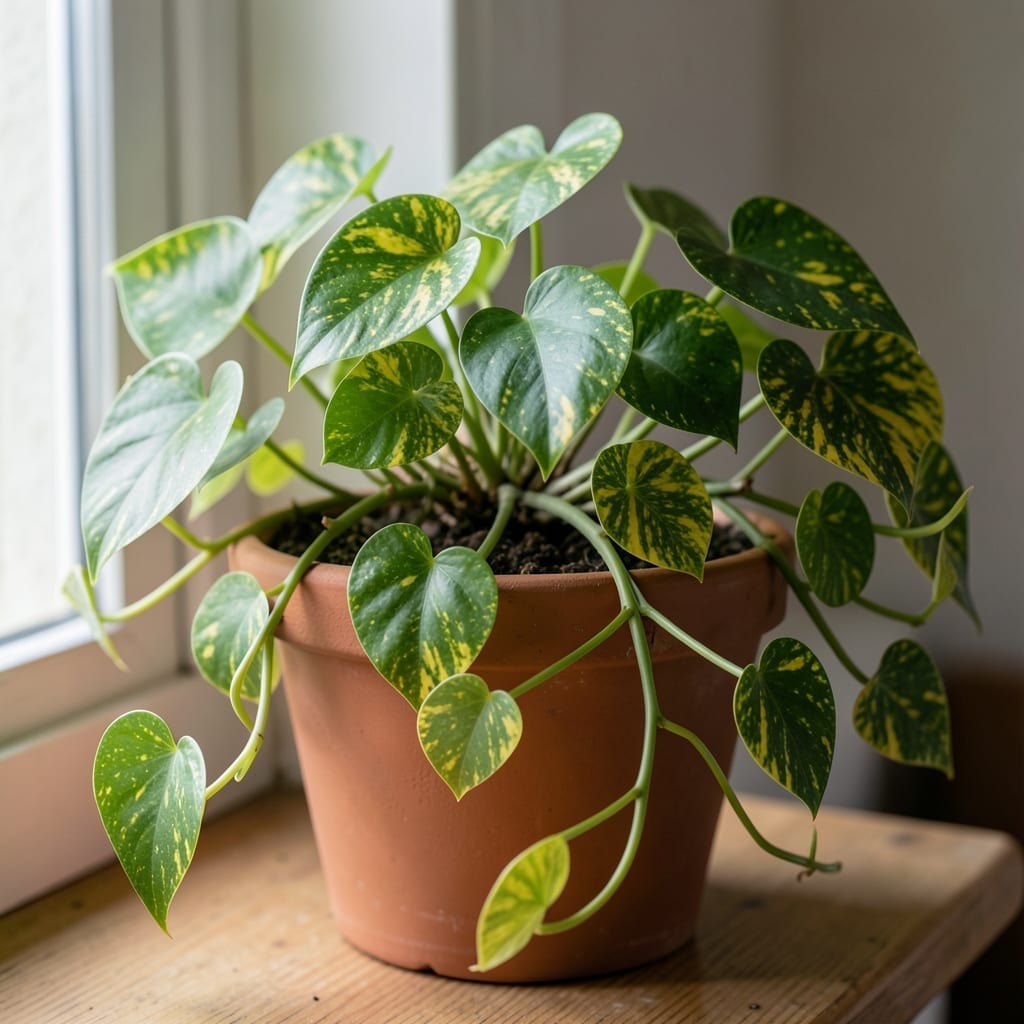
Black leaves on your pothos aren’t just ugly—they’re a red flag. I’ve nursed dozens back from the brink, and the fix is usually simpler than you think.
Most cases trace back to overwatering or poor drainage. The roots drown, rot sets in, and leaves turn black overnight. Sometimes it’s cold drafts or sudden temperature swings that shock the plant.
You’ll see new growth within 2-3 weeks once conditions improve. The key is acting fast—trim affected leaves, adjust your care routine, and watch for rebound.
Works for all pothos varieties, from golden to marble queen. Let’s save that plant.
When your Epipremnum aureum starts sporting inky-black leaves, the culprit is almost always stress—usually from water, temperature, or nutrients. Below are the most common causes, explained in plain science so you can diagnose fast.
Excess water suffocates the roots, cutting off oxygen. Without air, root cells die and rot sets in. The rot spreads upward through the stem, blocking the plant’s vascular system (xylem and phloem). Starved of water and nutrients, leaf tissue collapses and turns black. Check: soggy soil, foul smell, or mushy roots.
Pothos thrives at 65–85 °F. A sudden drop below 50 °F disrupts cell membranes. Ice crystals form inside leaf cells, rupturing them. The damaged tissue dies and blackens, often overnight. Common triggers: AC vents, open windows in winter, or shipping stress.
Too much salt (from synthetic fertilizers) raises the soil’s osmotic pressure. Roots can’t absorb water, leading to drought-like stress even in moist soil. The leaf tips and edges scorch and blacken first. Always dilute fertilizer to half-strength for pothos.
Pathogens like Phytophthora or Pseudomonas invade wounded or waterlogged roots. They clog vascular tissues, blocking sap flow. Infected leaves wilt, yellow, then turn black. Look for dark, spreading lesions on stems or leaves.
Tackling black leaves on your pothos starts with identifying the root cause. Below are targeted fixes for the most common issues, along with prevention tips to keep your plant thriving.
If soggy soil is the culprit, stop watering immediately and let the top 1–2 inches of soil dry out. Repot the plant in fresh, well-draining soil if root rot is present. Use a pot with drainage holes and a moisture meter to avoid guesswork. Prevention tip: Water only when the soil feels dry to the touch. 💡
Move your pothos to a brighter spot with indirect sunlight, like near an east-facing window. If natural light is limited, supplement with a grow light for 6–8 hours daily. Prevention tip: Rotate the plant occasionally for even light exposure. ✨
Keep your pothos in a room with temperatures between 65–85°F (18–29°C). Avoid drafts from vents, fans, or cold windows. If the air is too dry, use a humidifier or place the pot on a pebble tray with water. Prevention tip: Monitor temperature fluctuations with a simple thermometer. 🌡️
Prune affected leaves with sterilized scissors and apply a copper fungicide or neem oil solution. Isolate the plant to prevent spreading. Improve airflow around the plant and avoid wetting the leaves during watering. Prevention tip: Clean tools and pots regularly to prevent reinfection. 🎯
If over-fertilizing is the issue, flush the soil with water to remove excess salts. Switch to a balanced, diluted fertilizer and follow the recommended dosage. Prevention tip: Fertilize only during the growing season (spring and summer) and reduce frequency in fall and winter. 🌱
No, once leaves turn black, the damage is permanent. Trim them off to help the plant focus energy on healthy growth. New leaves will replace the old ones in 2-3 weeks with proper care.
Water only when the top 1-2 inches of soil are dry. Typically, this means every 7-10 days, but adjust based on your home’s humidity and light conditions.
Misting can help, but avoid overdoing it. Excess moisture on leaves can encourage fungal growth. Use room-temperature water and mist in the morning so leaves dry quickly.
Repotting shock or overwatering after the move are common culprits. Give it 1-2 weeks to adjust, and keep the soil lightly moist, not soggy.