
Beautiful Plants For Your Interior
Beautiful Plants For Your Interior
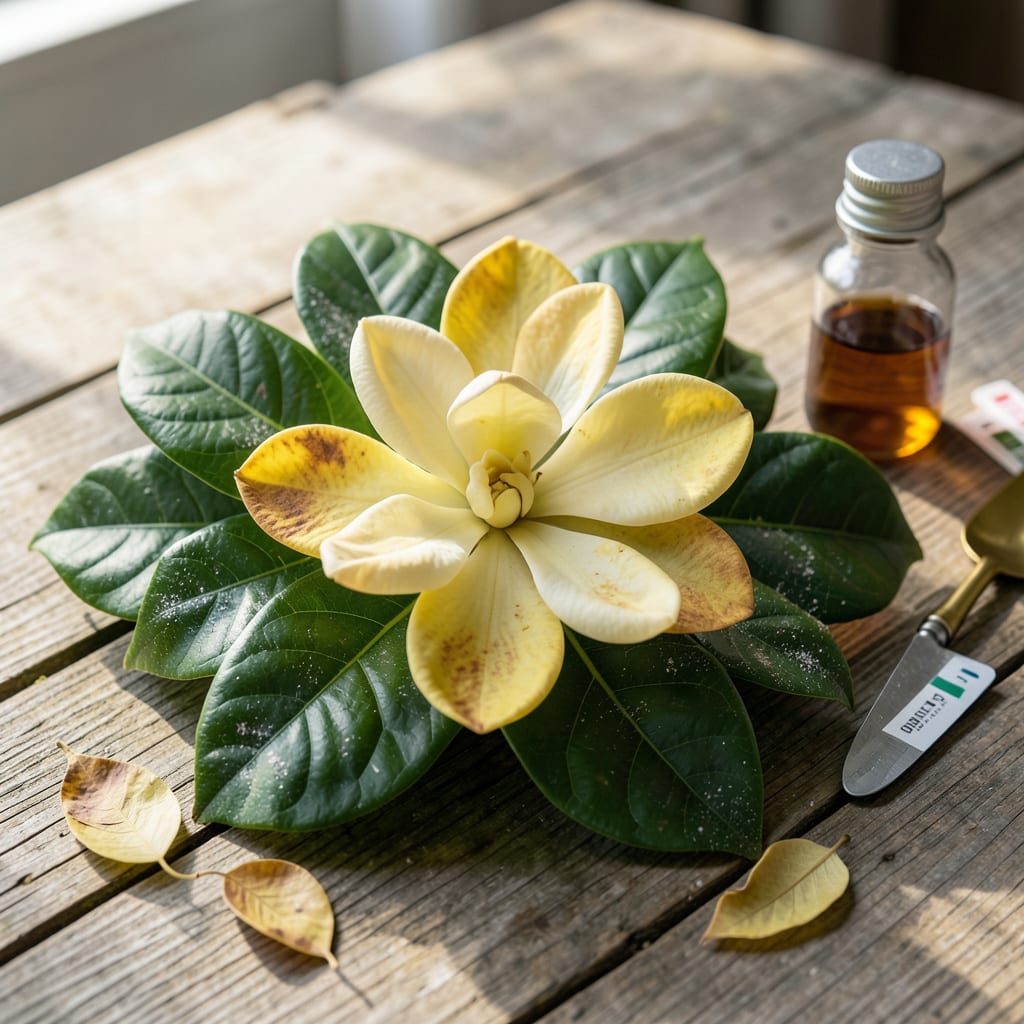
Yellow gardenia leaves hit me like a gut punch last summer. I’d babied that plant for months, only to watch the vibrant green fade to sickly yellow from the bottom up.
The culprit usually isn’t dramatic—it’s too much love or not enough of the right kind. Overwatering, nutrient deficiencies, or even the wrong pH can throw your gardenia into distress faster than you’d think.
What follows are the exact fixes that brought my gardenia back from the brink. You’ll spot the early warning signs before the whole plant turns, and correct course in a week or two.
Works for potted gardenias, garden beds, or that finicky plant you inherited from a neighbor. Let’s get to the root of it.
Gardenia leaves turn yellow due to a few common stress factors, each with a clear biological explanation. Here’s what’s likely disrupting your plant’s vibrant green.
Yellowing often signals a lack of magnesium or iron. Magnesium is central to chlorophyll production, and without it, leaves lose their green pigment (a condition called interveinal chlorosis). Iron deficiency similarly blocks chlorophyll synthesis, first affecting younger leaves. Gardenias thrive in acidic soil (pH 5.0–6.0)—if the pH drifts higher, these nutrients become locked in the soil, unavailable to roots.
Too much water suffocates roots, preventing oxygen uptake and leading to root rot, which manifests as yellow, wilting leaves. Conversely, dry soil stresses the plant, reducing its ability to absorb nutrients. Gardenias prefer consistently moist but well-draining soil—check the top inch of soil before watering.
While gardenias love bright light, direct, harsh sunlight can scorch leaves, causing yellow or brown patches. On the flip side, low light weakens the plant, reducing photosynthesis and leading to uniform yellowing. Aim for bright, indirect light (e.g., morning sun with afternoon shade).
Sudden drops below 60°F (15°C) or spikes above 75°F (24°C) disrupt metabolic processes, triggering leaf yellowing. Drafts from AC vents or heaters can also stress the plant. Keep gardenias in a stable, warm environment away from cold windows or heat sources.
Once you’ve identified the cause, these practical fixes will help restore your gardenia’s vibrant green leaves. Address each issue methodically for the best results.
If soggy soil is the culprit, stop watering immediately and let the top 1-2 inches of soil dry out. Repot the plant in fresh, well-draining potting mix (add perlite or coarse sand for aeration). Ensure the pot has drainage holes to prevent waterlogging. Prevention tip: Water only when the topsoil feels dry, and use a moisture meter for accuracy. 🌡️
Yellow leaves often signal a lack of iron, magnesium, or nitrogen. Apply a balanced, acid-forming fertilizer (like one for azaleas) every 4-6 weeks during growing season. For iron deficiency (yellowing between veins), use chelated iron spray or soil drench. Prevention tip: Test soil pH (gardenia thrive in 5.0–6.0) and amend with sulfur or peat moss if it’s too alkaline. ✨
Move your gardenia to a spot with bright, indirect light (east or west-facing windows are ideal). If growing outdoors, provide dappled shade, especially in hot afternoons. Prevention tip: Rotate the plant weekly for even light exposure and avoid deep shade. 🎯
Inspect leaves for spider mites, scale, or aphids. Wipe leaves with neem oil or insecticidal soap, focusing on undersides. For severe cases, use horticultural oil. Prevention tip: Mist leaves regularly to deter pests and isolate new plants for 2-3 weeks before introducing them to others. 💡
Gardenia leaves yellow if exposed to drafts or extreme temps. Keep them in 65–75°F (18–24°C) during the day and above 60°F (15°C) at night. Avoid placement near AC vents or heaters. Prevention tip: Use a humidity tray or room humidifier to maintain 50–60% humidity. 🌿
Overwatering causes yellowing with mushy stems and soggy soil. Deficiencies show as yellow between veins or overall pale leaves. Check soil moisture first—if it’s waterlogged, it’s likely overwatering.
Adjust watering first—let soil dry slightly between waterings. Then add chelated iron for quick green-up if deficiency is the issue. Results often appear in 1-2 weeks.
Severely yellow leaves usually won’t recover, but fixing the cause saves the rest. Focus on new growth—healthy green leaves will replace the old ones over 4-6 weeks.
