
Beautiful Plants For Your Interior
Beautiful Plants For Your Interior
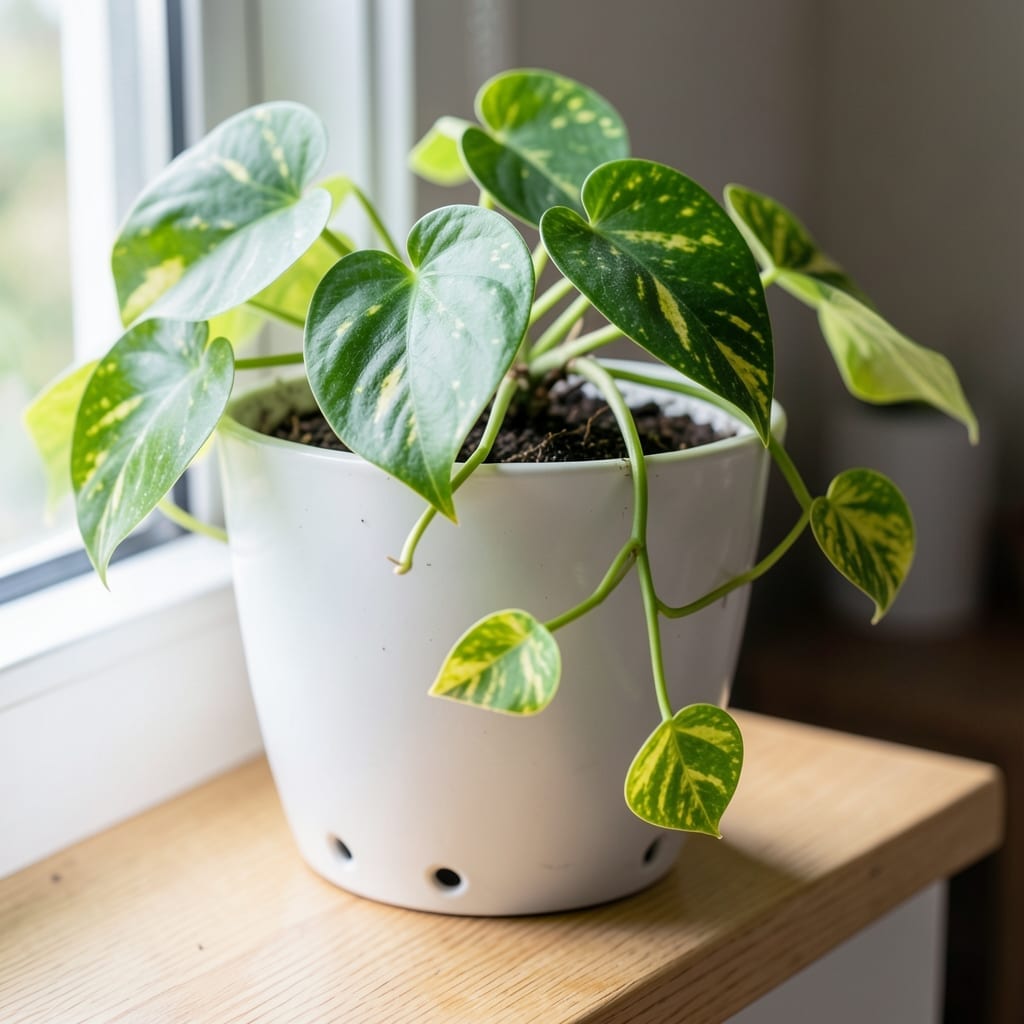
Those crispy, curling edges on your pothos aren’t just unsightly—they’re a cry for help. I’ve seen this hundreds of times, and underwatering is usually the culprit behind those sad, shriveled leaves.
Here’s the thing—pothos are tough, but they have limits. When the soil stays dry for too long, leaves curl inward to conserve moisture. The good news? This plant bounces back fast once you get the watering right.
You’ll notice the difference within 24-48 hours of consistent care. New growth returns to its glossy, flat self, and your plant regains that signature trailing beauty.
Fair warning: don’t overcorrect with too much water. Balance is key, and I’ll show you exactly how to hit it.
Pothos leaves curl primarily due to stress from environmental or care-related factors. Here are the most common causes, explained with actionable insights:
When soil moisture drops too low, pothos leaves lose turgor pressure (the internal water pressure that keeps them rigid). Cells shrink, causing edges to curl inward to minimize surface area and reduce water loss. Check soil 1–2 inches deep—if dry, it’s time to water.
Exposure to drafts (below 50°F) or heat sources (above 90°F) disrupts cellular function. Leaves curl to protect sensitive tissues from extreme temperatures. Keep pothos in stable environments (65–85°F) and away from vents or radiators.
Pothos thrive in 40–60% humidity. Dry air accelerates transpiration, leading to dehydration. Leaves curl to conserve moisture. Use a humidifier or pebble tray to restore ideal conditions.
Excess salts from fertilizer build up in soil, damaging roots and impairing water uptake. The resulting nutrient imbalance causes leaf edges to curl. Flush soil with water monthly to prevent salt accumulation.
Spider mites or aphids sap plant fluids, weakening leaves. Curling occurs as a defensive response to stress. Inspect undersides of leaves and treat with neem oil if pests are present.
Tackle curling pothos leaves with these targeted fixes for each underlying cause:
Soak the plant in room-temperature water for 10–15 minutes until the soil is fully saturated. Let excess water drain, then place it in a spot with bright, indirect light. Water when the top 1–2 inches of soil feel dry. Prevention tip: 💡 Use a moisture meter or stick your finger in the soil to check dryness before watering.
Move your pothos to a location with gentler light, like an east-facing window or a few feet away from a bright window. If using grow lights, increase the distance or reduce exposure time. Prevention tip: ✨ Rotate the plant weekly for even light distribution and monitor leaf response.
Keep your pothos in a room with temperatures between 65–85°F (18–29°C). Avoid cold drafts, AC vents, or heaters. If outdoors, bring it inside when temps drop below 50°F (10°C). Prevention tip: 🌡️ Use a thermometer to track temperature fluctuations near the plant.
Wipe leaves with a soap-water solution (1 tsp mild soap per liter of water) to remove pests like spider mites or mealybugs. For stubborn infestations, use neem oil or insecticidal soap. Repeat every 5–7 days until pests are gone. Prevention tip: 🎯 Inspect new plants before bringing them home and quarantine if needed.
If roots are circling or poking out of drainage holes, repot into a container 1–2 inches larger with fresh, well-draining potting mix. Loosen the root ball gently to encourage new growth. Prevention tip: 🌱 Repot every 12–18 months or when growth slows.
Water when the top 1-2 inches of soil feel dry. Typically, this means every 1-2 weeks, but it varies based on light and humidity. Always check the soil first to avoid overwatering.
Yes, if the cause is addressed quickly. New growth will appear normal within 1-2 weeks. Severely damaged leaves may not fully uncurl but new ones will grow healthy.
Repotting can cause temporary stress. Leaves may curl for 2-3 days as the plant adjusts. Keep it in stable conditions and avoid fertilizing immediately after repotting.
Misting provides temporary humidity but isn’t a long-term fix. For better results, use a pebble tray or humidifier to maintain 40-60% humidity around your plant.