
Beautiful Plants For Your Interior
Beautiful Plants For Your Interior
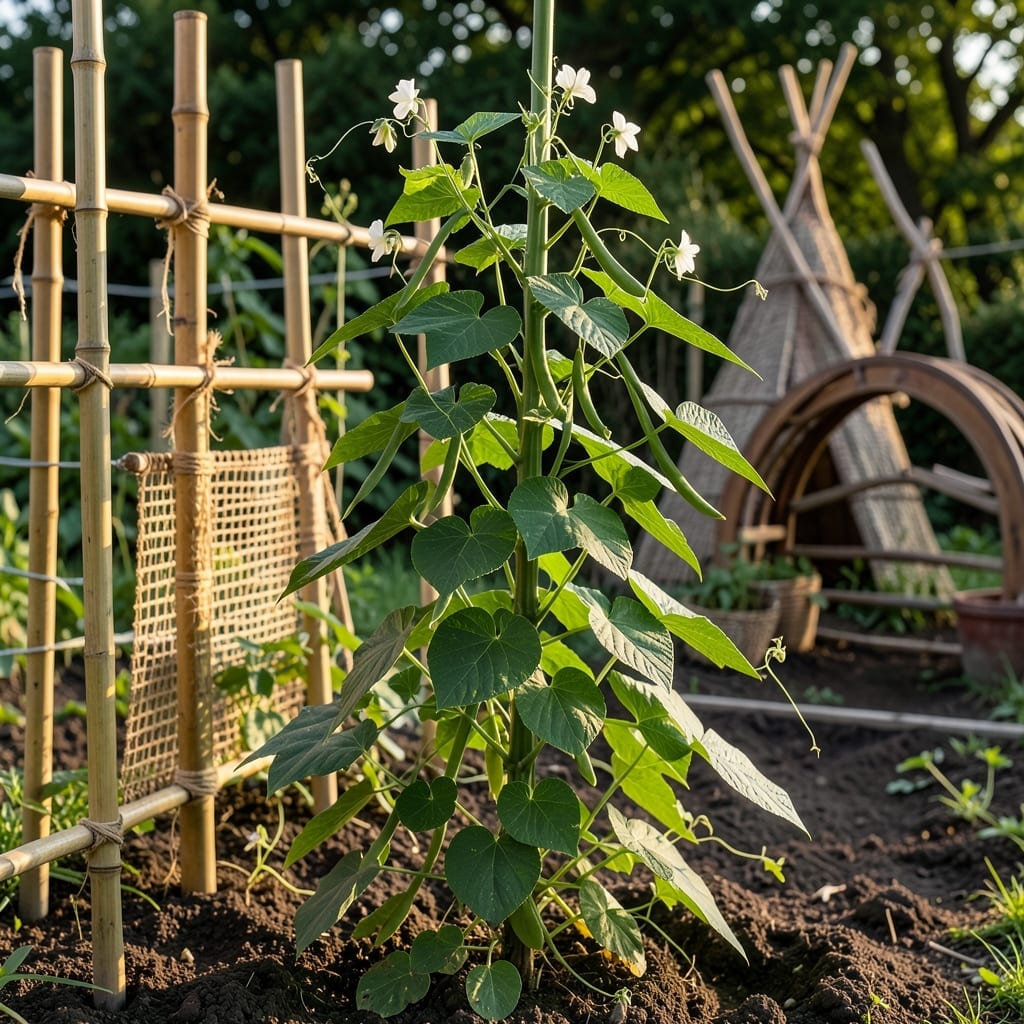
Vertical growth changed my bean game completely. Pole beans climb naturally, but without proper support, they sprawl, tangle, and underproduce.
I’ve tested everything from bamboo tepees to cattle panels, and the best systems share three traits: sturdy, tall, and easy to access for harvesting. DIY trellises cost under $20 and outperform flimsy store-bought options every time.
By midseason, vines reach 6-8 feet with heavy pods hanging every few inches. The right structure prevents rot, improves air flow, and makes picking a breeze instead of a backache.
Whether you have a small balcony or a full garden row, there’s a perfect support that fits your space and style. Here’s what actually works.
Understanding why pole beans fail to thrive without support starts with recognizing their natural growth habits and environmental needs. These climbing plants are genetically programmed to seek upward structures, but when left unsupported, they succumb to specific biological and ecological pressures. Below are the primary causes, explained with actionable insights.
Pole beans (Phaseolus vulgaris) are indeterminate vines, meaning they grow continuously until frost or disease halts them. Their tendrils naturally coil around vertical surfaces to access sunlight and airflow. Without a trellis or stake, vines sprawl horizontally, leading to tangled, weak stems that break under their own weight or fruit load. This behavior is hardwired—support is non-negotiable for healthy growth.
When vines lie on damp soil, foliar diseases like white mold or rust thrive in the stagnant, humid microclimate. Poor air circulation also slows evaporation, increasing fungal spores’ survival. Vertical support elevates leaves, reducing contact with soil-borne pathogens and promoting faster drying after rain or irrigation.
Sprawling vines create a dense canopy that shades lower leaves, reducing photosynthesis efficiency. Pole beans need 6–8 hours of direct sunlight daily to produce abundant pods. Without vertical guidance, lower leaves yellow and drop prematurely, stunting yield. A trellis ensures all foliage receives optimal light exposure.
Horizontal growth forces roots to support extra stem length, diverting energy from pod production. In crowded beds, vines compete for nutrients and water, leading to stunted growth and smaller harvests. Vertical gardening concentrates resources upward, where the plant’s energy is best spent on fruiting.
When your pole beans aren’t climbing properly, the fix often starts with adjusting or reinforcing their support. Below are targeted solutions for common issues, paired with prevention tips to keep your vertical garden thriving. 🌱
Fix: Replace flimsy stakes or strings with sturdier materials like bamboo poles, cattle panels, or wooden trellises. For existing setups, add diagonal braces or tie supports to a fence for extra stability. Use soft plant ties (not wire) to secure vines without damaging stems.
Prevent: Install supports at planting time—waiting until vines are heavy makes fixes trickier. Space poles no more than 4–6 inches apart for small varieties, 8–12 inches for larger ones.
Fix: Gently weave young tendrils around the support to guide them. If vines are stubborn, use twist ties or cloth strips to loosely fasten them until they take hold. Mist the support with water to encourage tendrils to cling.
Prevent: Choose supports with rough or textured surfaces (like jute netting or unpeeled branches) that vines can grip easily. Avoid slick materials like plastic or painted wood.
Fix: Thin out excess vines by pruning the weakest shoots at the base. For tangled messes, carefully untwist stems and redirect them upward. Trim side shoots that stray too far from the main support.
Prevent: Plant seeds 6–8 inches apart and train vines early. Use a fan or teepee trellis to give each plant its own climbing path.
Use 3-4 bamboo stakes tied together at the top in a teepee shape. It’s sturdy, cheap, and easy to set up in under 10 minutes.
Aim for at least 6-8 feet high. Pole beans are vigorous climbers and will reach the top quickly, so taller supports prevent vines from flopping over.
Yes, if it’s at least 6 feet tall with gaps for tendrils to grab. Add string or netting if the fence is solid, as vines need something to cling to.
Cattle panels or metal mesh last for years and handle heavy vines. They’re pricier upfront but outlast wooden options.