
Beautiful Plants For Your Interior
Beautiful Plants For Your Interior
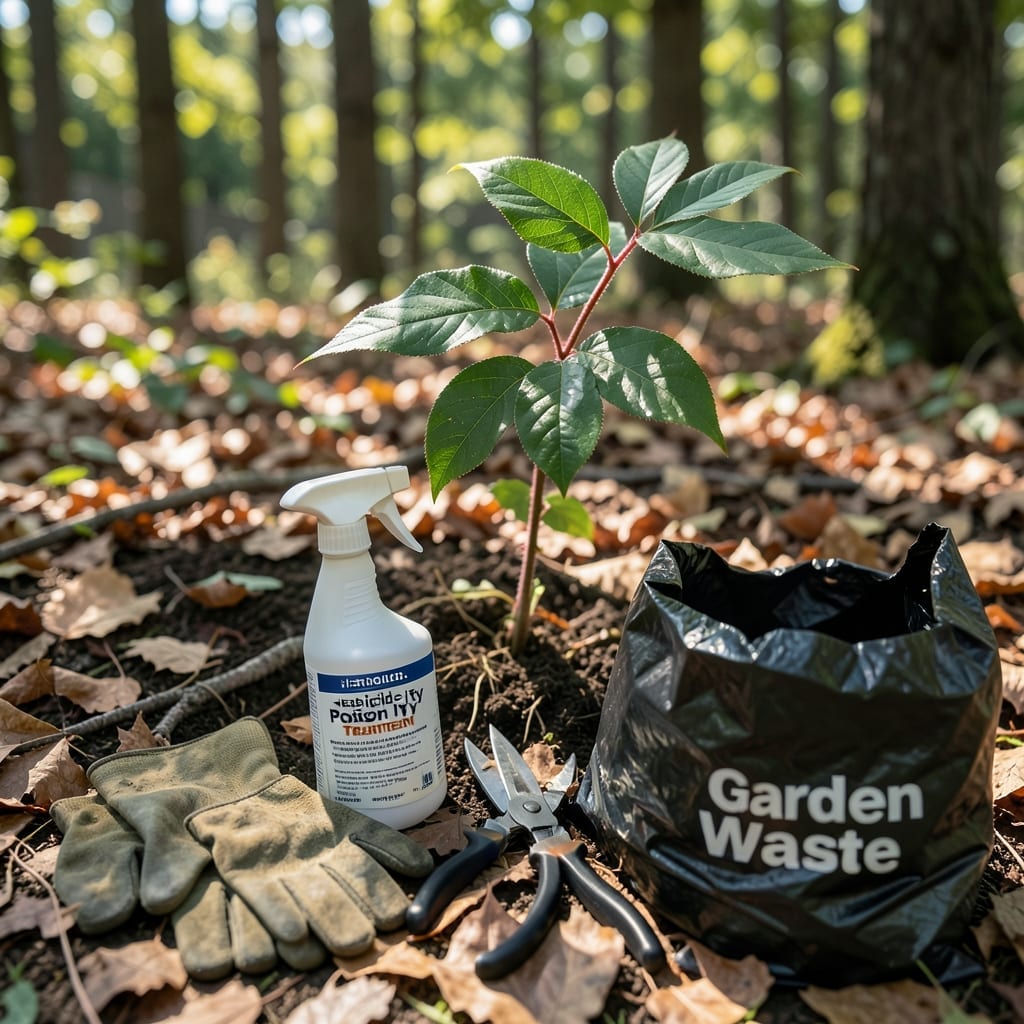
That three-leaf menace can turn your yard into a no-go zone. I’ve battled poison ivy in every corner of my property and learned the hard way that identification is your first defense.
Safe removal isn’t about brute force—it’s about strategy. Gloves, long sleeves, and the right technique prevent rashes while actually solving the problem. The vines come back aggressively if you don’t get the roots.
Prevention starts with vigilance. Regular yard checks, proper disposal of pulled plants, and creating barriers stop new growth before it takes over. A little attention now saves weeks of discomfort later.
Whether you prefer natural solutions or targeted treatments, the key is consistency. One thorough removal session won’t cut it—this plant demands respect and persistence.
Poison ivy thrives in yards for several key reasons, often tied to environmental conditions and human activity. Understanding these causes helps you tackle the root of the problem effectively.
Poison ivy (Toxicodendron radicans) flourishes in disturbed soils, particularly those with moderate moisture and good drainage. It tolerates a wide range of light conditions, from full sun to deep shade, making it highly adaptable. This resilience allows it to outcompete other plants in neglected or poorly maintained areas of your yard.
Construction, landscaping, or even regular lawn care can unintentionally create perfect habitats for poison ivy. Clearing land or moving soil exposes seeds buried in the ground, giving them the light and space they need to germinate. Additionally, poison ivy often spreads along fences, walls, or garden edges where human activity disrupts the natural ecosystem.
Birds and small mammals consume poison ivy berries and excrete the seeds in new locations. This natural dispersal method means the plant can pop up far from its original site. If your yard has bird feeders or wooded areas nearby, seeds may be deposited unintentionally, leading to new growth.
In yards with sparse vegetation or thin lawns, poison ivy faces little competition for resources. It quickly takes over bare spots, especially if the soil is rich in organic matter. Regular mowing and dense plantings of grass or ground covers can help suppress its growth by limiting available space.
Dealing with poison ivy in your yard requires a mix of removal and prevention. Here’s how to tackle the most common issues:
If poison ivy is creeping into your flower beds or vegetable patches, pull it by hand (wearing gloves and long sleeves!) or smother it with thick cardboard topped with mulch. For stubborn roots, apply a targeted vinegar-based herbicide (1 gallon vinegar + 1 cup salt + 1 tbsp dish soap). Prevent regrowth by laying landscape fabric before replanting.
Poison ivy loves climbing structures. Cut vines at the base and treat the stumps with herbicide to kill the roots. For brick or wood surfaces, scrub with soapy water to remove lingering oils (which can cause rashes). Prevention tip: Install a metal or plastic barrier at the base of fences to block new growth.
💡 Pro tip: Check for vines weekly in spring and summer—they spread fast!
For scattered patches, mow high (3–4 inches) to weaken plants, then spot-treat with herbicide. In wooded areas, clear leaf litter where poison ivy thrives. Prevent future outbreaks by planting dense ground covers like creeping thyme or clover to crowd it out.
After working in the yard, wash tools, gloves, and clothing with soap and water—urushiol oil (the rash culprit) can linger. Shower immediately if you suspect contact. Prevention: Wear long sleeves, pants, and closed-toe shoes when gardening in infested areas.
Consistency is key! Recheck treated areas monthly and act fast at the first sign of new growth.
Look for clusters of 3 pointed leaflets with smooth or slightly toothed edges. The plant often has a reddish stem and may grow as a vine or low shrub. Remember: “Leaves of three, let it be” is a helpful rule of thumb.
Never burn poison ivy! The smoke carries urushiol oil, which can cause severe lung irritation or rashes if inhaled. Always dispose of pulled plants in sealed bags.
Vinegar-based solutions may show results in 1-2 weeks, while commercial herbicides can take 2-4 weeks for full effect. Persistence is key—reapply as needed.
Yes! Pets can carry urushiol oil on their fur. Wash them with soap and water if they’ve been in infested areas to prevent spreading.