
Beautiful Plants For Your Interior
Beautiful Plants For Your Interior
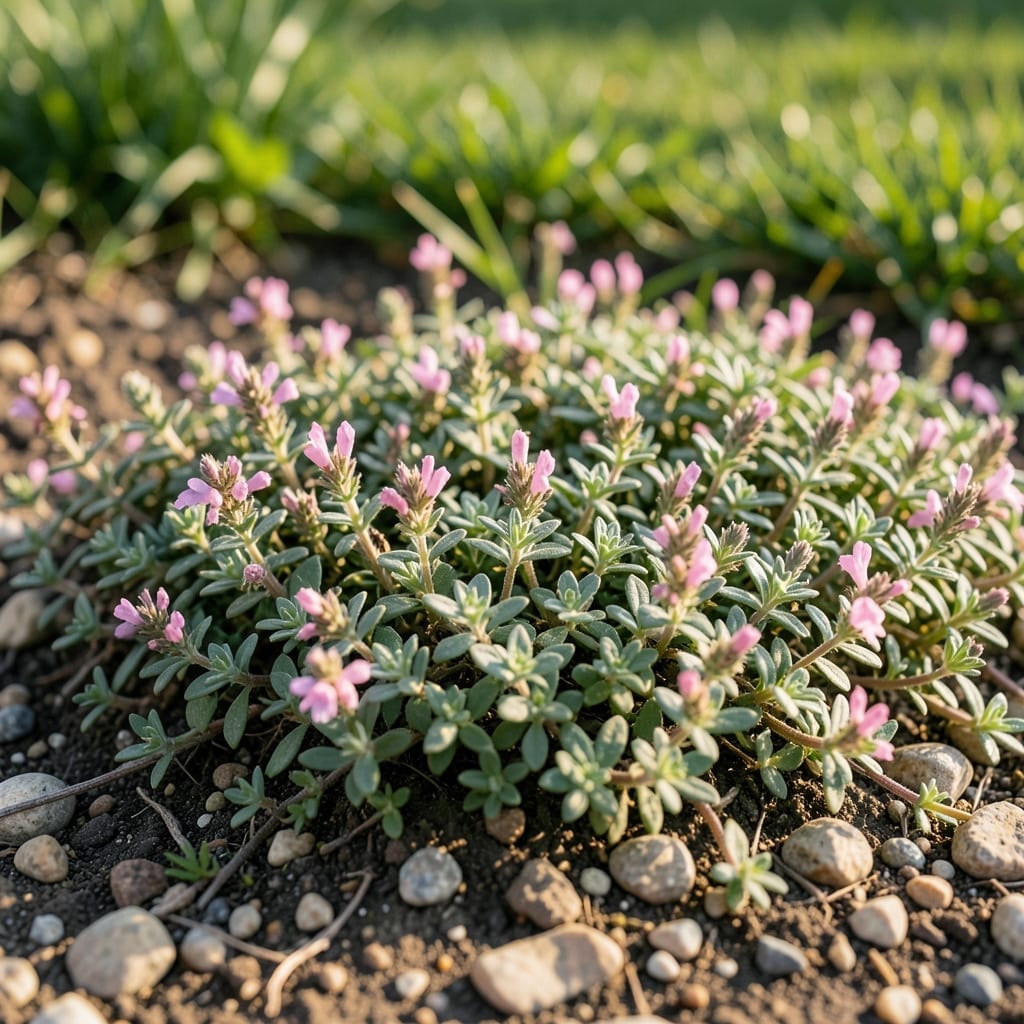
Creeping thyme is a versatile ground cover that thrives in the right light conditions—but does it prefer sun or shade? The answer determines whether this fragrant, low-maintenance 🌿 plant will carpet your garden in lush green.
I’ve seen it flourish in full sun, spreading rapidly with vibrant blooms. Yet, it can also tolerate partial shade, though with different results. Understanding its needs is key to success.
Let me walk you through exactly how much light Creeping Thyme needs and what to expect in varying conditions.
 Best Window Placement
If you want lush creeping thyme that spreads fast and blooms beautifully, full sun is your best bet. I’ve found it thrives with 6+ hours of direct sunlight daily. This herb is a sun-worshipper at heart.
In my garden, creeping thyme in full sun develops dense foliage and produces abundant flowers. The fragrance is also stronger, making it perfect for pathways where you’ll brush against it.
| Light Condition | Growth Impact | Flowering |
|---|---|---|
| Full Sun (6+ hours) | Fast spread, dense mat | Abundant blooms |
| Partial Shade (4-6 hours) | Moderate spread, thinner | Fewer blooms |
| Full Shade (<4 hours) | Slow growth, sparse | Rare blooms |
For optimal growth, I recommend planting creeping thyme in south-facing or west-facing areas. These spots get the most consistent sunlight. The plant’s drought tolerance also improves in sunnier locations.
In hotter climates like USDA zones 8-10, a bit of afternoon shade can prevent scorching. But in cooler zones, like 4-6, full sun is non-negotiable for vigorous growth.
The best time to plant is early spring or early fall. This gives roots time to establish before extreme heat or cold. I’ve had great success with March plantings in my zone 7 garden.
If you’re using creeping thyme as a ground cover, space plants 12-18 inches apart in full sun. They’ll fill in faster than you expect, creating a fragrant green carpet within a season.
Remember, even in ideal sun, well-draining soil is crucial. Creeping thyme hates wet feet. I always amend heavy clay with sand or compost before planting.
For containers, place pots where they’ll get at least 6 hours of sun. A south-facing balcony or patio works perfectly. Just ensure the container has drainage holes to prevent root rot.
In partial shade, expect slower growth and fewer flowers. But don’t worry—creeping thyme will still form a decent mat, just less densely. It’s a great option for edges of wooded areas or under taller plants.
☀️While creeping thyme prefers full sun, it can survive in partial shade. I’ve grown it under trees with 4-6 hours of dappled light, and it still forms a decent mat.
The trade-off is noticeable though. In shade, expect slower growth, thinner foliage, and fewer flowers. The fragrance may also be less intense compared to sun-grown plants.
🌱 Key Insight: Creeping thyme tolerates partial shade but thrives in 6+ hours of sun. Shade-grown plants may look sparse but still serve as a functional ground cover.
In my experience, morning sun with afternoon shade works best for shaded spots. This combo prevents scorching while providing enough light for steady growth.
For full shade areas, I’d recommend choosing a different ground cover. Creeping thyme struggles with <4 hours of light, often growing patchy and weak.
If you must plant in shade, improve conditions by pruning nearby trees to allow more light. Also, ensure excellent drainage as shade can keep soil too moist.
I’ve had success pairing creeping thyme with hostas or ferns in partially shaded borders. The contrast in textures creates a beautiful, low-maintenance garden feature.
🌿