
Beautiful Plants For Your Interior
Beautiful Plants For Your Interior
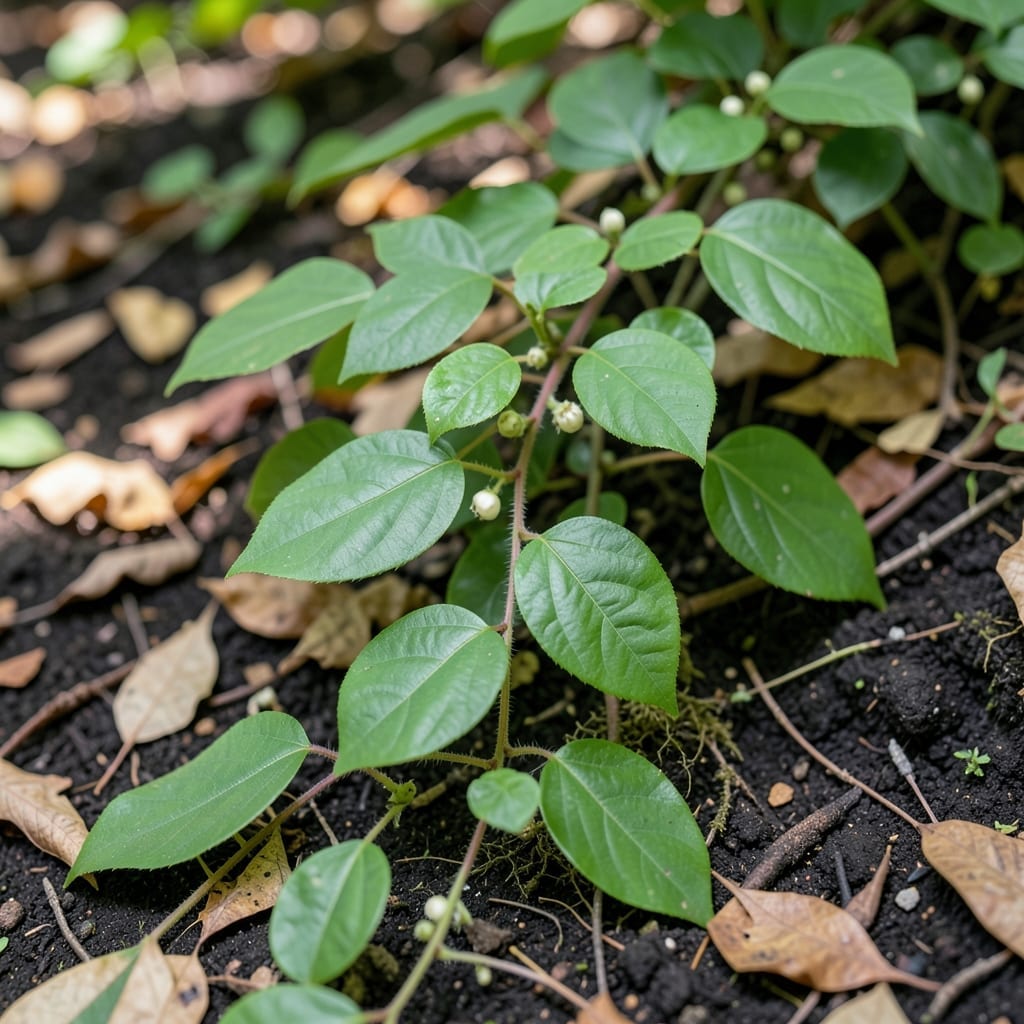
That itchy red rash on your hip isn’t just annoying—it’s your skin sounding the alarm. I’ve dealt with poison ivy more times than I care to admit, and the first rule is always the same: act fast.
Identifying the plant is step one. Look for three glossy leaflets per stem, often with a reddish tint. The oils stick to everything, so wash clothes, tools, and skin immediately with soap and cool water.
For the rash, cool compresses and calamine lotion bring relief while your skin heals. Don’t scratch—it spreads the oils and can cause infection. Most cases clear up in 1-3 weeks.
Prevention starts with learning what poison ivy looks like in every season. Wear long sleeves and gloves when working in brushy areas, and keep a bottle of soap handy for emergency washups.
Poison ivy on the hip typically occurs due to direct or indirect contact with the plant’s oil, urushiol. This oily resin is found in all parts of the poison ivy plant—leaves, stems, and roots—and triggers an allergic reaction in most people. Below are the most common ways this happens:
The most straightforward cause is brushing against the plant while hiking, gardening, or even sitting on the ground. Urushiol binds to skin within minutes, and if it touches your hip (e.g., through exposed skin or thin fabric), it can lead to a red, itchy rash. Even dead or dried poison ivy plants retain urushiol for years, making them just as hazardous.
Urushiol can stick to tools, pet fur, clothing, or outdoor gear. If you touch a contaminated surface—like a dog’s coat after a walk in the woods or a pair of gardening gloves—and then touch your hip, the oil can transfer and cause a reaction. Washing these items thoroughly with soap and water can prevent accidental exposure.
Less common but possible, burning poison ivy releases urushiol particles into the air. Inhaling the smoke can irritate your lungs, and the oil may settle on your skin, including your hip area. Always avoid burning poison ivy to prevent this type of exposure.
Sometimes, the rash appears days after contact because urushiol penetrates the skin at different rates. If you touched poison ivy elsewhere (e.g., your hands) and later touched your hip, the reaction may surface later. Promptly washing the affected area with soap and cool water can help reduce severity.
Understanding these causes can help you avoid poison ivy on your hip and take quick action if exposure occurs.
Dealing with poison ivy on the hip can be uncomfortable, but these practical solutions will help you find relief and avoid future flare-ups. Here’s how to tackle each issue effectively:
If you notice a rash or itching, act fast. Use cool water and mild soap to wash the affected area within 10–15 minutes of exposure. This removes the plant’s oil (urushiol), which causes the reaction. Avoid hot water, as it can open pores and spread the oil. Pro tip 💡: Clean under your fingernails too—urushiol can linger there and spread.
Calm the irritation with over-the-counter hydrocortisone cream or calamine lotion. For a natural approach, apply a cool compress or soak in an oatmeal bath to reduce inflammation. Oral antihistamines like Benadryl can help with persistent itching. Pro tip 🎯: Avoid scratching—it can lead to infection.
If blisters form, gently clean the area with saline solution and cover with a non-stick bandage. Let blisters drain naturally—do not pop them, as this increases infection risk. Apply antibiotic ointment if the skin breaks. Pro tip ✨: Wear loose, breathable clothing to prevent friction.
Prevention is key! Learn to identify poison ivy (remember: “Leaves of three, let it be”) and avoid brushing against plants in wooded or overgrown areas. Wear long pants and gloves when gardening or hiking. After potential exposure, wash clothes and tools with soap and water. Pro tip 🌿: Use ivy-blocking creams like bentoquatam for added protection.
With these steps, you can treat the rash and stop poison ivy from ruining your day—or your next outdoor adventure!
Most rashes clear up in 1-3 weeks with proper care. Severe cases may take longer.
No, the rash itself isn’t contagious. But the oil can transfer from surfaces or unwashed skin.
Seek medical help if the rash covers a large area, affects your face, or causes severe swelling.
Yes! It can spread oils and increase infection risk. Use calamine lotion instead.