
Beautiful Plants For Your Interior
Beautiful Plants For Your Interior
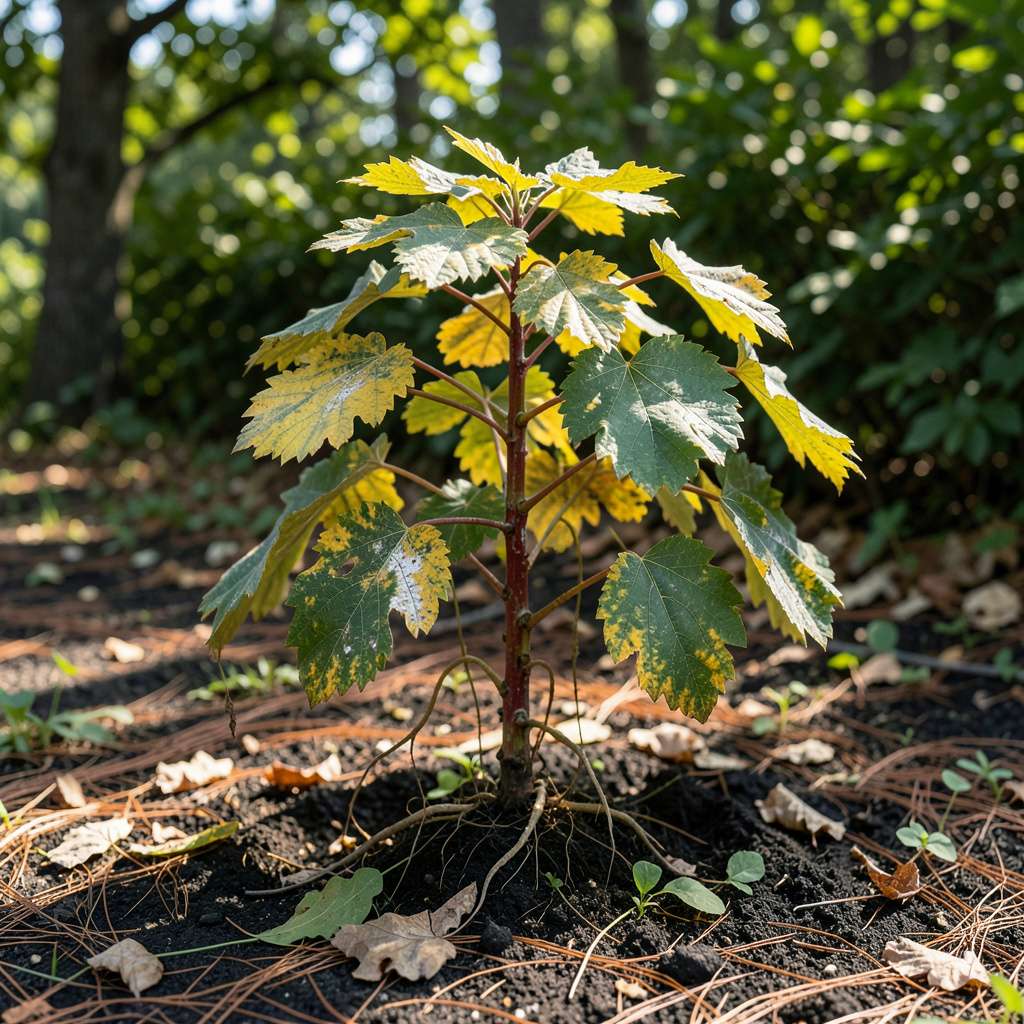
Mix 1 part bleach with 3 parts water in a spray bottle, apply directly to poison ivy leaves on a dry, windless day. Reapply weekly until plants die, but avoid skin contact and nearby desirable plants. Never use undiluted bleach or on large infestations.
I’ve found this method works because the sodium hypochlorite in bleach breaks down the plant’s protective waxy coating, causing dehydration and cell damage. 🌿 The dilution is crucial—not only does it prevent soil contamination, but it also creates a solution that’s potent enough to be effective without being overly aggressive. What many don’t realize is that this approach targets only the visible foliage, so you’ll need persistence for the roots. I always recommend spot-testing on a small area first to gauge how your specific plants will react.
💡 In This Article
The active ingredient in bleach—sodium hypochlorite—works by oxidizing the plant’s cell membranes. When applied to poison ivy leaves, it breaks down the protective cuticle layer that normally prevents water loss. This disruption causes uncontrolled water evaporation, leading to rapid dehydration.
The plant essentially loses its ability to regulate moisture, which is why you’ll often see leaves turning brown within 24-48 hours of application. 🔥
What makes this process effective is the bleach’s ability to penetrate the stomata (tiny pores on leaves) and enter the plant’s vascular system. Once inside, it interferes with chlorophyll production and photosynthesis. The 1:3 bleach-to-water ratio is critical because undiluted bleach would evaporate too quickly, while too weak a solution wouldn’t penetrate effectively.
I’ve found this concentration provides enough oxidizing power without completely sterilizing the soil.
However, bleach has significant limitations against poison ivy’s extensive root system. While it damages above-ground growth, the roots often remain viable and can resprout. This is different from systemic herbicides that translocate through the plant’s vascular system to kill roots.
Bleach only affects what it directly contacts, which is why multiple applications are necessary—typically 3-5 treatments spaced 7-10 days apart. ✨
The oxidation process also creates byproducts that can affect soil chemistry. Sodium hypochlorite breaks down into salt and oxygen, temporarily increasing soil salinity. This is why I recommend limiting bleach use to small, contained areas rather than large infestations.
For comparison, commercial herbicides contain active ingredients like glyphosate that specifically target plant enzymes without dramatically altering soil pH or salt levels.
One often overlooked factor is the plant’s growth stage. Young poison ivy leaves with thinner cuticles absorb bleach solution more effectively than mature, waxy leaves. I’ve had best results applying treatments in early morning when stomata are most open for gas exchange.
The combination of dew moisture and cooler temperatures seems to enhance absorption before the bleach evaporates in midday heat. 🌱
It’s also worth noting that bleach’s effectiveness diminishes in direct sunlight. The sodium hypochlorite degrades when exposed to UV rays, which is why I always apply it on cloudy days or in late afternoon. This degradation is actually beneficial for the environment, as it prevents long-term soil contamination.
The tradeoff is that you lose some potency, requiring more frequent applications compared to more stable chemical alternatives.
Always wear waterproof gloves, long sleeves, and pants tucked into socks. Safety goggles are essential to protect your eyes from splashes.
I also recommend working in a well-ventilated area and keeping a hose nearby for immediate rinsing if needed.
Reapply every 7-10 days until the plants die completely. Most infestations require 3-5 treatments for full control.
Early morning applications work best when stomata are open for maximum absorption.
Never use bleach near edible plants. The sodium residue can persist in soil for weeks and contaminate your produce.
For garden areas, try vinegar-based sprays or manual removal instead.
Neutralize with baking soda until fizzing stops, then dilute with water before disposal. Never pour bleach down drains or onto bare soil.
Triple-rinse empty containers and dispose with household hazardous waste.
Young leaves have thinner cuticles, allowing better absorption of the bleach solution. Mature leaves have a waxy coating that resists penetration.
Spring treatments are most effective when new growth appears.
