
Beautiful Plants For Your Interior
Beautiful Plants For Your Interior
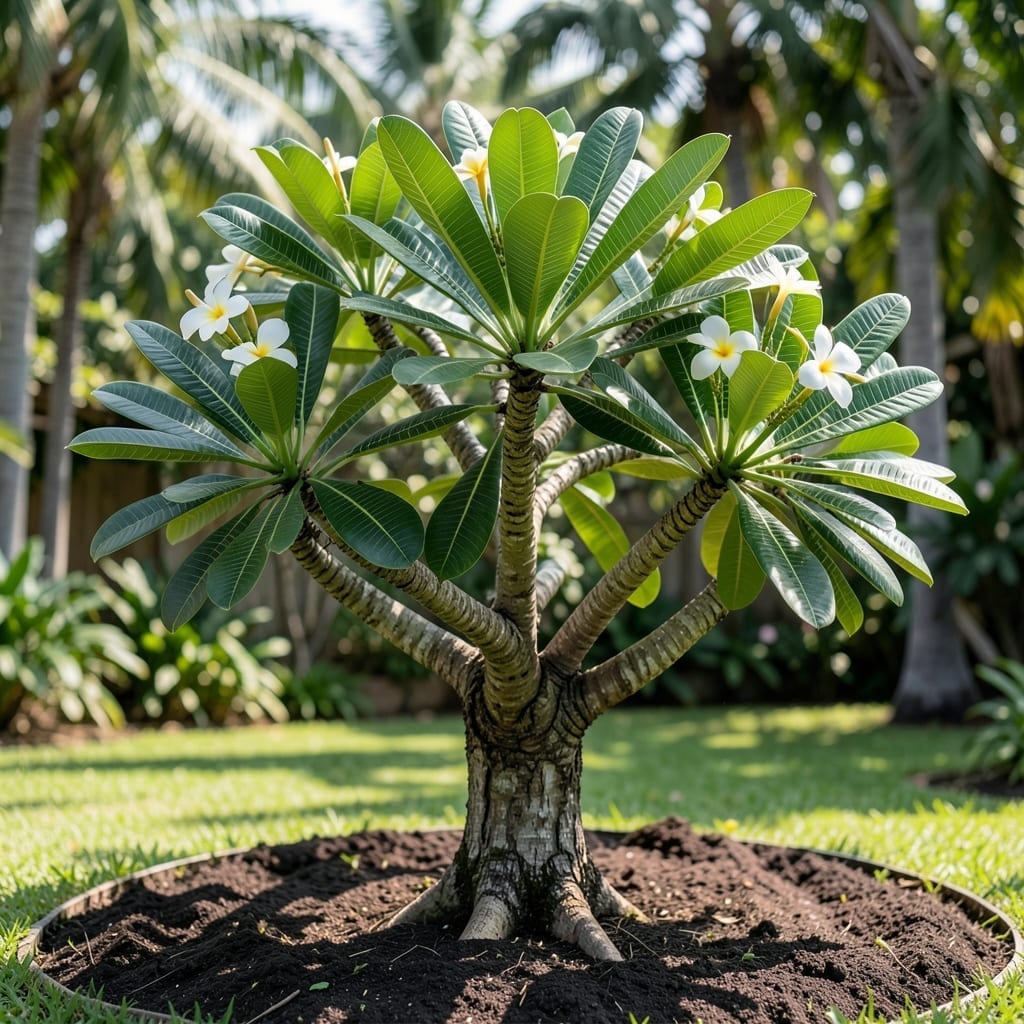
Black leaves on your plumeria aren’t just unsightly—they’re a cry for help. I’ve seen this happen to mine after a sudden temperature drop, and the fix starts with pinpointing the stressor before it spreads.
Overwatering, fungal infections, or even frost damage can turn those vibrant green leaves black overnight. The good news? Most causes are reversible if you act fast. Prune the damaged leaves first, then adjust care based on what you find.
You’ll see new growth return within 2-3 weeks once conditions improve. The key is matching your solution to the specific issue—whether it’s drainage, airflow, or nutrient balance.
Works for potted or in-ground plumerias, tropical or temperate climates. Let’s diagnose and fix it.
Plumeria leaves turning black often signal underlying stress or disease. Understanding the root causes helps you address the issue effectively and restore your plant’s health.
Plumerias thrive in warm, stable climates (70–90°F). Sudden cold snaps below 50°F or prolonged heat above 100°F can cause cellular damage, leading to blackened, crispy leaves. Frost is especially destructive, rupturing plant cells and triggering necrosis. If your plumeria is exposed to drafts, AC vents, or unseasonal cold, move it indoors or provide protective cover immediately.
Root rot from excess moisture is a common culprit. Plumerias are drought-tolerant and hate soggy roots. When soil stays waterlogged, oxygen is deprived, and Phytophthora or Fusarium fungi thrive, attacking roots and stems. This disrupts nutrient uptake, causing leaves to blacken from the edges inward. Check drainage holes and ensure your potting mix contains perlite or sand.
Pathogens like Alternaria or Xanthomonas can cause black spots or patches on leaves, often with yellow halos. These thrive in humid, poorly ventilated conditions. Infected leaves may wilt or drop prematurely. Prune affected foliage immediately, avoid overhead watering, and apply a copper-based fungicide to prevent spread.
Excessive fertilizer, particularly high nitrogen or salt buildup, can scorch roots and leaves, turning them black. Conversely, magnesium or potassium deficiencies may cause necrotic spotting. Test your soil’s pH (ideal: 6.4–7.0) and flush excess salts with distilled water if needed. Adjust your feeding schedule to balanced, diluted nutrients during active growth.
Here’s how to address the most common causes of blackened plumeria leaves, with actionable fixes and prevention tips to keep your plant thriving.
Fix: Stop watering immediately and let the soil dry out completely. Repot the plumeria in fresh, well-draining soil (a mix of cactus/succulent soil and perlite works well). Ensure the pot has drainage holes to prevent waterlogging.
Prevention: Water only when the top 1-2 inches of soil are dry. Use a moisture meter or the finger test to check soil dampness before watering. Elevate pots to avoid standing water.
Fix: Move the plant to a shaded area for a few days to recover. If the leaves are severely damaged, prune them to redirect energy to healthy growth. Gradually reintroduce sunlight to avoid shocking the plant.
Prevention: Acclimate plumeria to direct sunlight slowly, especially if it’s been indoors or in a shaded spot. Provide afternoon shade in extreme heat (above 95°F/35°C).
Fix: Remove affected leaves with sterilized pruning shears to prevent spread. Apply a copper-based fungicide or neem oil solution to the plant, following label instructions. Improve air circulation around the plant by spacing it away from others.
Prevention: Avoid overhead watering—water at the base instead. Keep the growing area clean and free of debris. Sterilize tools between uses to prevent contamination.
Fix: If cold damage is suspected, move the plumeria indoors or to a warmer, sheltered location. Trim blackened leaves to encourage new growth once the plant is in a stable environment.
Prevention: Monitor weather forecasts and bring potted plumerias indoors before temperatures drop below 50°F (10°C). Use frost cloths for in-ground plants in colder climates.
Fix: Flush the soil with water to remove excess salts from over-fertilizing. For deficiencies, use a balanced, water-soluble fertilizer (e.g., 10-10-10) or one formulated for flowering plants. Follow package instructions for dosage.
Prevention: Fertilize lightly during the growing season (spring to fall) and reduce or stop feeding in winter. Test soil every 6-12 months to monitor nutrient levels.
Black edges usually indicate overwatering or poor drainage. The roots suffocate in soggy soil, cutting off nutrient flow to the leaves. Check your pot’s drainage holes and let the soil dry out completely before watering again.
No, once leaves turn black, the damage is irreversible. Focus on pruning affected foliage and improving growing conditions to encourage healthy new growth. Recovery typically takes 2-3 weeks.
Move potted plumerias indoors when temperatures drop below 50°F. For in-ground plants, use frost cloths or mulch heavily. Avoid placing them near drafty windows or AC vents.
Yes, copper-based fungicides are effective and safe when used as directed. Apply at the first sign of fungal spots, and always sterilize pruning tools between cuts to prevent spreading the infection.