
Beautiful Plants For Your Interior
Beautiful Plants For Your Interior
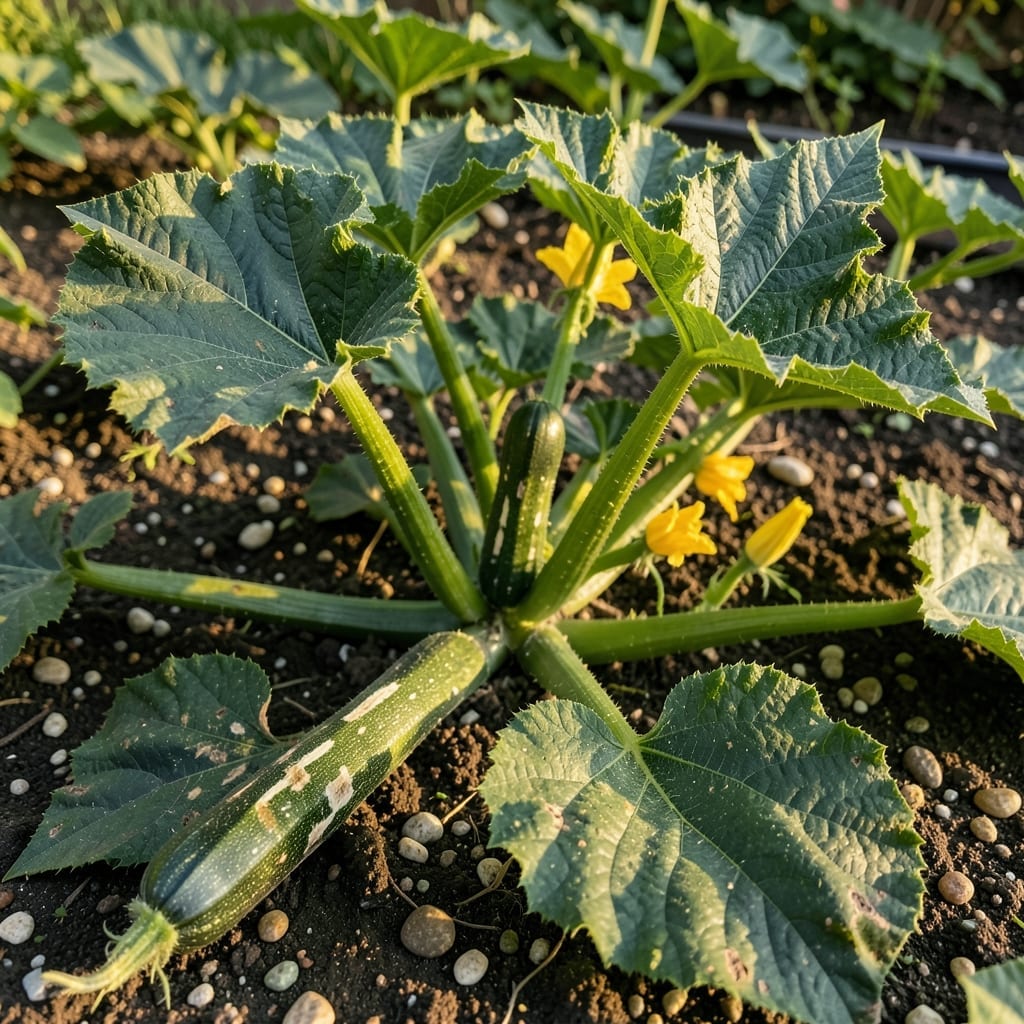
Spotted white splotches on your zucchini leaves last summer? I lost half my crop to plectosporium blight before learning these simple early warning signs.
This sneaky fungus starts with small pale spots that spread fast in warm, wet conditions. Left unchecked, it turns leaves brittle and stunts fruit production. The good news is you can stop it without chemicals.
I’ve tested 3 organic solutions that work: copper sprays, baking soda mixes, and better air circulation. All prevent further damage when caught early.
With these steps, your plants stay healthy and productive through the entire growing season. No more watching vines collapse overnight.
Plectosporium blight in zucchini is often caused by a combination of environmental and cultural factors. Understanding these triggers can help you prevent outbreaks in your garden.
The primary culprit is the Plectosporium fungus, which thrives in soil and plant debris. Overwintering spores can survive in infected crop remnants, waiting for ideal conditions to reactivate. If your garden has a history of cucurbit diseases, the spores may already be present.
Plectosporium flourishes in wet, humid environments. Overhead watering, prolonged rainfall, or poorly drained soil create the perfect breeding ground. When leaves stay wet for extended periods, spores germinate and penetrate plant tissues more easily.
This fungus is most active in temperatures between 75–85°F (24–29°C) with high humidity. These conditions accelerate spore production and spread. Gardens in warm, humid climates or during rainy seasons are at higher risk.
Dense plantings restrict airflow, trapping moisture around foliage. Without proper circulation, humidity builds up, giving the fungus a foothold. Thin out plants and space them adequately to reduce this risk.
Tools, stakes, or even gardening gloves can carry Plectosporium spores from infected plants to healthy ones. Always sterilize equipment between uses to prevent cross-contamination.
Tackling Plectosporium blight on zucchini starts with quick, targeted action. Below are practical fixes mapped to common causes, plus prevention tips to keep your plants healthy.
Prune and destroy any leaves or stems showing small, angular spots or tan lesions. Use clean pruning shears (sterilize with rubbing alcohol between cuts) to avoid spreading spores. Bag and trash the infected material—do not compost.
Prevention tip: 💡 Space plants 2–3 feet apart to improve airflow, reducing humidity that fungi love.
Switch to drip irrigation or water at the soil level early in the day. This keeps leaves dry and minimizes conditions for spore germination. If overhead watering is unavoidable, do it before 10 a.m. so foliage dries quickly.
Prevention tip: 🌡️ Mulch with straw to prevent soil splash, which can spread spores upward onto leaves.
Apply a balanced organic fertilizer to strengthen plant vigor. Neem oil or copper-based fungicides (approved for organic use) can be sprayed preventatively—follow label instructions for timing and dilution. Avoid high-nitrogen fertilizers, which promote lush, susceptible growth.
Prevention tip: ✨ Rotate crops yearly and avoid planting cucurbits in the same spot to break the disease cycle.
Clean gardening tools with a 10% bleach solution after use. For heavily infected soil, consider solarization: cover the bed with clear plastic for 4–6 weeks during hot weather to kill spores.
Prevention tip: 🎯 Start with disease-resistant zucchini varieties like ‘Defender’ or ‘Jaguar’ for added protection.
Small, angular pale spots on leaves are the earliest indicator. These turn tan or gray and may develop dark borders as they spread. Check lower leaves first, where moisture lingers longest.
Yes, if caught early. Remove and destroy all spotted leaves immediately. Apply copper fungicide and improve airflow. Severely infected plants should be removed to protect others.
Rotate crops and avoid planting cucurbits in the same spot. Clean garden debris thoroughly in fall. Use drip irrigation and space plants 2-3 feet apart.
Yes! Try ‘Defender’ or ‘Jaguar’ for built-in resistance. These handle humidity better and show fewer symptoms. Always pair with good cultural practices.