
Beautiful Plants For Your Interior
Beautiful Plants For Your Interior
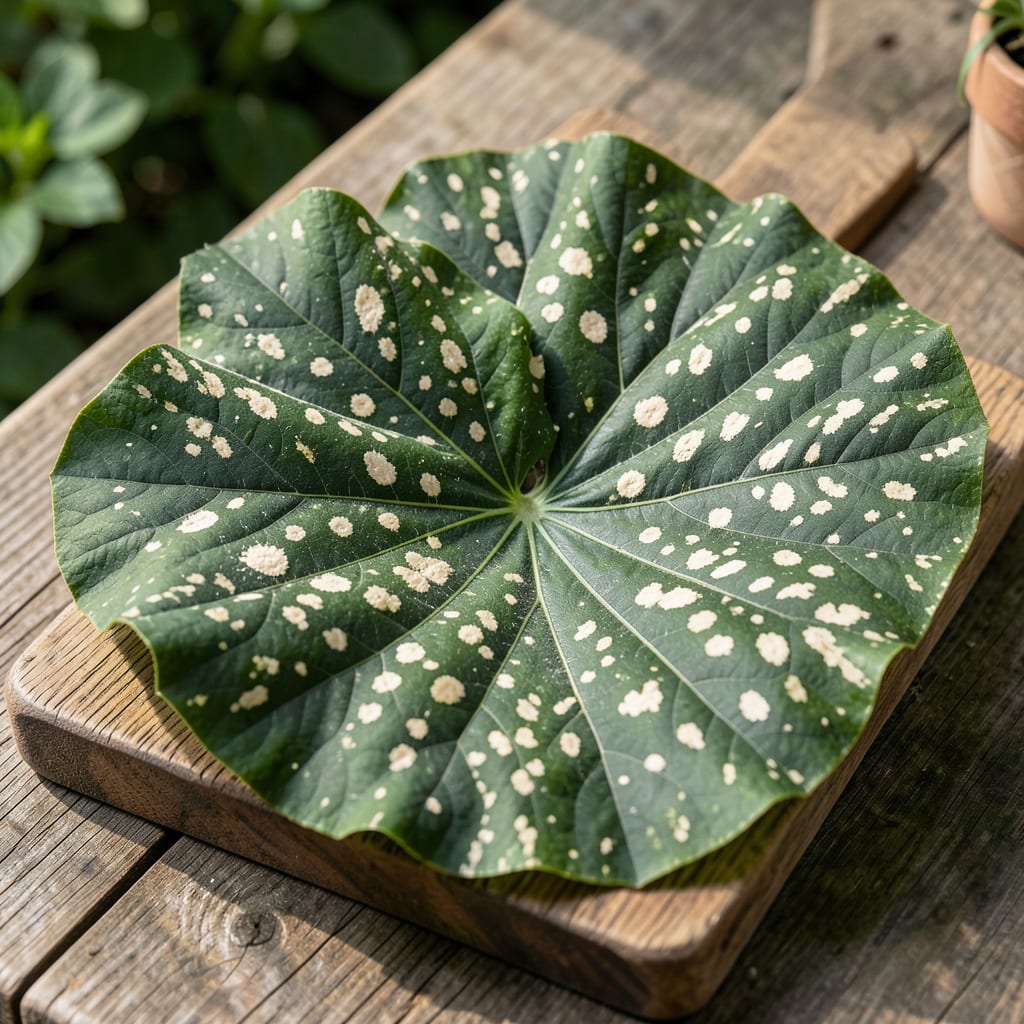
White splotches on pumpkin leaves are your plants crying for help. I’ve seen these spots turn a thriving patch into a disaster in 48 hours if ignored.
These marks usually signal powdery mildew, downy mildew, or pest damage. Each leaves different patterns, but all spread fast in humid conditions. Early action saves your harvest.
Simple fixes work: remove infected leaves, improve air flow, or apply organic sprays. Prevention is even easier with proper spacing and watering habits.
Your pumpkins can recover fully with quick response. Here’s exactly what to look for and how to stop it.
White splotches on pumpkin leaves can stem from several underlying issues, each with distinct triggers. Here’s a breakdown of the most common causes:
Powdery mildew is a frequent culprit, thriving in warm, dry climates with high humidity. The fungus Podosphaera xanthii or Erysiphe cichoracearum spreads via airborne spores, forming white, powdery patches on leaves. It flourishes when air circulation is poor or plants are overcrowded, trapping moisture.
Bacteria like Pseudomonas syringae can cause water-soaked lesions that dry into white or tan splotches. This often happens after rainy or overhead watering creates ideal conditions for bacterial entry through leaf pores. Splashing water spreads the pathogens rapidly.
Tiny pests like spider mites and whiteflies suck sap from leaves, leaving behind stippled white or yellow spots. Their feeding disrupts chlorophyll, and their honeydew residue can foster sooty mold, worsening discoloration. Check leaf undersides for webs or sticky deposits.
Extreme heat, cold, or sunburn can bleach leaf tissues, creating irregular white patches. Transplant shock or nutrient deficiencies (e.g., magnesium or iron) may also trigger chlorosis, where leaves lose green pigment. Over-fertilization, especially with nitrogen, can distort leaf color too.
Drift from herbicides (e.g., glyphosate) or improperly mixed foliar sprays can cause localized bleaching. Even hard water or high-salt fertilizers may lead to leaf scorch, appearing as white or brown splotches.
If your pumpkin plants are sporting unsightly white splotches, don’t panic—here’s how to tackle each common cause with simple, actionable fixes.
Mix 1 tablespoon baking soda + 1 teaspoon dish soap + 1 gallon water and spray leaves thoroughly, focusing on undersides. Reapply every 7–10 days or after rain. Prevention tip: 💡 Space plants for airflow and water at the base to keep foliage dry.
Blast mites off with a strong stream of water, then apply neem oil or insecticidal soap (follow label rates). Repeat every 5–7 days until gone. Prevention tip: ✨ Keep weeds down and inspect leaves weekly for early signs.
Shield leaves with shade cloth (30–50%) during peak sun (10 AM–4 PM). Avoid overhead watering in hot afternoons to prevent magnified droplets from burning foliage. Prevention tip: 🎯 Plant in areas with dappled sunlight or use row covers early in the season.
Rinse leaves immediately with water to dilute residues. Stop using the suspected product and switch to organic alternatives. Prevention tip: 🌡️ Always test sprays on a small area first and apply in cool, cloudy weather.
Remove infected leaves and apply a copper-based fungicide per package instructions. Rotate with baking soda spray for resistance management. Prevention tip: 💡 Avoid overhead irrigation and rotate crops yearly to break disease cycles.
For all issues, prune heavily damaged leaves to improve airflow and reduce spreading. Early action is key—check plants daily once symptoms appear!
Yes, fungal and bacterial causes can spread quickly. Isolate affected plants and avoid touching healthy ones after handling infected leaves.
In most cases, yes. The fruit remains safe if the issue is limited to leaves. Harvest early if the plant declines rapidly.
Rotate crops, space plants 3-4 feet apart, and water at the base. Remove old vines after harvest to eliminate hiding spots for pests and diseases.
Neem oil, baking soda sprays, and copper fungicides are effective organic options. Apply in the morning and reapply after rain for best results.
