
Beautiful Plants For Your Interior
Beautiful Plants For Your Interior
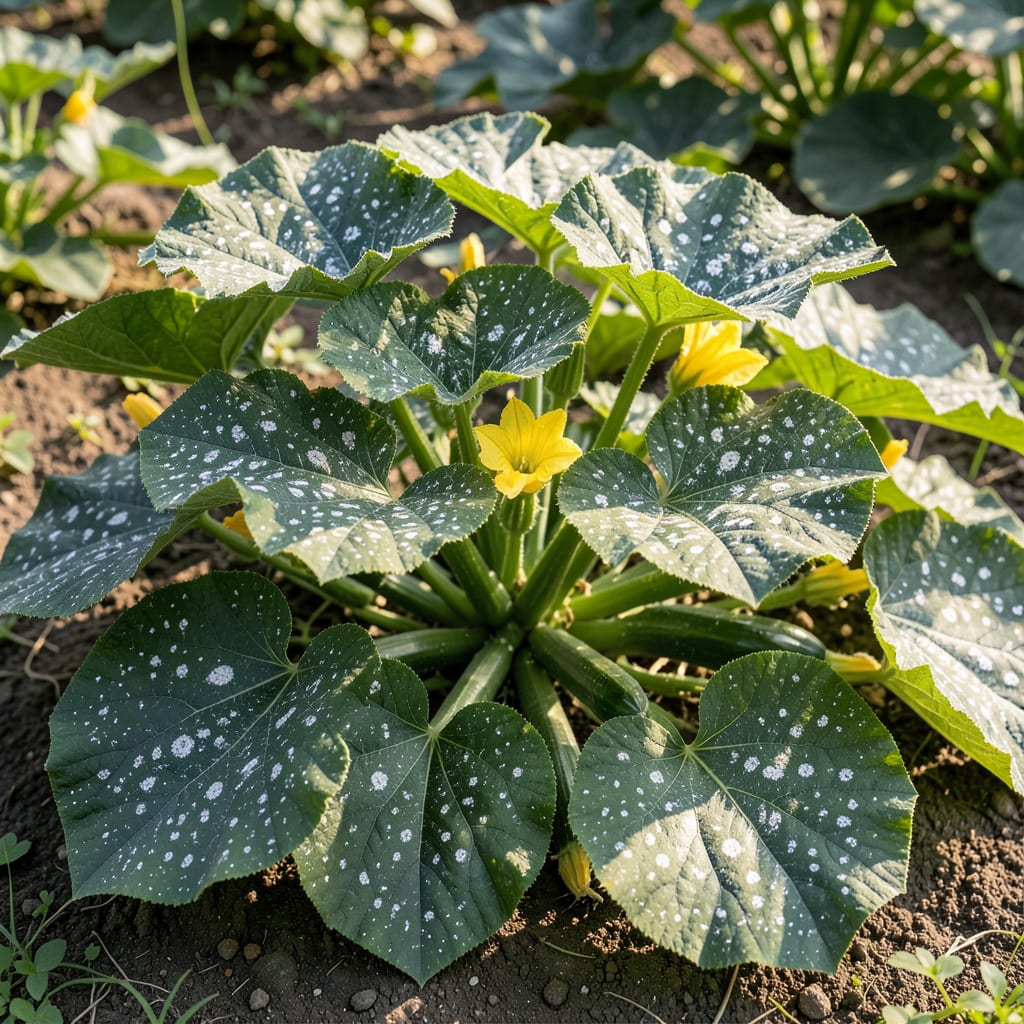
Those white spots on your zucchini leaves aren’t just unsightly—they’re a warning sign. I’ve seen powdery mildew, spider mites, and fungal infections all show up this way, and ignoring them costs you harvests.
The good news? Early action stops the spread. Check undersides of leaves first, then look for webbing or fuzzy growth. Most issues respond to simple fixes like neem oil or baking soda sprays.
Within 48 hours of treatment, you’ll often see improvement. The key is consistency—reapply remedies every 5-7 days until the plant recovers fully.
Works for container or in-ground plants, organic or conventional gardens. Here’s how to diagnose and treat it properly.
White spots on zucchini leaves often signal underlying issues that can compromise plant health. Below are the most common causes, explained scientifically for clarity.
Podosphaera xanthii, the fungus behind powdery mildew, thrives in warm, dry conditions with high humidity. It forms white, powdery patches on leaves by drawing nutrients from plant cells, weakening photosynthesis. Spores spread via wind, water, or gardening tools.
Pseudomonas syringae or Xanthomonas campestris bacteria create water-soaked spots that turn white or tan as they dry. These pathogens enter through wounds or stomata (leaf pores), multiplying rapidly in wet, crowded foliage.
Spider mites (Tetranychus urticae) and whiteflies (Bemisia tabaci) pierce leaf cells to feed, leaving stippled white or yellow dots. Their saliva disrupts chlorophyll, while honeydew (excreted by whiteflies) can foster sooty mold, a secondary black fungus.
Sudden exposure to intense sunlight can cause bleached white patches, especially on young leaves. This occurs when chloroplasts (photosynthetic cells) are damaged by UV radiation, leading to localized cell death.
A lack of calcium may cause interveinal chlorosis (white/yellow areas between veins), while magnesium deficiency triggers uniform yellowing with white speckles. Both disrupt chlorophyll production, as these minerals are essential for enzyme function in photosynthesis.
If you’ve spotted white patches on your zucchini leaves, don’t panic—there are effective ways to treat and prevent the issue. Below are targeted solutions for the most common causes, along with prevention tips to keep your plants healthy.
Mix 1 tablespoon of baking soda and 1 teaspoon of liquid soap in a gallon of water. Spray this solution on the affected leaves every 7–10 days, focusing on the undersides. Prevention tip: 💡 Improve air circulation by spacing plants properly and watering at the base to avoid wet foliage.
Blast pests off leaves with a strong stream of water, then apply neem oil or insecticidal soap every 3–5 days until they’re gone. For severe infestations, introduce beneficial insects like ladybugs. Prevention tip: ✨ Use reflective mulch to deter whiteflies and keep the garden free of debris where pests hide.
Shield plants with shade cloth (30–50%) during peak sunlight hours. Ensure consistent watering to prevent stress. Prevention tip: 🌡️ Mulch around the base to retain moisture and regulate soil temperature.
Remove and destroy infected leaves immediately to stop the spread. Apply a copper-based fungicide as directed. Prevention tip: 🎯 Rotate crops yearly and avoid overhead watering to reduce bacterial growth.
Regularly inspect your zucchini plants for early signs of trouble, and act quickly to keep your garden thriving!
No, other culprits include pests like spider mites, bacterial leaf spot, sun scald, or nutrient deficiencies. Check for webbing, water-soaked spots, or bleached patches to narrow it down.
Yes! A mix of 1 tablespoon baking soda and 1 teaspoon soap in a gallon of water works for mildew. Neem oil is great for pests. Reapply every 7-10 days.
Use reflective mulch, remove garden debris, and introduce ladybugs. Avoid overhead watering to keep foliage dry. Consistency is key!
Severely damaged leaves won’t heal, but removing them stops the spread. New growth will be healthy if you treat the plant properly.
