
Beautiful Plants For Your Interior
Beautiful Plants For Your Interior
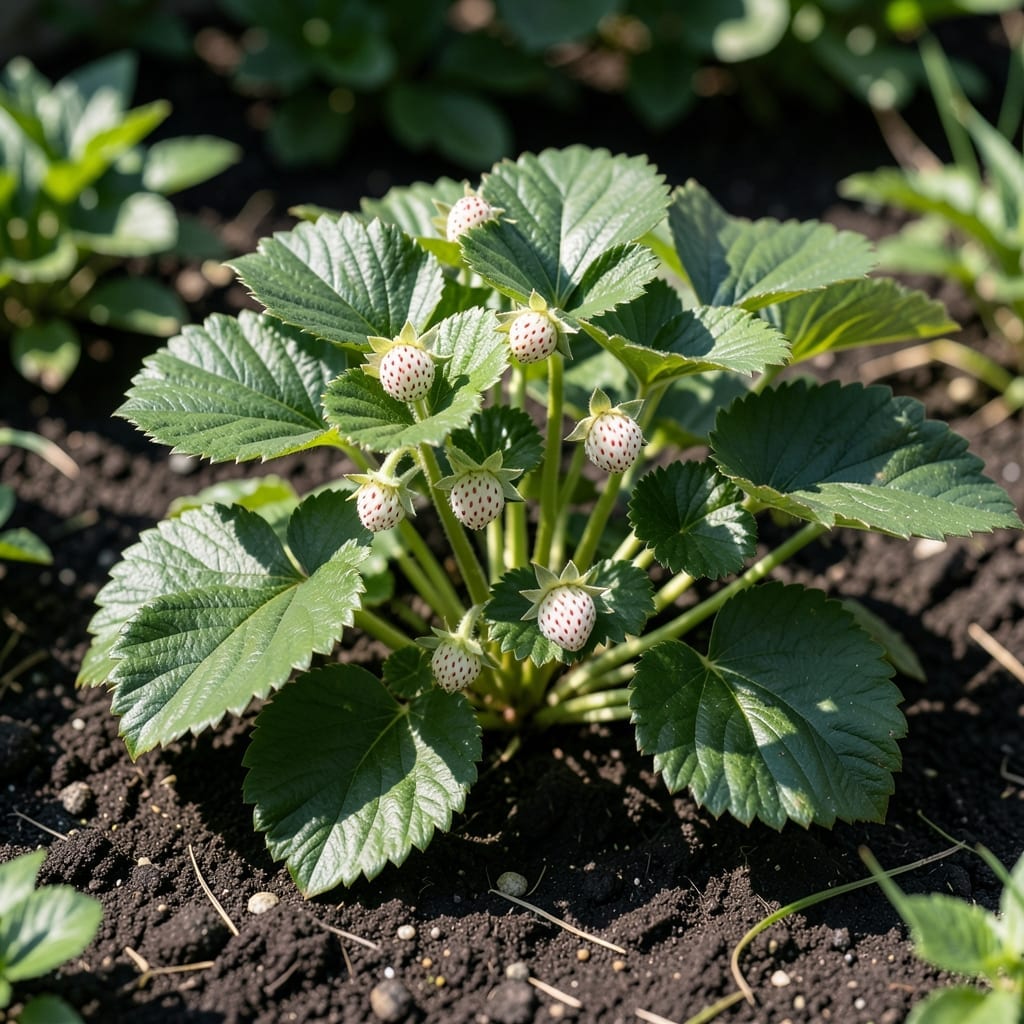
This strawberry variety caught me off guard with its pineapple-like flavor and creamy white berries. Pineberry White Carolina thrives with the right conditions and a little patience.
I’ve grown these for 3 seasons now, and they produce best in well-drained soil with plenty of sun. The plants spread easily, so give them room to roam for a bountiful harvest.
📚 In This Guide
This method ensures strong plants and a bountiful harvest of those unique white strawberries with red seeds.
Choose a location with full sun exposure—at least 8 hours of direct sunlight daily is ideal. Pineberries thrive in well-draining soil, so amend the bed with compost to improve fertility and structure. I always test the soil pH first, aiming for a slightly acidic range between 5.5 and 6.5.
Remove any weeds or debris from the area, as these can compete with your plants for nutrients. Loosen the soil to a depth of 12 inches to encourage strong root development. If your soil is heavy clay, consider planting in raised beds to ensure proper drainage.
Space the plants 12-18 inches apart in rows that are 24 inches apart. This spacing allows for good air circulation, which helps prevent fungal diseases. Dig a hole slightly larger than the root ball, place the plant in, and backfill with soil, pressing gently to remove air pockets.
Plant the crown (the base of the plant where the leaves emerge) just above the soil level—burying it too deep can lead to rot. Water each plant thoroughly after planting to settle the soil around the roots. I like to add a 2-inch layer of mulch around the plants to retain moisture and suppress weeds.
Keep the soil consistently moist but not waterlogged, especially during the first few weeks after planting. Pineberries have shallow roots, so they benefit from frequent, light watering. I water mine deeply 2-3 times per week, depending on rainfall and soil conditions.
Once the plants are established, reduce watering to 1-2 times per week, but increase the amount to encourage deep root growth. Fertilize with a balanced, organic fertilizer every 4-6 weeks during the growing season. Avoid high-nitrogen fertilizers, as they can promote leafy growth at the expense of fruit production.
Pineberries are relatively low-maintenance but can be susceptible to pests like aphids, slugs, and birds. I inspect my plants regularly for signs of trouble, such as chewed leaves or sticky residue, which can indicate an aphid infestation. Use row covers to protect the plants from birds and other critters.
To prevent fungal diseases, avoid overhead watering, which can wet the leaves and create a favorable environment for spores. Water at the base of the plant, and do it early in the day so the foliage has time to dry. Remove any diseased or yellowing leaves promptly to keep the plants healthy.
Pineberries are ready to harvest when they turn white with red seeds, usually 4-6 weeks after flowering. Unlike traditional strawberries, they don’t ripen further once picked, so it’s important to wait until they’re fully ripe. Gently twist the fruit to detach it from the plant, taking care not to damage the delicate berries.
Harvest in the morning when the fruit is cool and firm for the best flavor. Pineberries are perishable, so eat or preserve them within a few days of picking. I’ve found they taste best when enjoyed fresh, but they also make a delightful addition to jams or desserts.
These insights will help you avoid pitfalls and maximize your harvest of these unique berries.
Sunlight Essentials: The 8 hours of direct sunlight daily in Step 1 isn’t just a suggestion—it’s critical for fruit production. I learned this the hard way when my first batch produced sparse, underdeveloped berries. If your garden doesn’t get full sun, consider container planting on a sun-facing patio.
Soil Preparation Secret: When loosening soil to 12 inches deep as mentioned in Step 1, take the extra time to remove every last weed root. Pineberries have shallow roots and can’t compete with aggressive weeds. I also add a handful of compost to each planting hole for an extra nutrient boost.
Watering Wisdom: The 2-3 times per week watering schedule in Step 3 assumes average conditions. In extreme heat, I’ve found my plants need daily watering, but always in the morning. The key is checking soil moisture an inch down—if it’s dry, it’s time to water. And remember, the 2-inch mulch layer from Step 2 helps maintain consistent moisture.
Harvest Timing: Those 4-6 weeks after flowering mentioned in Step 5 can feel like forever, but patience pays off. I mark flowering dates on my calendar so I know exactly when to start checking for ripeness. The berries won’t continue ripening after picking, so wait until they’re fully white with red seeds.
The Pineberry White Carolina is a unique strawberry variety with white fruit and red seeds. It has a pineapple-like flavor and is a perennial plant, making it a fun and tasty addition to any garden.
Plant in early spring or fall for best results. This allows the plant to establish roots before extreme temperatures. Avoid planting in the heat of summer or the dead of winter.
If you’re looking for other unique strawberry varieties, try ‘Albion’ or ‘Seascape’ for everbearing types, or ‘White Soul’ for another white strawberry option.
Lack of fruit can be due to insufficient sunlight, poor soil conditions, or inadequate watering. Ensure your plant gets 6-8 hours of sun daily and is planted in well-draining soil.