
Beautiful Plants For Your Interior
Beautiful Plants For Your Interior
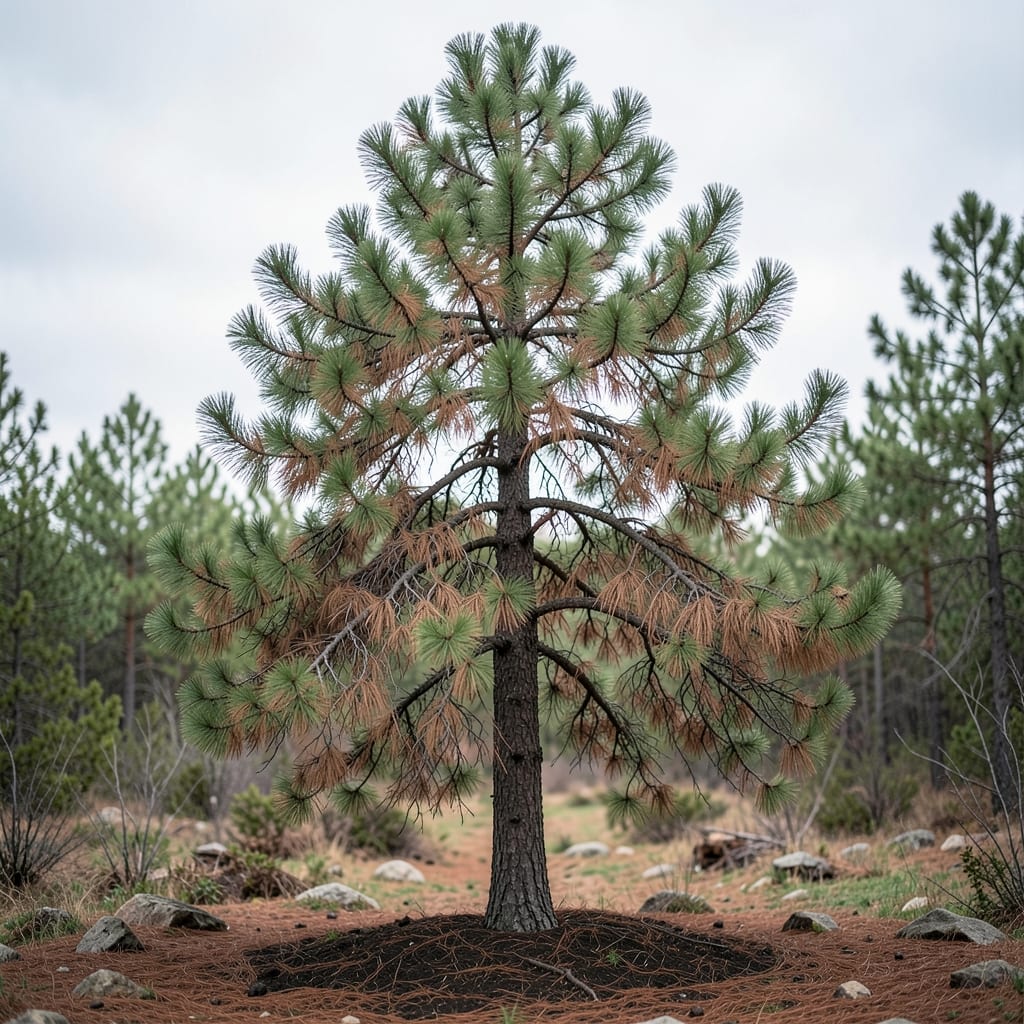
That sinking feeling when you notice your pine’s lower branches turning brown first hit me three seasons ago. I thought it was just drought stress—until the needles started dropping in clumps and the bark darkened at the base.
Turns out root rot often starts silently underground, cutting off water and nutrients to the lowest branches first. By the time you see the brown needles, the damage has been spreading for months through the root system.
Here’s the thing—catching it early means the difference between saving your tree and watching it decline. The recovery process isn’t complicated, but it does require immediate action and some patience.
Between you and me, most pine trees can bounce back if you address the root cause before it spreads upward. Let’s get to the bottom of this.
Several factors can cause a pine tree to die from the bottom up, often starting with stress at the roots or lower trunk. Below are the most common culprits, explained in clear terms to help you diagnose the issue.
Fungal pathogens like Armillaria (honey fungus) or Phytophthora attack the roots, cutting off water and nutrient flow. These fungi thrive in overly wet or poorly drained soil, breaking down root tissue until the tree can no longer support its upper branches. Look for dark, mushy roots or a white fungal mat under the bark.
When roots grow in a circular pattern around the trunk, they can strangle the tree’s vascular system. This restricts the flow of water and nutrients, causing the lower branches to die first. Girdling often occurs in trees planted too deep or in pots for too long.
Bark beetles bore into the inner bark, disrupting the tree’s ability to transport nutrients. While they often target stressed or drought-weakened trees, a heavy infestation can kill healthy pines from the bottom up. Check for tiny exit holes in the bark or sawdust-like frass.
Drought, soil compaction, or extreme temperature swings can weaken the tree’s defenses, making it susceptible to disease and pests. Pines under stress often shed lower branches first as they prioritize survival of the upper crown.
Accidental exposure to herbicides (like glyphosate) can cause systemic damage, often starting at the base. Symptoms include brown, brittle needles and stunted growth. Even drift from nearby applications can harm sensitive pines.
If your pine is losing its lower branches, act fast with these targeted fixes. Each cause has a clear solution—follow these steps to nurse your tree back to health.
Dig a small trench around the base to check for soggy, dark roots. If confirmed, stop watering immediately. Fix: Aerate the soil with a garden fork to break up compaction, then mix in coarse sand or gravel to boost drainage. For severe cases, apply a biological fungicide (like Trichoderma) to the root zone. Prevent: Water deeply but only when the top 2 inches of soil are dry. 💡 Pro tip: Plant pines in raised beds if your yard has heavy clay soil.
Yellowing needles or stunted growth often signal a lack of nitrogen or iron. Fix: Use a slow-release, acid-loving plant fertilizer (10-10-10 or 12-4-8) in early spring. For iron deficiency (common in alkaline soil), apply chelated iron as a soil drench. Prevent: Test your soil every 2–3 years and amend with compost or sulfur to maintain a pH of 5.0–6.5. ✨ Bonus: Mulch with pine needles to naturally acidify the soil.
Check for sawdust-like frass (bark beetles) or sticky residue (aphids). Fix: Prune and destroy infested branches. For bark beetles, apply horticultural oil or insecticidal soap at dusk. For aphids, blast them off with water or introduce ladybugs. Prevent: Keep trees healthy—stressed pines attract pests. Water consistently and avoid injuring the bark with lawnmowers. 🎯 Key: Remove fallen needles and debris to eliminate pest hiding spots.
Drought, extreme heat, or poor sunlight can weaken pines. Fix: Deep-water young trees (1–2 gallons weekly) during dry spells. Shield saplings from harsh afternoon sun with shade cloth. Prevent: Plant pines in spots with full sun and protection from strong winds. Mulch 2–3 inches deep (keep mulch 6 inches from the trunk) to retain moisture. 🌡️ Watch out: Over-mulching can suffocate roots—less is more!
Yes, overwatering is a common culprit. It leads to root rot, which cuts off water and nutrients to lower branches first. Always check soil moisture before watering.
Early signs include yellowing needles on lower branches and brown, brittle bark at the base. Check for mushy roots or fungal growth at the trunk.
Improve drainage immediately, prune dead branches, and treat pests with horticultural oil. Avoid herbicides near the tree and maintain proper soil pH.
It depends on the cause. Trees with early-stage root rot or minor pest issues often recover with proper care. Severe cases may require removal to protect other plants.