
Beautiful Plants For Your Interior
Beautiful Plants For Your Interior
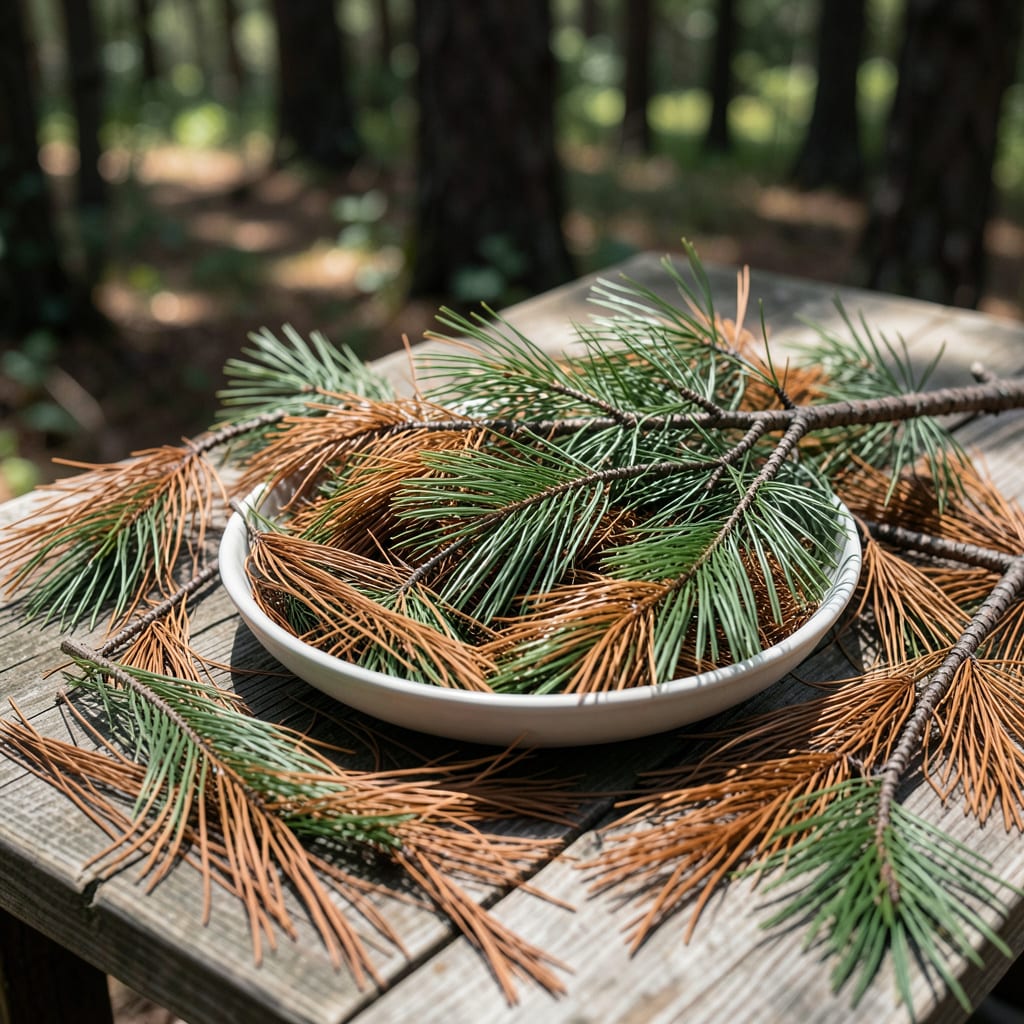
Watching pine needles turn brown feels like a slow-motion disaster. I’ve seen it happen after dry spells, unexpected frosts, or even just poor planting spots.
Most times, it’s not disease—it’s stress. Too much water, too little, wrong soil, or even road salt can trigger it. The good news? Pines are tough and often bounce back with the right adjustments.
You’ll know recovery is happening when new growth stays vibrant green. The key is acting fast before the damage spreads.
Works for young trees, mature pines, and even landscape specimens. Here’s how to diagnose and fix it.
Pine needles turning brown can signal underlying issues that disrupt their health. Below are the most common causes, explained with actionable insights.
Extreme temperatures, drought, or excessive heat can cause needle desiccation. Pines require consistent moisture, and prolonged dry spells force needles to brown as a survival response. Action: Ensure deep watering during dry periods, especially for young trees.
Pathogens like Dothistroma or Rhizosphaera thrive in wet, humid conditions, leading to needle blight. Infected needles develop brown spots or bands before dying. Action: Prune affected branches, improve airflow, and apply approved fungicides preventatively.
Sap-sucking insects such as pine bark beetles or spider mites weaken trees by disrupting nutrient flow. Severe infestations cause widespread browning. Action: Inspect for boreholes or webbing; treat with horticultural oils or insecticides if detected early.
A lack of magnesium, iron, or nitrogen can manifest as yellowing or browning needles, often starting at the tips. Poor soil quality or improper pH (ideal: 6.0–7.0) limits nutrient uptake. Action: Conduct a soil test and amend with targeted fertilizers.
Mechanical injury (e.g., lawnmower strikes), herbicide drift, or compacted soil can stress roots, leading to needle dieback. Action: Protect the root zone and avoid chemical exposure.
Identifying the root cause quickly helps restore your pine’s vitality. 💡
Addressing browning pine needles starts with identifying the root cause. Below are targeted fixes for common issues, paired with prevention tips to keep your pines vibrant.
If dry soil is the culprit, water deeply at the tree’s base (not the needles) to encourage deep root growth. Use a soaker hose or drip irrigation for slow, thorough saturation. Prevention tip: 💡 Mulch around the base with 2–3 inches of organic material to retain moisture and regulate soil temperature.
For fungal diseases like Dothistroma needle blight, remove and destroy infected branches. Apply a copper-based fungicide in early spring or fall, following label instructions. Prevention tip: ✨ Space trees properly to improve airflow, and avoid overhead watering to reduce humidity on needles.
Inspect for pests like pine bark beetles or spider mites. Treat with horticultural oil or insecticidal soap for soft-bodied pests. For severe infestations, consult a professional. Prevention tip: 🎯 Keep trees healthy with balanced fertilization, as stressed pines attract pests more easily.
If browning stems from herbicide drift or salt exposure, flush the soil with water to dilute contaminants. Shield trees from road salt or chemicals. Prevention tip: 🌱 Plant salt-tolerant species near driveways or use barriers to protect existing pines.
Older inner needles naturally turn brown and drop in fall. No action is needed—this is part of the pine’s growth cycle. Prevention tip: 🔥 Rake and remove fallen needles to prevent fungal buildup in the debris.
Yes, if caused by fungal diseases like Dothistroma or pests like beetles. These can spread via wind, water, or insects. Isolate affected trees and treat promptly.
Water deeply 1-2 times per week during dry spells, ensuring 1-2 inches of moisture reaches the root zone. Avoid frequent shallow watering.
Address the root cause first. For drought, water deeply and mulch. For pests, apply horticultural oil. Recovery can take 4-6 weeks if caught early.
No, older inner needles naturally brown and shed in fall. If only inner needles are affected and new growth stays green, it’s normal.
