
Beautiful Plants For Your Interior
Beautiful Plants For Your Interior
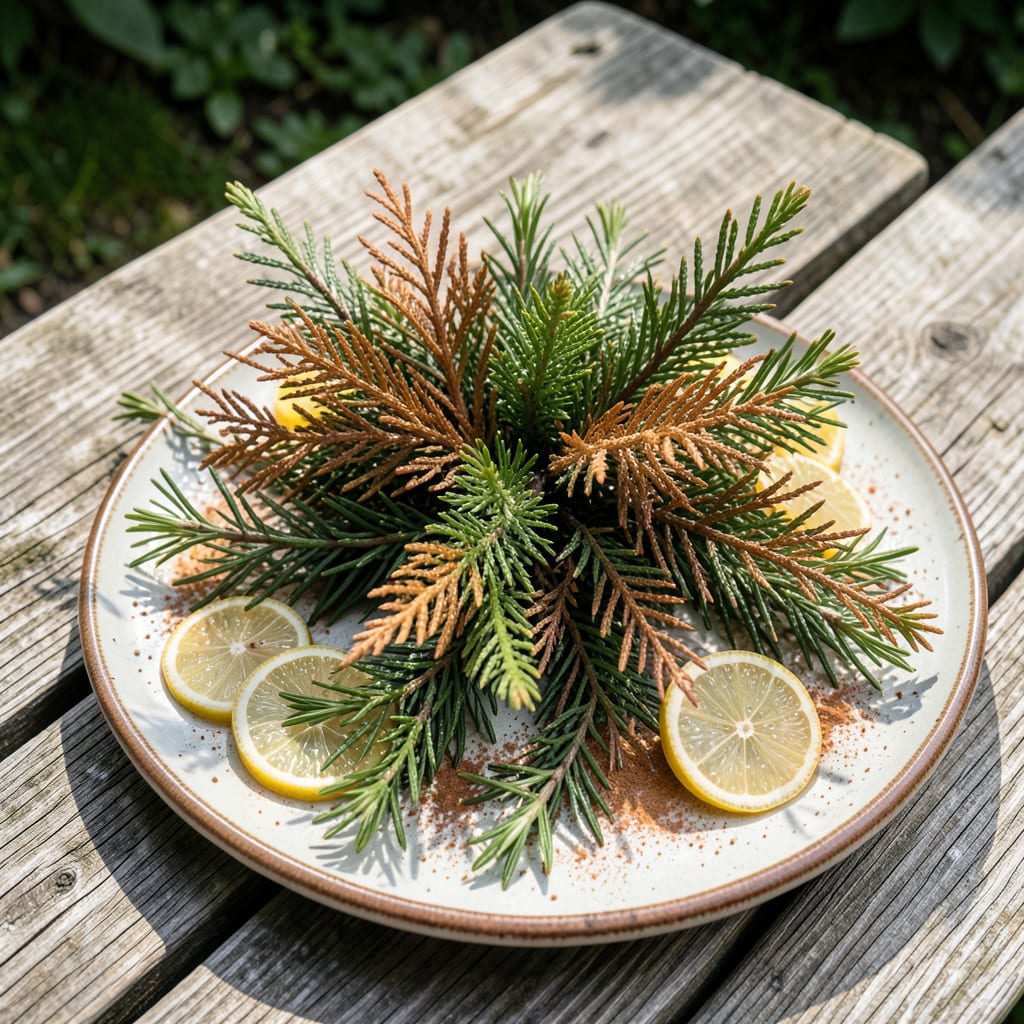
That sinking feeling when your cypress turns brown hits hard. I’ve stood in my own yard staring at crispy foliage, wondering what went wrong overnight.
Here’s the thing—browning rarely means the tree is gone. Most cases stem from water stress, pests, or root issues that are fixable with the right approach. The key is acting before the damage spreads.
You’ll often see recovery within 4-6 weeks once you address the root cause. Proper watering, targeted treatments, and a little patience bring those green needles back.
Works for young and established trees alike. Let’s diagnose and treat this properly.
Cypress trees turning brown is often a sign of stress or disease. Understanding the root causes helps you address the issue effectively. Below are the most common reasons and their scientific explanations.
Extreme temperatures, drought, or poor drainage can stress cypress trees, leading to browning foliage. Drought stress reduces water uptake, causing needle desiccation, while waterlogging suffocates roots, impairing nutrient absorption. Cypress trees thrive in well-drained, consistently moist soil.
Fungi like Seiridium cardinale (cypress canker) or Phytophthora (root rot) attack weakened trees. Canker causes localized browning and resin oozing, while root rot leads to yellowing and wilting. These pathogens spread in wet conditions, so proper airflow and drainage are critical.
Cypress bark beetles and spider mites damage trees by burrowing into bark or sucking sap. Beetles introduce fungi, while mites cause stippling and discoloration. Regularly inspect for tiny holes (beetles) or webbing (mites) to catch infestations early.
Lack of essential nutrients like iron (chlorosis) or magnesium (interveinal yellowing) can lead to browning. A soil test helps identify deficiencies; amend soil with compost or targeted fertilizers for recovery.
Reviving a brown cypress tree starts with identifying the root cause and applying targeted solutions. Here’s how to tackle the most common issues:
If soggy soil is the culprit, stop watering immediately and let the soil dry out. Improve drainage by amending heavy clay soil with sand or organic matter. For potted cypress, ensure the container has drainage holes. Prevention tip: Water only when the top 1-2 inches of soil are dry, and avoid letting water pool around the base.
For underwatered trees, give a slow, deep watering at the base (not the needles) to encourage root growth. Mulch around the tree to retain moisture. Prevention tip: 💡 Water young trees weekly and mature ones every 2-3 weeks during dry spells.
Prune brown, infected branches with sterilized shears to stop the spread. Apply a copper-based fungicide as directed. Prevention tip: Space trees properly for airflow, and avoid overhead watering to keep foliage dry.
For spider mites or bagworms, blast off pests with a strong water spray or use insecticidal soap/neem oil. For severe cases, apply horticultural oil. Prevention tip: Inspect trees regularly, especially in hot, dry weather when pests thrive.
Use a balanced, slow-release fertilizer (10-10-10) in early spring. Avoid over-fertilizing, which can burn roots. Prevention tip: Test soil every 2-3 years to monitor nutrient levels.
Act quickly—the sooner you address the issue, the better your cypress’s chances of regaining its vibrant green!
Water deeply at the base 1-2 times per week for young trees, reducing to every 2-3 weeks for mature ones. Always check soil moisture first—if the top 1-2 inches are dry, it’s time to water.
A copper-based fungicide works well for most fungal issues. Apply as directed, focusing on affected branches. Remove severely infected areas first to prevent spread.
Yes, too much fertilizer can burn roots, leading to brown foliage. Stick to a balanced 10-10-10 formula in spring and avoid over-application.
If browning spreads rapidly or covers more than 30% of the tree, consult an arborist. They can diagnose complex issues like root rot or severe infestations.
