
Beautiful Plants For Your Interior
Beautiful Plants For Your Interior
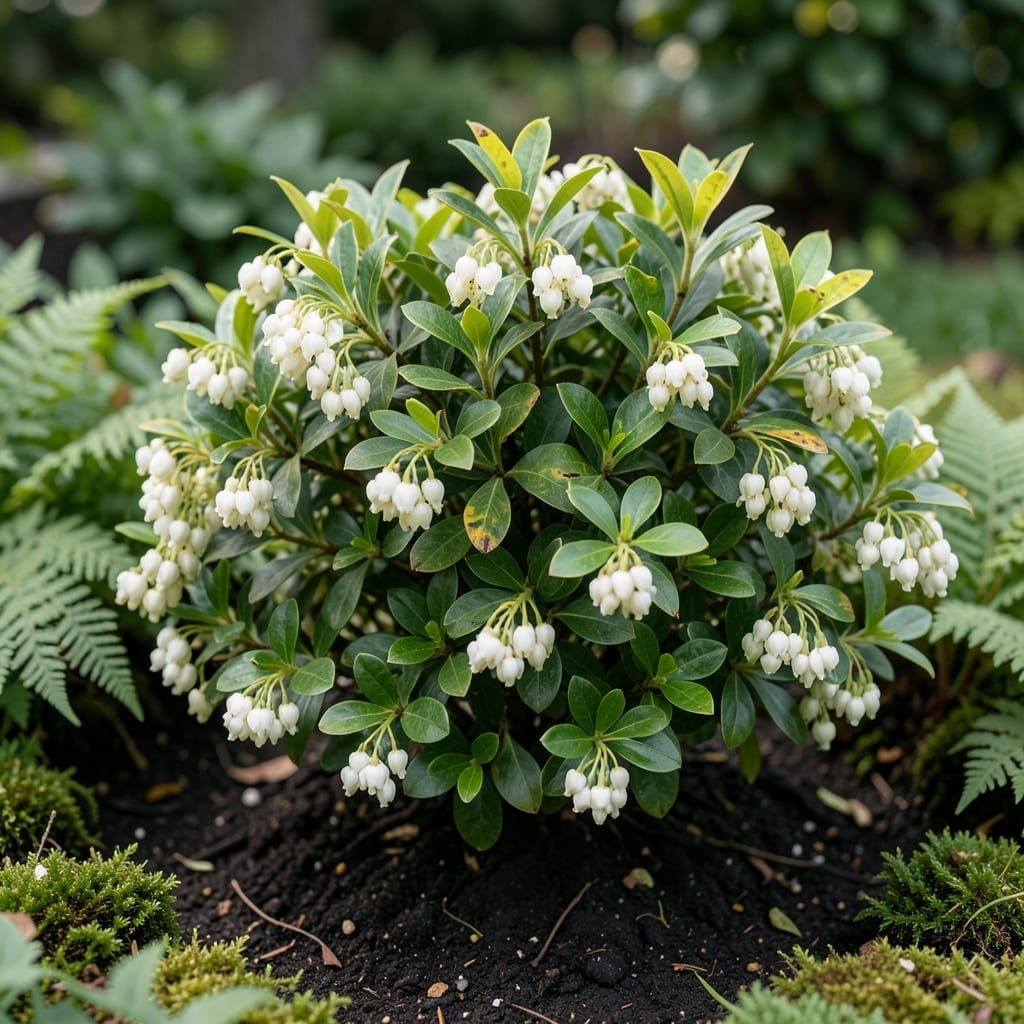
Yellow leaves on your Pieris aren’t just unsightly—they’re a cry for help. I’ve seen this issue turn a vibrant shrub into a sad stick figure in weeks if ignored.
Here’s the thing—this usually comes down to 4 common culprits: water stress, nutrient imbalance, soil pH, or sneaky pests. Most gardeners jump to conclusions, but the fix starts with proper diagnosis.
You can reverse the damage faster than you think. With the right approach, fresh green growth appears within 2-3 weeks, and your plant rebounds stronger than before.
Works for container-grown or in-ground Pieris, in any climate. Let’s save that shrub before it’s too late.
When your Pieris develops yellow leaves, it’s often a sign of stress or imbalance. Below are the most frequent culprits, explained with actionable insights.
Excess moisture suffocates roots, blocking oxygen uptake and leading to chlorosis (yellowing). Pieris thrives in moist but well-drained soil. Soggy conditions also promote fungal root rot, which further disrupts nutrient absorption, particularly iron and magnesium.
Yellowing often signals a lack of iron (interveinal chlorosis on new leaves) or nitrogen (uniform yellowing on older leaves). Acidic soil (pH 4.5–5.5) is critical for Pieris to access iron. Test soil pH and amend with sulfur or chelated iron if levels are off.
Too much direct sun can scorch leaves, while insufficient light weakens the plant, both leading to yellowing. Pieris prefers partial shade. Additionally, sudden temperature swings or frost damage can trigger stress-induced discoloration.
Sap-sucking pests like spider mites or lace bugs drain nutrients, causing stippling and yellowing. Inspect leaf undersides for webbing or tiny insects. Treat with horticultural oil or insecticidal soap at first signs.
Pathogens like Phytophthora root rot or leaf spot fungi can cause yellowing, often accompanied by brown spots or wilting. Improve air circulation, avoid overhead watering, and apply fungicide if needed.
Here’s how to nurse your Pieris back to health, based on the most common causes of yellowing leaves. Follow these targeted fixes and prevention tips to restore its vibrant green foliage.
Fix: Test your soil with a kit to confirm deficiencies (iron or nitrogen are common culprits). Amend with a balanced, acid-loving fertilizer (10-10-10 or 12-4-8) or chelated iron for chlorosis. Apply in early spring or late fall.
Prevention: Fertilize annually with a product formulated for ericaceous plants. Mulch with pine bark to maintain acidic soil (pH 4.5–6.0).
Fix: Adjust your watering routine. For overwatering, let the top 1–2 inches of soil dry out before watering again. For underwatering, soak the root zone deeply 1–2 times per week. Use a moisture meter to gauge needs.
Prevention: Plant in well-draining soil and ensure pots have drainage holes. Mulch to retain moisture without waterlogging.
Fix: If the roots are mushy and dark, trim affected areas with sterilized shears. Repot in fresh, sterilized acidic mix (50% peat moss, 50% perlite). Reduce watering until the plant recovers.
Prevention: Avoid soggy soil by improving drainage. Space plants to encourage airflow.
Fix: Spray leaves with neem oil or insecticidal soap to tackle lace bugs, spider mites, or aphids. Repeat every 5–7 days until pests are gone.
Prevention: Inspect leaves regularly (especially undersides) and rinse foliage with water to deter pests. Encourage beneficial insects like ladybugs.
Fix: Move potted Pieris to a spot with dappled shade (especially in hot climates). For sunburned leaves, prune damaged foliage to redirect energy.
Prevention: Acclimate plants gradually to new light conditions. Use shade cloth during peak summer heat.
Water when the top 1-2 inches of soil feels dry. In hot weather, this may mean watering 2-3 times weekly, but always check soil moisture first to avoid overwatering.
Pieris thrives in acidic soil with a pH between 4.5-5.5. Test your soil and amend with sulfur or peat moss if needed to lower pH. This helps the plant absorb iron properly.
No, once leaves turn yellow they won’t revert to green. However, fixing the underlying issue (like watering or nutrients) will encourage new, healthy green growth within 2-3 weeks.
Use a balanced, acid-loving fertilizer (like 10-10-10 or 12-4-8) formulated for ericaceous plants. Apply in early spring and late fall for best results.