
Beautiful Plants For Your Interior
Beautiful Plants For Your Interior
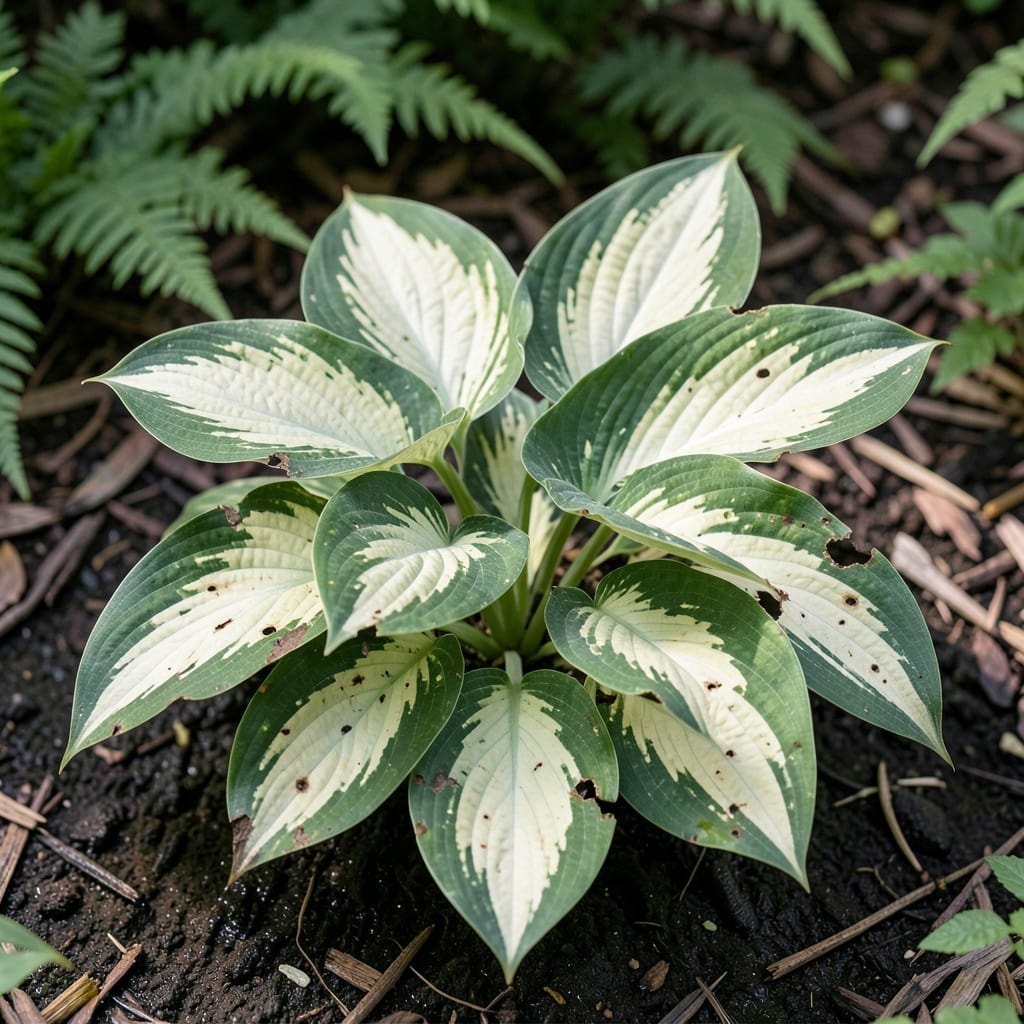
Your hostas looked perfect yesterday. Today, holes and brown edges tell a different story. I’ve seen this pattern too many times—something’s eating or infecting those lush leaves, and it’s not just slugs.
The usual suspects? Deer nibbling overnight, slugs leaving silvery trails, or fungal spots spreading fast. Each leaves a distinct mark, so once you know what to look for, the fix becomes obvious.
Most solutions are simple: a beer trap for slugs, a fence for deer, or a fungicide for spots. The key is catching it early before the damage spreads to the whole clump.
By next season, your hostas can bounce back stronger. Here’s how to spot the culprit and stop it in its tracks.
Understanding why hosta leaves suffer damage is the first step to keeping your garden lush and healthy. Below are the most common causes, explained with actionable insights.
Slugs and snails are the primary offenders, leaving irregular holes and ragged edges on leaves. Their rasping mouths scrape tissue, causing visible damage overnight. Deer and rabbits may also take large bites, leaving clean-cut edges. Use beer traps or iron phosphate baits for slugs, and fencing or repellents for larger pests.
Fungi like Anthracnose or Foliar Nematodes thrive in wet, humid conditions, causing brown spots, yellowing, or wilting. Overhead watering and poor air circulation exacerbate the problem. Remove infected leaves immediately, and apply fungicides or improve drainage to prevent spread.
Hostas prefer shade, and excessive sun can scorch leaves, turning them crispy and brown (sunburn). Conversely, overwatering leads to root rot, yellowing leaves, and stunted growth. Ensure partial shade and well-draining soil to mitigate these issues.
A lack of nitrogen, magnesium, or iron can cause interveinal chlorosis (yellowing between veins) or stunted growth. Test your soil and amend with balanced fertilizers or Epsom salts (for magnesium) to restore leaf health.
Whether it’s pests, disease, or environmental stress, restoring your hostas is easier than you think. Here’s how to tackle the most common issues and prevent future damage.
Slugs & Snails: Handpick them at dusk or use beer traps. For severe cases, apply iron phosphate baits (pet-safe). Prevention: Mulch with crushed eggshells or copper tape around plants. 💡 Pro Tip: Encourage predators like birds or ground beetles by adding a small water source nearby.
Deer & Rabbits: Install a 3-4 ft tall fence or use repellents like hot pepper spray. Prevention: Plant deer-resistant varieties (e.g., ‘Halcyon’ or ‘Francee’) near vulnerable hostas.
Foliar Nematodes: Remove and destroy infected leaves immediately to stop spreading. Disinfect tools with rubbing alcohol. Prevention: Avoid overhead watering and thin plants for better airflow.
Anthracnose or Leaf Spot: Apply copper fungicide or neem oil at the first sign. Prevention: Water at the base in the morning and space hostas 18–24 inches apart. ✨ Bonus: Choose disease-resistant cultivars like ‘Blue Angel’.
Sunburn: Move hostas to shadier spots or add a shade cloth. Trim brown edges to help recovery. Prevention: Plant in areas with dappled sunlight, especially for blue or variegated varieties.
Drought Stress: Water deeply 1–2 times per week (1 inch of water). Mulch with compost to retain moisture. Prevention: Group hostas with similar water needs to simplify care. 🌡️ Pro Tip: Use a rain gauge to track watering consistency.
With these targeted fixes and a little vigilance, your hostas will bounce back to their lush, vibrant selves!
Look for irregular holes with ragged edges and silvery slime trails on leaves or soil. Slugs feed at night, so check plants early morning for fresh damage.
This is often Anthracnose, a fungal disease. Remove infected leaves immediately and avoid overhead watering to prevent spread.
Too much sun exposure causes sunburn. Move plants to shadier spots and trim damaged edges to help recovery.
Yes! Beer traps work for slugs, and crushed eggshells deter them naturally. For deer, try hot pepper spray as a repellent.