
Beautiful Plants For Your Interior
Beautiful Plants For Your Interior
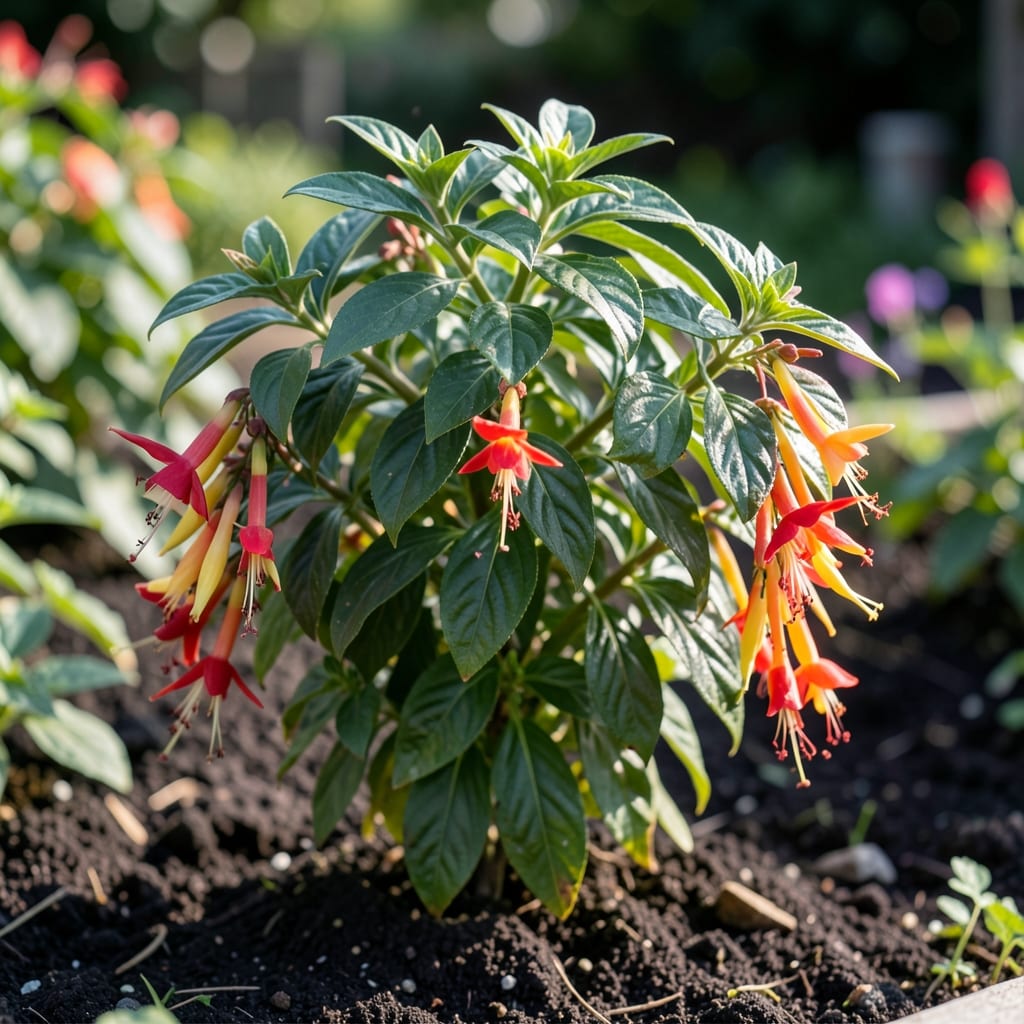
Phygelius changed my garden forever with its non-stop blooms from summer to frost. This hardy shrub handles heat like a champ while hummingbirds fight over the tubular flowers.
It thrives in partial shade, needs only weekly watering once established, and bounces back from pruning. I’ve watched mine grow taller each year with almost no fuss.
📚 In This Guide
This resilient plant rewards you with vibrant blooms from early summer until frost with minimal effort.
Select a spot with full sun to partial shade—Phygelius thrives in 6+ hours of sunlight but tolerates afternoon shade in hotter climates. The soil should be well-draining and rich in organic matter. I’ve found that slightly acidic to neutral pH (6.0-7.0) works best for vibrant flower production.
Avoid low-lying areas where water pools, as soggy roots lead to rot. If your garden has heavy clay, amend the soil with compost to improve drainage. You’ll see healthier growth and more prolific blooms when the roots have room to breathe.
Dig a hole twice as wide and just as deep as the root ball. Space plants 24-36 inches apart to allow for mature spread—this prevents crowding and ensures good air circulation, which reduces disease risk. Gently loosen the roots if they’re pot-bound before placing the plant in the hole.
Backfill with native soil, pressing lightly to remove air pockets. Water deeply after planting to settle the soil around the roots. You’ll know it’s done right when the plant stands upright without support and the soil line matches the original container level.
Keep the soil consistently moist but not waterlogged for the first 2-3 weeks after planting. After establishment, Phygelius is drought-tolerant but blooms best with regular watering during dry spells. I check soil moisture by sticking my finger 1 inch deep—if it feels dry, it’s time to water.
Apply a 2-3 inch layer of organic mulch around the base to retain moisture and suppress weeds. Keep mulch 2 inches away from the stem to prevent rot. You’ll notice fewer weeds and more stable soil temperatures, which encourages stronger root growth.
Deadhead spent flowers regularly to encourage new blooms. I use clean, sharp pruners to cut back the flower stems just above a set of leaves or a side bud. This redirects the plant’s energy into producing more flowers rather than seeds.
In early spring, trim back any dead or damaged growth to shape the plant and promote bushier growth. You’ll see fresh growth emerging within 2-3 weeks after pruning. Real talk: skipping this step results in a leggy, less floriferous plant.
Feed Phygelius with a balanced, slow-release fertilizer in early spring as new growth appears. I use a 10-10-10 formula and apply it according to package instructions. Over-fertilizing leads to excessive foliage at the expense of flowers, so less is more.
A second light application in mid-summer can extend the blooming season. Watch for a surge in vibrant, tubular flowers within 3-4 weeks of fertilizing. This is the moment that matters: well-fed plants produce the most stunning, long-lasting displays.
These practical insights will help you cultivate healthy plants with maximum blooms.
Sunlight Strategy: The 6+ hours of sunlight requirement in Step 1 is non-negotiable for vibrant blooms. In hotter climates, afternoon shade becomes essential to prevent scorching. I’ve found that east-facing locations often provide the perfect balance of morning sun and afternoon protection.
Drainage Test: When performing the drainage test from Step 1, remember that the 1-2 hour window is critical. If water sits longer, consider raised beds or amending with extra compost. Heavy clay can be transformed with just a few inches of organic matter mixed into the planting area.
Planting Precision: The ½ inch above soil line specification in Step 2 prevents the most common issue—root rot from settling. Use a ruler if needed; this small elevation makes a surprising difference in plant health. Also, the 18-24 inch spacing allows proper air circulation, which I’ve seen reduce fungal problems dramatically.
Watering Wisdom: For the watering schedule in Step 3, the finger test at 1 inch deep works perfectly. Morning watering is particularly important in humid climates to prevent mildew. I’ve noticed plants watered at the base rather than overhead develop fewer leaf spot issues.
Phygelius is semi-evergreen in mild climates (USDA zones 8-11). In colder areas, mulch heavily or move potted plants indoors. Prune back dead growth in early spring to encourage new blooms.
Lack of flowers often means insufficient sunlight or over-fertilizing with nitrogen. Ensure 6+ hours of sun daily and use a balanced, phosphorus-rich fertilizer to promote blooming.
Yes! Use a well-draining pot (12+ inches deep) and a quality potting mix. Water regularly, as containers dry out faster, and feed monthly with a liquid fertilizer during the growing season.
Watch for aphids, whiteflies, or powdery mildew. Treat pests with neem oil and improve air circulation to prevent fungal issues. Remove affected foliage promptly.
Yes! Try Lantana or Salvia for similar color with lower water needs. Both thrive in heat and attract pollinators like Phygelius.