
Beautiful Plants For Your Interior
Beautiful Plants For Your Interior
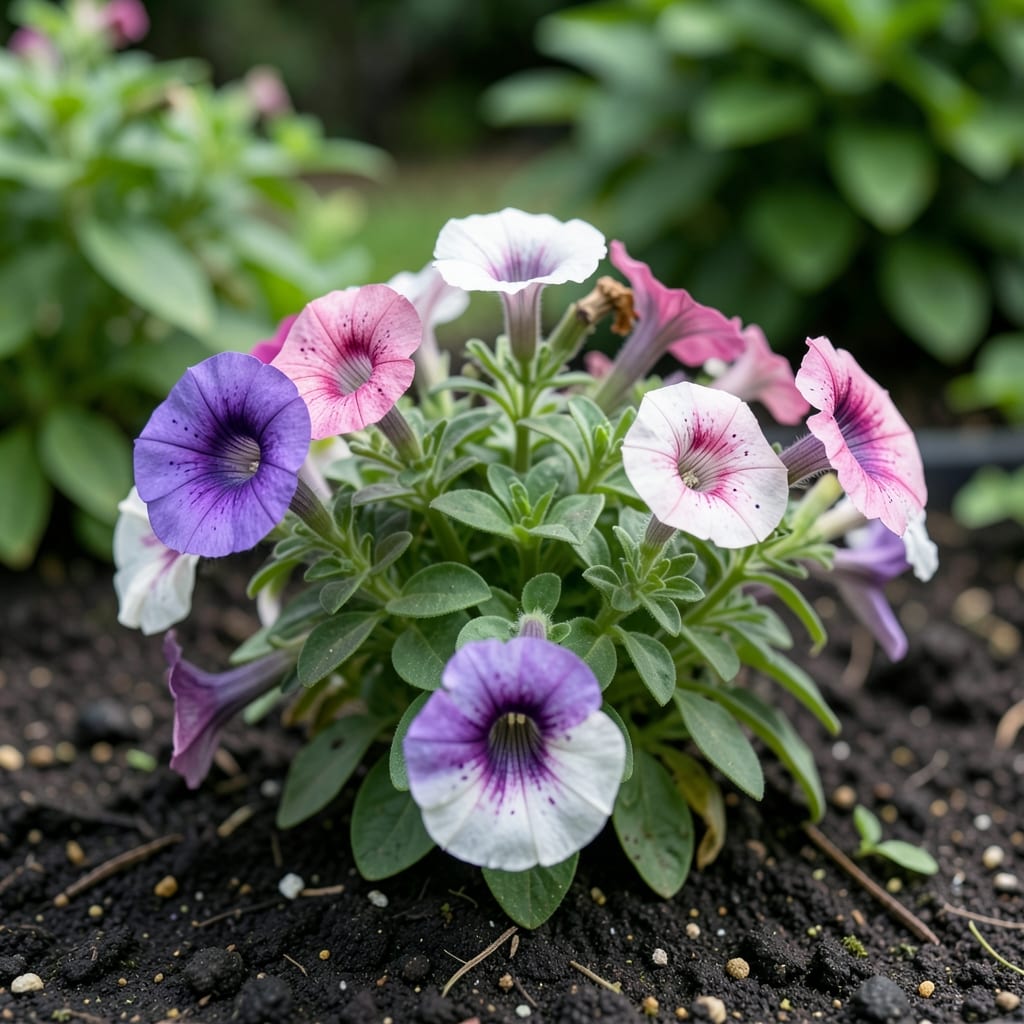
Black dots on petunias ruined my first hanging basket display. I watched those tiny spots spread across leaves like ink blots, turning vibrant blooms into a sad, spotted mess within days.
Turns out, those dots usually signal one of three culprits: hungry pests like aphids, sneaky fungal infections, or environmental stress from poor air flow. Each leaves its own calling card if you know where to look.
Here’s the thing—early action saves the plant. I caught mine just in time with a simple prune and organic spray, and those petunias bounced back stronger than ever.
Works for container plants, garden beds, or anywhere you’re growing these colorful annuals. Let’s get to the bottom of it.
Black dots on petunias often signal underlying issues that disrupt their health. Understanding the root causes helps you address the problem effectively and restore your plants’ vibrancy.
One of the most common culprits is Alternaria or Cercospora leaf spot, fungal pathogens that thrive in warm, humid conditions. These fungi produce dark, circular lesions on leaves, often with a yellow halo. Overhead watering, poor air circulation, or crowded plantings create the perfect environment for spores to spread. Action: Improve airflow, water at the base, and remove infected foliage immediately.
Tiny pests like aphids, thrips, or spider mites can cause black specks as they feed on plant sap. Their damage often appears as stippling or sooty mold (a black fungus that grows on their sticky honeydew residue). Inspect the undersides of leaves for clusters of pests or fine webbing. Action: Blast pests off with water or apply neem oil for organic control.
Extreme conditions—such as heat stress, cold snaps, or nutrient deficiencies (especially calcium or potassium)—can manifest as black or brown spots. Over-fertilization may also lead to salt burn, creating dark, crispy edges. Action: Ensure consistent watering, use balanced organic fertilizers, and protect plants from temperature extremes.
Bacteria like Pseudomonas or Xanthomonas cause water-soaked spots that turn black and may ooze. These spread via contaminated tools, water, or infected soil. Action: Remove affected leaves, sterilize pruning tools, and avoid overhead irrigation to prevent further contamination.
Black dots on petunias are often a sign of fungal or pest issues, but don’t worry—these problems are manageable with the right approach. Below are targeted solutions for the most common causes, along with tips to keep your petunias thriving.
Fix: Remove infected leaves and stems immediately to prevent spread. Apply a copper-based fungicide or a homemade mix of 1 tsp baking soda + 1 quart water + a few drops of dish soap. Spray evenly on leaves, focusing on undersides.
Prevention: 💡 Improve air circulation by spacing plants 12–18 inches apart. Water at the base in the morning to allow foliage to dry quickly. Avoid overhead watering.
Fix: Blast pests off with a strong stream of water, then apply neem oil or insecticidal soap every 5–7 days until gone. For severe cases, introduce beneficial insects like ladybugs.
Prevention: 🎯 Inspect plants weekly for early signs of pests. Encourage natural predators by planting companion flowers like marigolds.
Fix: Let the soil dry out between waterings. If the pot lacks drainage, repot into a container with holes and use well-draining potting mix. Trim any blackened, mushy roots to prevent rot.
Prevention: ✨ Use a moisture meter to check soil before watering. Elevate pots to ensure excess water drains away.
Fix: Apply a balanced, water-soluble fertilizer (10-10-10) every 2–4 weeks during the growing season. Yellowing leaves with black spots may indicate a magnesium deficiency—add Epsom salt (1 tbsp per gallon of water) as a foliar spray.
Prevention: 🌡️ Test soil annually and amend with compost for long-term nutrient health.
Consistency is key! Address issues early, and your petunias will reward you with vibrant, dot-free blooms.
Yes, overwatering creates perfect conditions for fungal growth. Ensure soil dries between waterings and use pots with drainage holes to prevent root rot.
Inspect leaves weekly and use neem oil or insecticidal soap. Encourage natural predators like ladybugs to keep pests in check.
Remove affected leaves immediately to stop the spread. Sterilize pruning tools with rubbing alcohol to avoid contaminating healthy parts.
Yes, especially magnesium or potassium deficiencies. Use a balanced fertilizer and consider Epsom salt for magnesium.