
Beautiful Plants For Your Interior
Beautiful Plants For Your Interior
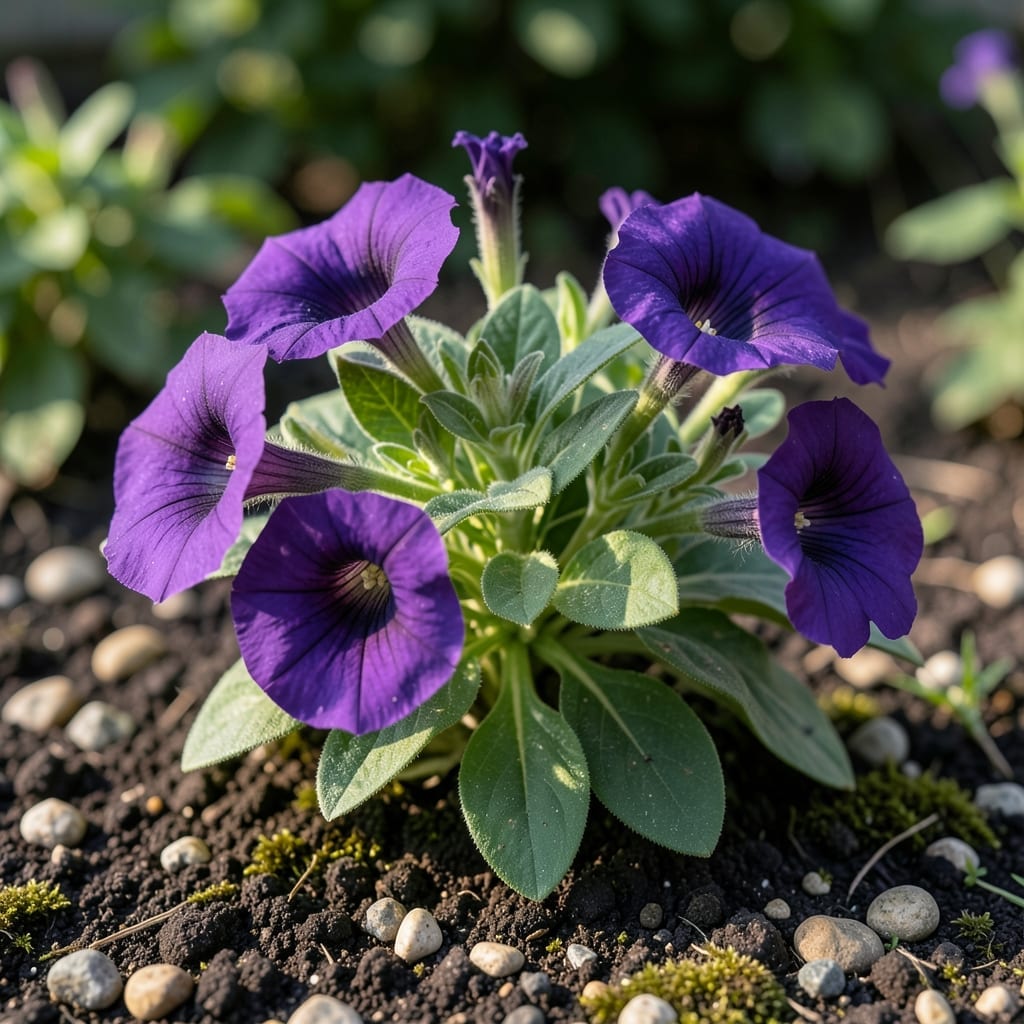
Spotted yellow leaves on your petunias aren’t just ugly—they’re a warning. I’ve learned the hard way that catching problems early means the difference between a full-season bloom and a sad, stunted plant.
The usual suspects show up in different ways: brown spots, white powder, or wilted edges. Each tells you something specific about what’s wrong, whether it’s too much water, not enough air, or a sneaky fungus.
Natural fixes often work better than chemicals for petunias. A simple baking soda spray or removing affected leaves can stop the spread before it wipes out your entire hanging basket or garden bed.
Prevention is easier than cure. Good airflow, morning watering, and cleaning up fallen leaves keep most leaf diseases from ever getting a foothold in the first place.
Understanding the root causes of petunia leaf diseases helps you prevent them before they take hold. Below are the most common triggers, explained scientifically and with actionable insights.
Petunias thrive in moderate temperatures (60–75°F) and well-draining soil. When exposed to extreme heat, cold snaps, or waterlogged roots, their immune systems weaken, making them vulnerable to fungal and bacterial infections. High humidity (above 85%) creates a breeding ground for pathogens like Botrytis cinerea (gray mold), while drought stress invites powdery mildew.
Fungal, bacterial, and viral pathogens are primary culprits. Fungi like Alternaria or Phytophthora spread through splashing water, contaminated soil, or infected tools. Bacteria such as Pseudomonas syringae enter through wounds or stomata, often carried by insects or rain. Viruses (e.g., Tobacco Mosaic Virus) hitch rides on aphids or garden debris.
Insects like aphids, whiteflies, and spider mites don’t just feed on petunias—they create entry points for diseases. Their piercing mouthparts damage cell walls, allowing pathogens to invade. Additionally, honeydew (a sticky substance excreted by pests) fosters sooty mold, a secondary fungal issue.
Overcrowding plants reduces airflow, trapping moisture and encouraging fungal growth. Overhead watering wets foliage, promoting spore germination. Using non-sterilized potting mix or reusing infected containers introduces pathogens directly to healthy plants. Even excessive nitrogen fertilization can lead to soft, disease-susceptible growth.
When your petunias show signs of leaf trouble, quick action can save your plants. Below are practical fixes for common issues, paired with prevention tips to keep your garden thriving.
Remove infected leaves and space plants farther apart to boost circulation. Apply a baking soda spray (1 tsp baking soda + 1 quart water + a few drops of dish soap) weekly. Prevention: Water early in the day so foliage dries fast, and avoid overhead watering.
Cut off spotted leaves with clean shears and dispose of them (don’t compost). Treat with copper fungicide or neem oil. Prevention: Keep the garden debris-free and rotate crops yearly to break disease cycles.
Aphids or spider mites? Blast them off with water or use insecticidal soap. For severe cases, introduce beneficial insects like ladybugs. Prevention: Inspect leaves regularly and encourage biodiversity to deter pests.
Yellowing leaves? Test soil and amend with a balanced fertilizer (10-10-10) or compost. For iron deficiency, add chelated iron. Prevention: Use slow-release fertilizer and monitor pH (6.0–7.0 for petunias).
💡 Pro Tip: Always sterilize tools between cuts to avoid spreading pathogens!
Brown spots often signal fungal infections like leaf spot or blight. Overhead watering and poor airflow are common triggers. Remove affected leaves and treat with copper fungicide or neem oil.
Yes! Overwatering creates soggy conditions that encourage fungal growth. Always water at the base and ensure well-draining soil. Morning watering allows foliage to dry quickly.
White powder is usually powdery mildew. Improve airflow by spacing plants and pruning dense growth. A weekly baking soda spray can help prevent it.
Aphids and spider mites damage leaves and spread diseases. Use insecticidal soap or introduce beneficial insects like ladybugs. Regular inspection helps catch issues early.