
Beautiful Plants For Your Interior
Beautiful Plants For Your Interior
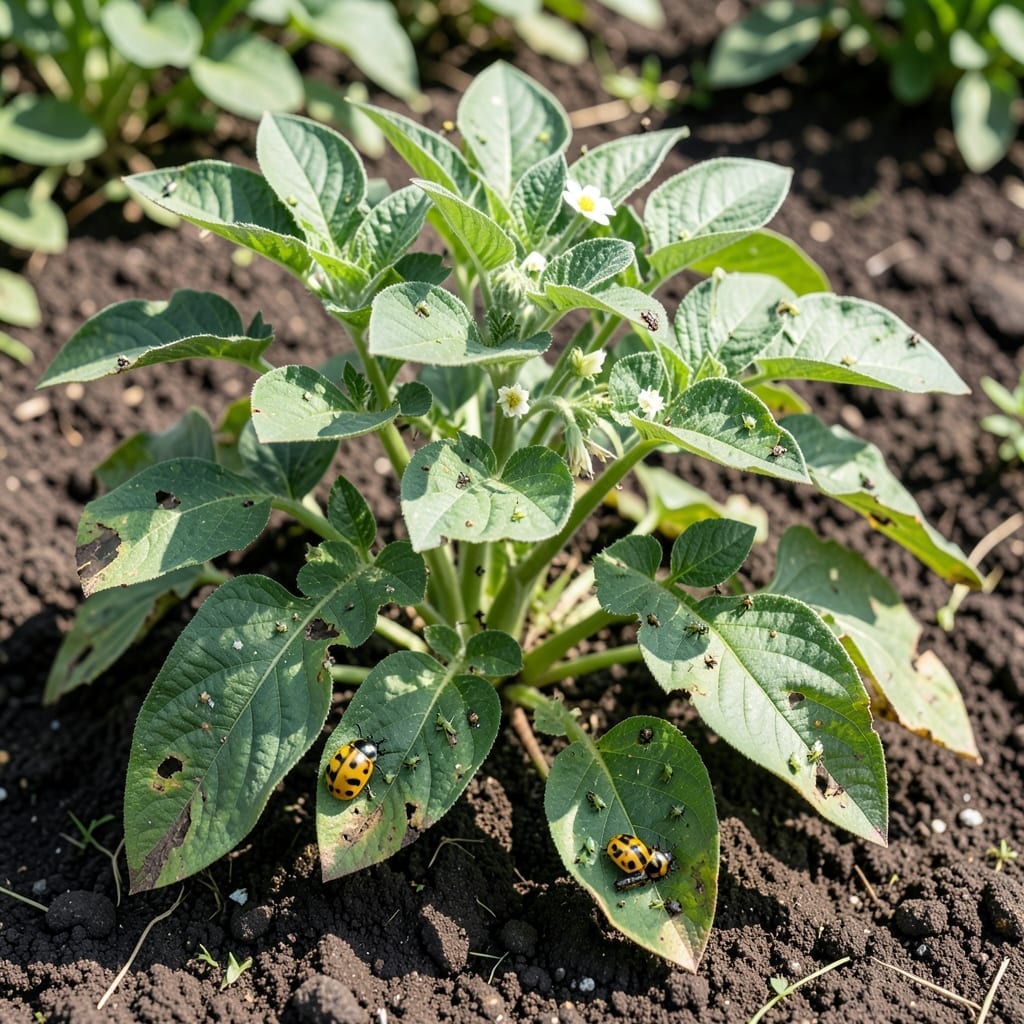
Potato pests can ruin a promising crop overnight. I’ve lost entire harvests to Colorado potato beetles and flea beetles, but natural deterrents have saved my plants since I learned the right approach.
Identifying the culprit early is key—holes in leaves, chewed stems, or yellowing foliage all point to different invaders. The good news? Most can be managed without harsh chemicals. Simple barriers and companion plants often do the trick.
My potatoes now thrive with neem oil sprays and row covers. The plants stay healthy, and I avoid the frustration of watching my crop get devoured before harvest.
Works for backyard plots and container gardens alike. Here’s how to keep them protected.
Understanding why pests target potatoes helps you prevent infestations before they start. These invaders are drawn to specific conditions—often ones we inadvertently create. Below are the primary causes, explained with actionable insights.
Weak or imbalanced soil lacks the natural defenses to repel pests. Potatoes thrive in well-draining, nutrient-rich soil with a pH of 5.0–6.5. When soil is compacted, waterlogged, or deficient in organic matter, plants become stressed, emitting chemical signals that attract pests like wireworms and potato cyst nematodes. Solution: Amend soil with compost and avoid over-fertilizing with nitrogen, which softens plant tissues and makes them more vulnerable.
Excess moisture doesn’t just drown roots—it invites pests. Fungus gnats and slugs thrive in damp environments, while Colorado potato beetles lay eggs in moist soil. Potatoes need consistent but moderate moisture (1–2 inches per week). Solution: Use drip irrigation to keep foliage dry and water early in the day to allow soil to dry slightly between waterings.
Planting potatoes in the same spot year after year allows pests to overwinter in the soil and return with vengeance. Pests like nematodes and fleabeetles build up populations when their host plant is always available. Solution: Rotate potatoes with non-host crops (e.g., beans, corn) for at least 3 years to disrupt pest life cycles.
A garden lacking plant diversity is a buffet for pests. Monocultures (growing only potatoes) eliminate natural predators like ladybugs and ground beetles that feed on potato pests. Solution: Interplant potatoes with repellent companions like marigolds, basil, or garlic to confuse pests and attract beneficial insects.
Keeping your potato plants free from pests starts with quick action and smart prevention. Below are targeted solutions for common invaders, along with tips to stop them from coming back.
Use a strong spray of water from a hose to dislodge aphids from leaves. For stubborn infestations, apply neem oil or insecticidal soap every 5-7 days. Prevention tip: 💡 Encourage ladybugs—natural predators—by planting marigolds or dill nearby.
Check leaves daily and remove beetles, larvae, and eggs by hand (drop them in soapy water). Apply kaolin clay or diatomaceous earth around plants to deter adults. Prevention tip: ✨ Rotate crops yearly and use floating row covers early in the season to block access.
Spider mites thrive in dry conditions. Mist plants regularly and introduce predatory mites (like Phytoseiulus persimilis). For immediate action, spray with water and a few drops of dish soap. Prevention tip: 🌡️ Avoid overhead watering to reduce dusty conditions they love.
Place beer traps (shallow dishes filled with beer) or copper tape around beds to repel these slimy pests. Handpick them at dawn or dusk when they’re most active. Prevention tip: 🎯 Keep garden beds free of debris where they hide during the day.
Lay mulch or reflective silver plastic around plants to confuse and deter flea beetles. For severe cases, apply pyrethrin-based sprays (organic and fast-acting). Prevention tip: 🔥 Plant radishes as a trap crop—flea beetles prefer them over potatoes.
Consistency is key! Combine these fixes with healthy soil practices and regular inspections to keep your potato patch thriving pest-free.
Look for yellowing leaves, holes, or chewed edges on foliage. Small black spots or sticky residue may indicate aphids. Early detection means easier control.
Yes! Neem oil and diatomaceous earth are highly effective against many pests. Companion planting with marigolds or basil also deters invaders naturally.
Inspect leaves and stems daily during warm weather, especially for Colorado potato beetles. Weekly checks are sufficient in cooler months.
Avoid reusing soil for 3 years if pests like nematodes were present. Rotate crops and amend with compost to restore soil health.