
Beautiful Plants For Your Interior
Beautiful Plants For Your Interior
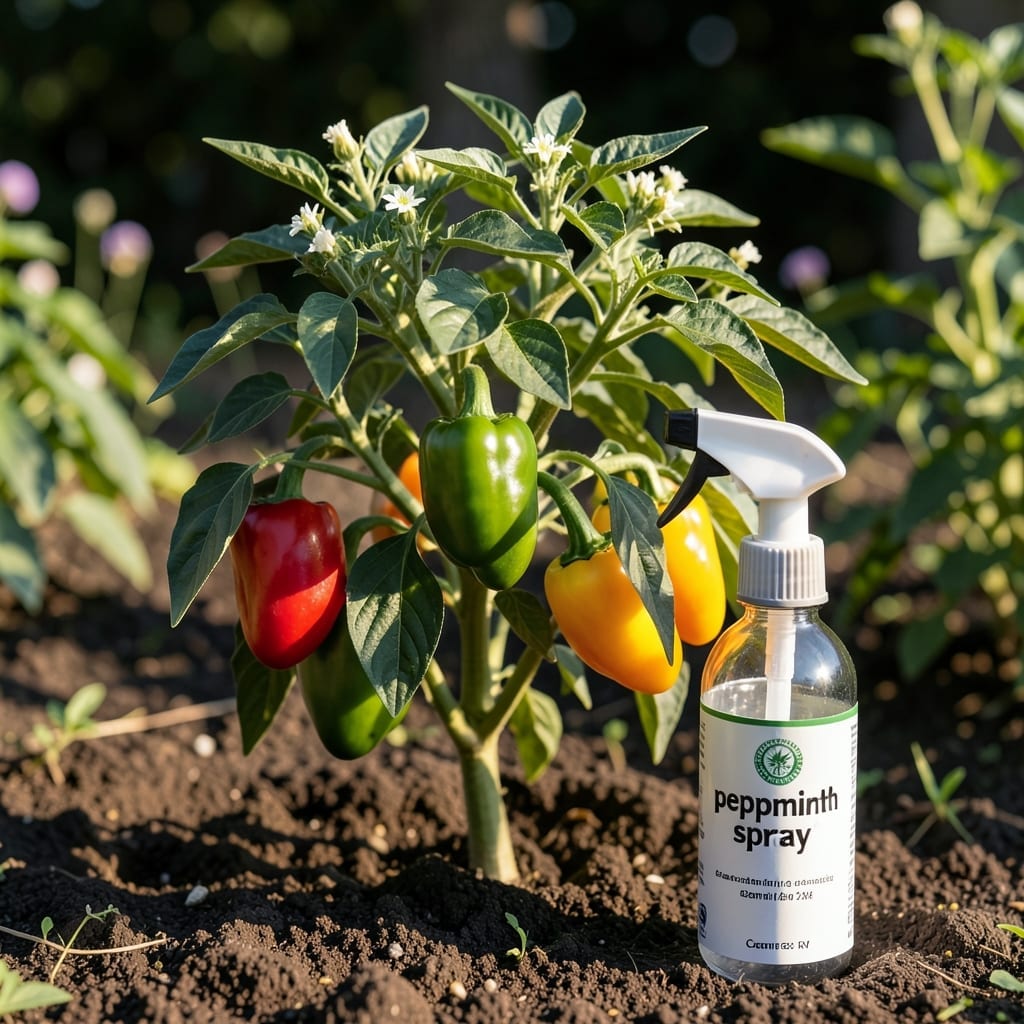
I lost half my basil to spider mites last summer. This year, I’m using a peppermint spray to keep pests off my plants naturally.
It’s simple: mix 10 drops of peppermint oil with water and a dash of soap. The strong scent repels aphids, ants, and even squirrels without harsh chemicals.
Spray it on foliage every 1-2 weeks or after rain. The leaves stay healthy and pest-free, and the smell is a bonus.
Works for indoor and outdoor plants, and it’s safe for most varieties. Here’s how to make it right.
Understanding why pests target your plants is the first step in using peppermint spray effectively. Here are the primary causes:
Pests thrive in dense, humid environments where air circulation is limited. When plants are packed too closely, moisture lingers on leaves, creating a breeding ground for aphids, spider mites, and whiteflies. Action: Space plants properly and prune excess foliage to improve airflow.
Overwatered soil or soggy foliage attracts fungus gnats, slugs, and other moisture-loving pests. Stagnant water also weakens plant defenses, making them more susceptible to infestations. Action: Water at the base of plants and let the soil dry slightly between waterings.
Plants under stress—from nutrient deficiencies, extreme temperatures, or physical damage—emit distress signals that draw pests. Aphids, for example, are drawn to plants with high nitrogen levels or soft, new growth. Action: Strengthen plants with balanced fertilization and avoid over-fertilizing with nitrogen.
In gardens lacking biodiversity, pest populations grow unchecked. Without ladybugs, lacewings, or birds to control them, pests like aphids and mealybugs multiply rapidly. Action: Introduce beneficial insects or use peppermint spray as a non-toxic deterrent to disrupt pest activity.
Peppermint spray can tackle several common plant problems, but knowing how to apply it correctly makes all the difference. Below are targeted solutions for specific issues, along with prevention tips to keep your plants thriving.
Mix 10-15 drops of peppermint essential oil with 1 cup of water and a few drops of dish soap (as an emulsifier). Shake well and spray directly on leaves, especially the undersides where pests hide. Reapply every 3-5 days or after rain.
Prevention: Inspect plants regularly for early signs of pests like aphids or spider mites. Keep the garden clean to remove hiding spots.
Combine 15 drops of peppermint oil with 1 cup of water and 1 teaspoon of baking soda. Spray affected areas lightly, avoiding over-saturation. Use in the early morning to allow foliage to dry quickly.
Prevention: Improve air circulation around plants and avoid overhead watering to reduce moisture buildup.
Soak cotton balls in peppermint oil and place them around the base of plants. Alternatively, spray a diluted solution (5 drops per cup of water) on the soil surface to deter burrowing pests.
Prevention: Rotate crops annually and use mulch to disrupt pest life cycles.
💡 Pro Tip: Always perform a patch test on a small section of your plant before full application to ensure no adverse reactions. Store solutions in a cool, dark place for up to 2 weeks.
Reapply every 3-5 days for active pest issues, or every 1-2 weeks for prevention. Always spray after rain, as water washes away the solution.
Most plants tolerate it well, but test on a small area first. Avoid delicate plants like ferns or young seedlings. The soap in the mix can sometimes cause leaf burn.
The strong scent masks plant odors that attract insects. Pests like aphids and ants dislike the menthol and avoid treated areas.
Yes, keep it in a cool, dark place for up to 2 weeks. Shake well before each use, as oil and water will separate over time.