
Beautiful Plants For Your Interior
Beautiful Plants For Your Interior
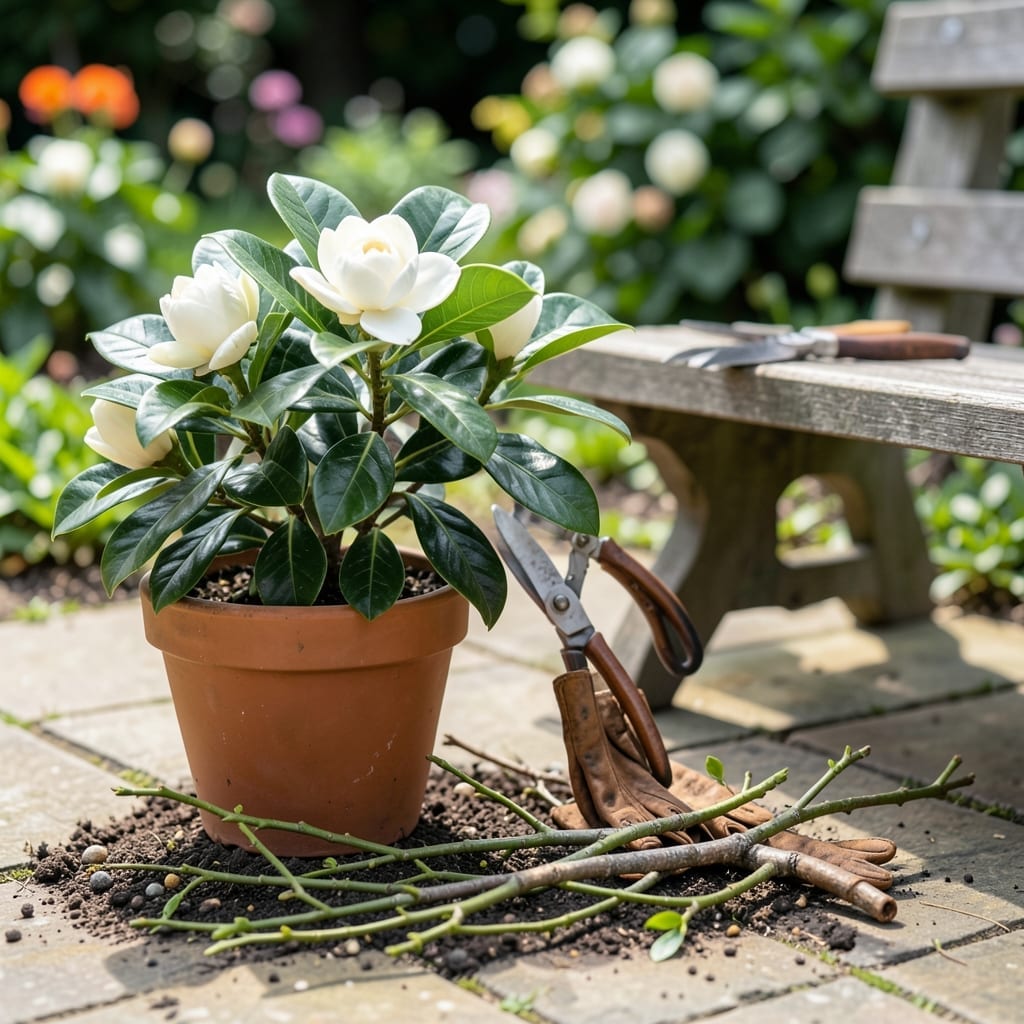
Pruning gardenias at the right time is crucial for vibrant blooms and healthy growth. Do it wrong, and you might accidentally cut off this season’s flowers on your 🌸 Gardenia.
Timing makes all the difference, especially in zones 8-11 where these plants thrive. The key is understanding their natural cycle to avoid disrupting next year’s blossoms.
Let me show you exactly when to pick up those shears. Discover the best approach for your climate and how to keep your gardenias looking their best year after year.
Timing your gardenia pruning right is the secret to next year’s vibrant blooms. These evergreen shrubs set their flower buds in late summer and fall for the following year.
If you prune too late, you’ll remove flower buds and sacrifice blooms. I always aim to prune my gardenias right after their spring flowering finishes.☀️
| Pruning Stage | Best Time | Purpose |
|---|---|---|
| Main Pruning | After blooming | Shape plant, remove dead wood |
| Light Trim | Control size, encourage bushiness | |
| Avoid | Late summer-fall | Prevents cutting flower buds |
| Winter | Never | Protects from cold damage |
In USDA zones 8-11, gardenias bloom from late spring to early summer. I wait until all flowers have faded before making any major cuts.
This usually falls between June and July for most regions. The plant then has plenty of time to produce new growth and set buds for next year.
For gardenias in cooler climates, I finish pruning by early August. This gives the plant enough time to harden off before winter.
In warmer regions, you might have a second bloom period in fall. If so, prune lightly after this second flowering, but avoid heavy pruning.
Remember, never prune in winter or late fall. The plant is dormant, and cuts won’t heal properly. This can lead to disease or cold damage.
I’ve found that light shaping can be done in early spring, but only to remove winter damage. Save major pruning for after the main bloom period.
This approach ensures your gardenia stays healthy and produces the most Beautiful flowers possible.✂️
Once you’ve timed it right, the next step is doing it properly. I always start by gathering the right tools: sharp bypass pruners and clean gloves. Dull blades can tear stems and invite disease.
I begin by removing any dead or diseased wood first. Then, I shape the plant by cutting back about 1/3 of the current growth. This encourages bushier growth and better air circulation.☀️
When making cuts, I always angle them at 45 degrees just above a leaf node. This helps water run off and prevents rot at the cut site. Never leave stubs, as they can become entry points for pests.
For larger gardenias, I may use loppers for thicker branches. But for most home gardeners, hand pruners are sufficient.
After pruning, I give my gardenias a deep watering and a light application of balanced fertilizer. This helps the plant recover and encourages new growth. Avoid heavy feeding right after pruning.
I also take this opportunity to remove any suckers at the base of the plant. These are weak growths that won’t produce good blooms and can drain energy from the main plant.
With these techniques, your gardenias will bounce back quickly and reward you with lush growth and abundant flowers.✂️