
Beautiful Plants For Your Interior
Beautiful Plants For Your Interior
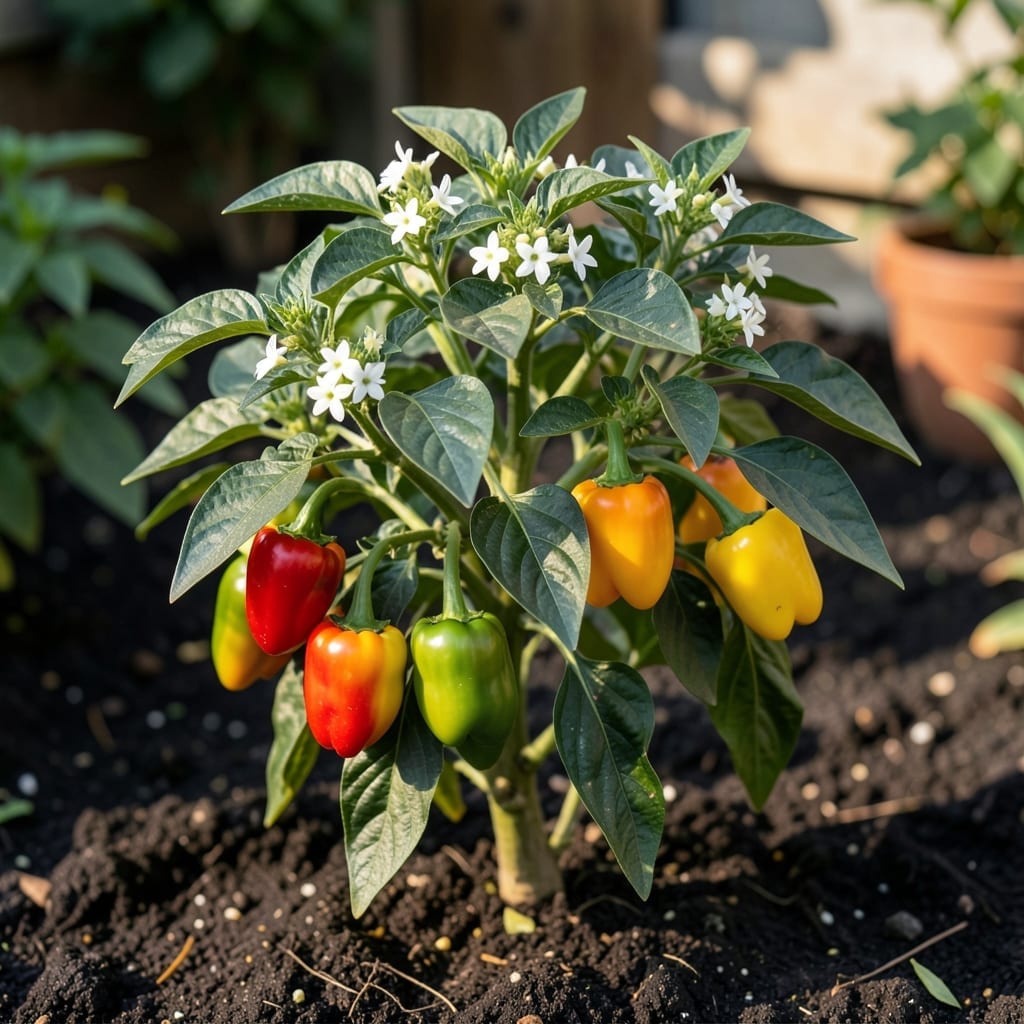
My pepper plants used to sit there, stubborn and stunted, for weeks. Then I figured out the real issue—it wasn’t just bad luck or poor seeds.
Slow growth usually means they’re missing something basic: the right food, enough light, or proper water. Most gardeners overlook the soil first, but that’s where the magic starts. A simple nutrient boost can turn things around in 7-10 days.
I’ve tested countless fixes, and the ones that work are always the simplest. You don’t need fancy equipment—just the right approach at the right time.
Once they get what they need, you’ll see new leaves unfurling and stems stretching upward almost overnight.
Slow growth in pepper plants often stems from several controllable factors. Below are the most common causes, explained with actionable insights.
Pepper plants require a balanced diet of nitrogen, phosphorus, and potassium (NPK), along with micronutrients like magnesium and calcium. A deficiency in nitrogen stunts leaf and stem growth, while phosphorus shortages delay root development and flowering. Yellowing leaves or purple stems often signal a lack of essential nutrients. Conduct a soil test to identify deficiencies and amend with organic fertilizers or targeted supplements.
Both overwatering and underwatering can halt growth. Overwatering suffocates roots, leading to rot and poor nutrient uptake, while underwatering causes stress and wilting. Pepper plants thrive with consistent moisture—water deeply when the top inch of soil feels dry, but ensure proper drainage to avoid waterlogging.
Peppers are sun-loving plants that need 6-8 hours of direct sunlight daily. Inadequate light weakens photosynthesis, slowing growth and reducing yields. If growing indoors or in shaded areas, supplement with grow lights to provide the full spectrum of light they require.
Peppers grow best in warm conditions (70-85°F during the day, 60-70°F at night). Cold snaps or excessive heat can shock the plant, stunting growth. Use row covers for cold protection or shade cloth in extreme heat to maintain optimal temperatures.
Pests like aphids, spider mites, or whiteflies sap plant energy, while diseases such as blight or powdery mildew weaken overall health. Regularly inspect leaves and stems, and treat infestations with neem oil or insecticidal soap. Prevent diseases by improving airflow and avoiding overhead watering.
If your pepper plants are growing slow, targeted fixes can get them back on track. Below are practical solutions for common causes, along with prevention tips to keep your plants thriving.
Yellow leaves or stunted growth often signal a lack of nitrogen, phosphorus, or potassium. Use a balanced fertilizer (10-10-10) or a pepper-specific formula to replenish nutrients. For organic options, try compost or worm castings. Prevention tip: 💡 Test soil every 3–4 months to catch deficiencies early.
Peppers need 6–8 hours of sunlight daily. If growing indoors, use grow lights (LED or fluorescent) for 12–14 hours. Move outdoor pots to sunnier spots or trim nearby plants blocking light. Prevention tip: 🌡️ Rotate potted peppers weekly for even light distribution.
Soggy soil suffocates roots, while dry soil stresses plants. Water when the top inch of soil feels dry, and ensure pots have drainage holes. Use mulch to retain moisture. Prevention tip: ✨ Stick your finger in the soil—if it’s damp 2 inches down, skip watering.
Peppers stall below 55°F (13°C) or above 90°F (32°C). Use row covers for cold snaps or shade cloth for heatwaves. Keep indoor plants away from drafts. Prevention tip: 🎯 Aim for a consistent 70–85°F (21–29°C) range.
Check for aphids, spider mites, or fungal spots. Treat pests with neem oil or insecticidal soap, and remove diseased leaves immediately. Prevention tip: 🔥 Maintain airflow by spacing plants 18–24 inches apart.
Feed every 2-3 weeks with a balanced fertilizer during the growing season. Use a 10-10-10 ratio or organic options like compost tea. Over-fertilizing can burn roots, so always follow package instructions.
Yes, if the damage isn’t severe. Move plants to a warmer spot and trim damaged leaves. They’ll rebound in 1-2 weeks with proper care. Avoid cold drafts and maintain 70-85°F for best results.
Yellow leaves often indicate nitrogen deficiency or overwatering. Check soil moisture and adjust watering habits. A soil test can confirm nutrient issues. Add compost or a nitrogen-rich fertilizer to correct it.
Use well-draining, slightly acidic soil (pH 6.0-6.8). Mix in compost or aged manure for nutrients. Heavy clay or sandy soil can stunt growth, so amend as needed.