
Beautiful Plants For Your Interior
Beautiful Plants For Your Interior
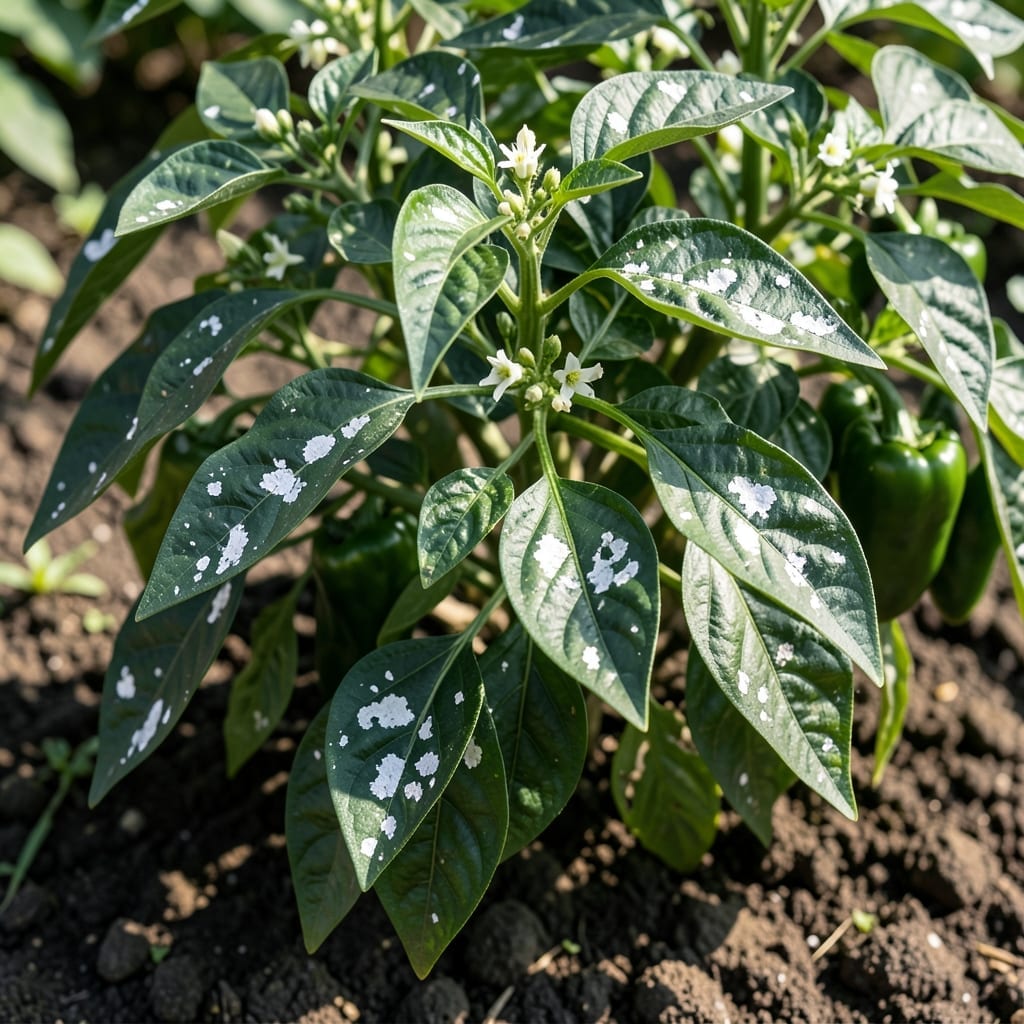
White leaves on your pepper plants aren’t just unsightly—they’re a cry for help. I’ve seen this happen in my own garden, and the solution is often simpler than you’d expect.
From nutrient deficiencies to sneaky pests, the cause usually shows itself in patterns. Yellowing between veins? Probably iron. Sticky residue? Aphids. I check soil moisture with a finger before assuming anything.
Organic fixes work best and won’t harm your harvest. A foliar spray or neem oil application can turn things around in a week. The key is catching it early.
Prevention beats cure every time. Healthy soil, proper spacing, and regular checks keep your plants thriving. My garden journals help track what works each season.
Pepper plant leaves turning white can stem from several underlying issues, each with distinct causes and solutions. Here’s a breakdown of the most common culprits:
This fungal disease thrives in high humidity and poor airflow. White, powdery spots appear on leaves as the fungus Erysiphe or Leveillula spreads, blocking sunlight absorption. It’s common in crowded gardens or greenhouses with stagnant air.
A lack of magnesium or iron can cause chlorosis (white or yellowing between leaf veins). Magnesium is mobile, so deficiency symptoms first appear on older leaves, while iron deficiency hits new growth due to its role in chlorophyll production.
Intense sunlight or sudden temperature spikes can bleach leaves, turning them white or translucent. This often happens when plants are transplanted without acclimation or exposed to reflective surfaces (e.g., white mulch or greenhouses).
Sap-sucking pests like whiteflies, mealybugs, or spider mites leave behind sticky honeydew or stippled damage, which can lead to white discoloration. Whiteflies, in particular, excrete a white, waxy substance on leaf undersides.
Root suffocation from waterlogged soil disrupts nutrient uptake, leading to pale or white leaves. Pepper plants need well-draining soil to prevent root rot, which further inhibits water and mineral transport to the foliage.
White leaves on your pepper plants can often be fixed with a few targeted interventions. Below are practical solutions based on the most common causes, along with prevention tips to keep your plants thriving.
If excessive sunlight is bleaching your pepper leaves, move potted plants to a spot with dappled sunlight or provide shade cloth for in-ground plants. Gradually acclimate them to brighter conditions over a week. Prevention tip: Start seedlings in partial shade and harden them off before full sun exposure. 💡
Mix 1 teaspoon baking soda + 1 quart water + a few drops of dish soap and spray affected leaves every 5–7 days until the issue clears. Remove heavily infected leaves to stop the spread. Prevention tip: Space plants for airflow and water at the base to keep foliage dry. ✨
Water deeply in the early morning to help plants endure heat. Mulch around the base to retain moisture. For extreme heatwaves, use temporary shade or mist leaves lightly in the evening. Prevention tip: Choose heat-tolerant pepper varieties if you live in a hot climate. 🌡️
For whiteflies or spider mites, spray leaves with neem oil or insecticidal soap every 3–4 days until pests are gone. Introduce beneficial insects like ladybugs for long-term control. Prevention tip: Inspect plants regularly and isolate new plants before introducing them to your garden. 🎯
Use a balanced, water-soluble fertilizer (e.g., 10-10-10) to address general deficiencies. For iron or magnesium shortages, apply chelated iron or Epsom salt (1 tablespoon per gallon of water) as a foliar spray. Prevention tip: Test soil annually and amend with compost for steady nutrient supply. 📊
Powdery mildew can spread to nearby plants, but other causes like sunburn or nutrient issues won’t. Isolate affected plants and improve airflow to prevent fungal spread.
Yes! Waterlogged soil prevents nutrient uptake, leading to pale or white foliage. Always use well-draining soil and water only when the top inch feels dry.
With proper treatment, new growth should appear normal within 1-2 weeks. Damaged leaves may not fully recover, but the plant will bounce back.
Spray neem oil every 3-4 days until pests are gone. Focus on leaf undersides where whiteflies hide.