
Beautiful Plants For Your Interior
Beautiful Plants For Your Interior
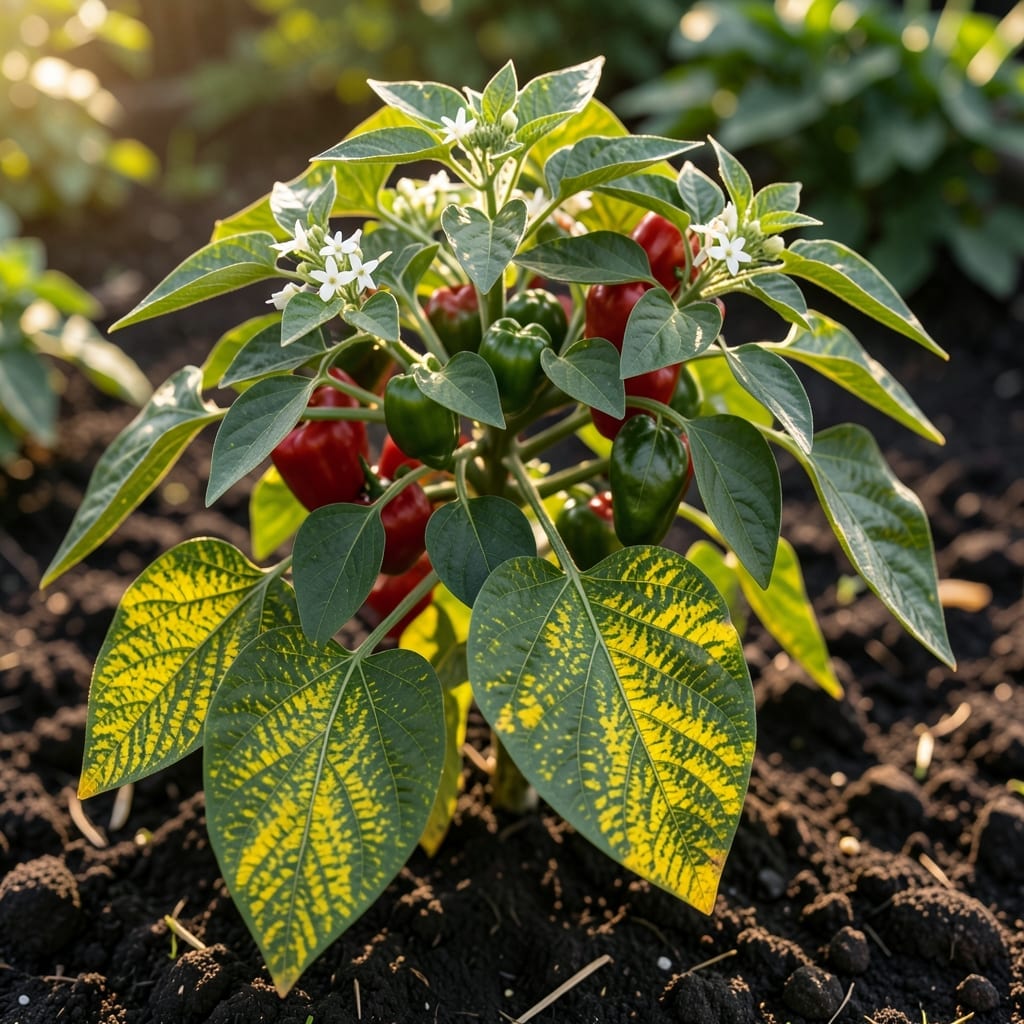
Yellow leaves between the veins caught my eye first—classic sign of trouble. Pepper plants showing this pattern often need magnesium, and I’ve seen it derail a whole harvest if ignored.
This deficiency usually hits older leaves first, turning them yellow while veins stay bright green. The fix is simpler than you’d think: organic soil amendments that restore balance without harsh chemicals.
Epsom salt works fast as a foliar spray, but compost and worm castings provide longer-term solutions. I’ve rescued plants in 7-10 days with the right approach.
Prevention is even easier: test soil before planting and amend with magnesium-rich materials. Your peppers will thank you with vigorous growth and better yields.
Magnesium deficiency in pepper plants often stems from several underlying issues in the soil or growing environment. Understanding these causes helps you address the problem effectively.
Soils naturally low in magnesium, such as sandy or highly leached soils, struggle to provide enough of this essential nutrient. Magnesium is easily washed away by heavy rainfall or excessive irrigation, leaving pepper plants without adequate reserves.
Excess water can leach magnesium from the soil, while waterlogged conditions reduce root efficiency, limiting nutrient uptake. Pepper roots need a balance of moisture and oxygen to absorb magnesium properly.
High levels of competing nutrients like potassium, calcium, or nitrogen can block magnesium absorption. For example, excessive potassium in fertilizer can create an antagonistic effect, making magnesium less available to the plant.
Cold soil temperatures slow down root activity, reducing magnesium uptake. Similarly, compacted soil restricts root growth, limiting access to available magnesium in the soil profile.
Peppers prefer slightly acidic to neutral soil (pH 6.0–7.0). If the pH rises above 7.5, magnesium becomes less soluble, making it harder for plants to absorb, even if it’s present in the soil.
Restoring magnesium to your pepper plants starts with pinpointing the root cause and applying targeted fixes. Below are the most common triggers and their straightforward, organic solutions.
If your soil lacks magnesium, work in 1 tablespoon of Epsom salt per gallon of water as a foliar spray or soil drench every 2 weeks until leaves regain their deep green color. For long-term health, mix compost or well-aged manure into the top 6 inches of soil before planting. Prevention tip: 💡 Test soil annually and amend with dolomitic lime if magnesium levels are chronically low.
Soggy roots can’t absorb magnesium. Let the top inch of soil dry between waterings and ensure pots have drainage holes. If the issue persists, transplant peppers into a raised bed or container with a loose, well-draining potting mix. Prevention tip: ✨ Use mulch to retain moisture without waterlogging.
Peppers absorb magnesium best when soil pH is between 6.0 and 6.8. If your soil is too acidic, add garden lime; if it’s alkaline, mix in elemental sulfur. Always retest pH after amending. Prevention tip: 🎯 Adjust pH gradually—sudden changes can shock plants.
Excess calcium or potassium can block magnesium uptake. Flush the soil with water to remove excess salts, then rebalance with a complete organic fertilizer rich in micronutrients. Prevention tip: 🌿 Rotate crops yearly to prevent nutrient depletion.
With Epsom salt foliar spray, you may notice greener leaves in 7-10 days. Soil amendments like compost take 2-3 weeks to show results as roots absorb the nutrients gradually.
Yes, but sparingly. Apply 1 tablespoon per gallon of water monthly as a soil drench. Overuse can cause salt buildup, so always test soil first to avoid imbalances.
Magnesium is mobile in plants, so the nutrient moves from older leaves to new growth when supplies are low. This is why deficiency symptoms appear first on lower, mature leaves.