
Beautiful Plants For Your Interior
Beautiful Plants For Your Interior
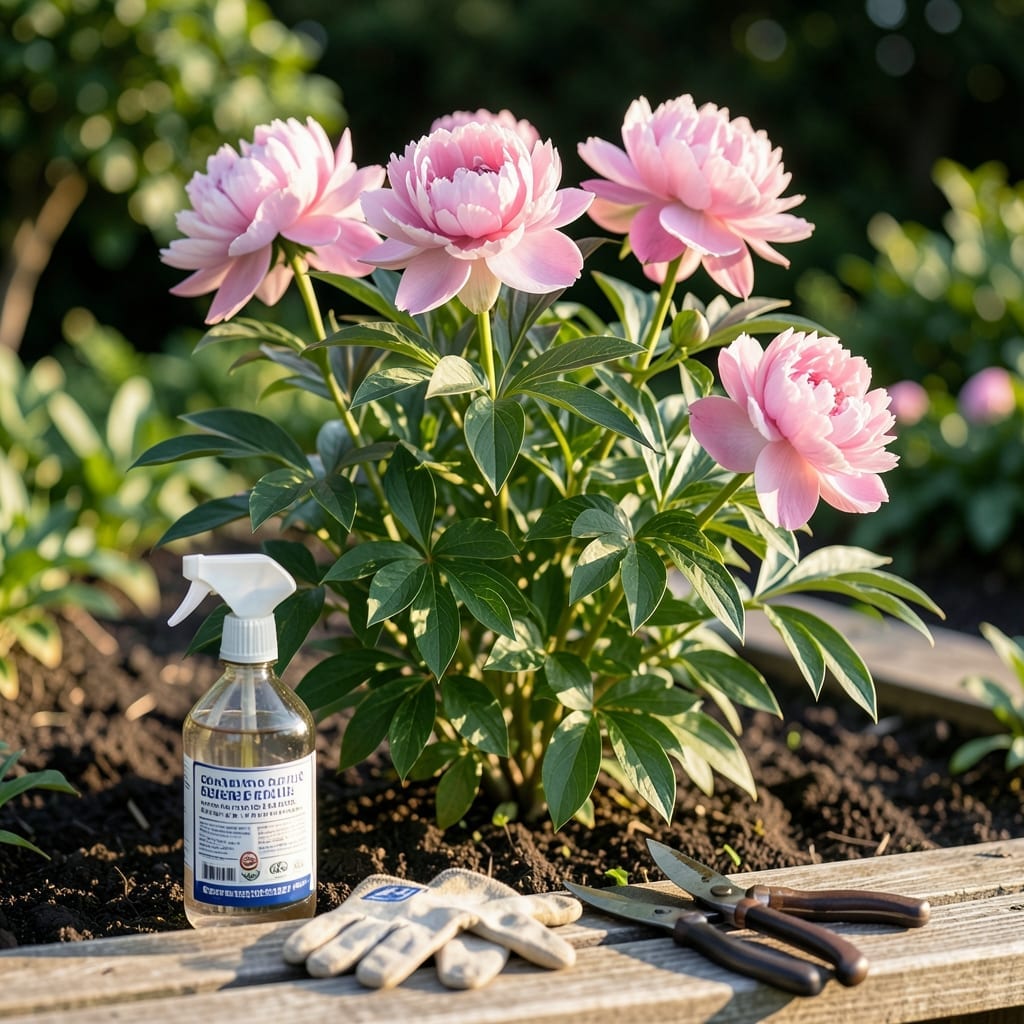
My peonies looked doomed last spring until I discovered the right approach. Fungal issues like botrytis and powdery mildew can turn lush plants into sad, spotted messes overnight.
Here’s the thing—most treatments focus on symptoms, not causes. I learned that air circulation, proper spacing, and early morning watering prevent most problems before they start.
With organic sprays and a few simple habits, you can revive infected plants and protect next year’s blooms. The transformation from sickly to vibrant happens faster than you’d expect.
Works for established gardens and new plantings alike. Let’s get those peonies thriving again.
Peony fungus, often caused by Botrytis paeoniae or other pathogens, thrives under specific conditions. Understanding the root causes helps prevent outbreaks and keeps your plants vibrant. Below are the most common triggers:
Fungal spores flourish in damp environments. Overhead watering, poor drainage, or prolonged rain can create ideal breeding grounds. Peonies with dense foliage trap moisture, accelerating spore growth. Action: Water at the base early in the day to allow foliage to dry quickly.
Humid climates or crowded plantings restrict airflow, promoting fungal spread. Stagnant air prevents moisture from evaporating, giving pathogens a foothold. Action: Space plants 3–4 feet apart and prune overcrowded stems for better circulation.
Fallen leaves, dead stems, and plant debris harbor fungal spores over winter. These spores reactivate in spring, infecting new growth. Action: Remove and destroy all plant debris in fall to break the disease cycle.
Stressed peonies—due to poor soil, nutrient deficiencies, or root damage—are more susceptible to fungal attacks. Healthy plants resist infections better. Action: Fertilize with balanced organic compost and avoid over-fertilizing with nitrogen, which encourages tender, fungus-prone growth.
Tackling peony fungus starts with identifying the issue and applying targeted fixes. Below are practical solutions for common fungal problems, along with prevention tips to keep your plants thriving.
If you notice white, powdery spots on leaves, prune affected areas immediately and dispose of them in the trash (not compost). Thin out dense foliage to boost air circulation, and avoid overhead watering. For severe cases, apply a baking soda solution (1 tbsp baking soda + 1 tsp dish soap + 1 gallon water) weekly.
Prevention: Space plants 3–4 feet apart and water at the base in the morning.
This fungus causes brown spots and wilting. Cut off infected stems below the damage and sanitize pruners with rubbing alcohol. Apply a copper fungicide or neem oil spray every 7–10 days until symptoms fade.
Prevention: Clean up fallen debris in autumn and avoid high-nitrogen fertilizers.
Yellowing leaves and mushy stems signal root rot from soggy soil. Dig up the plant, trim blackened roots, and replant in well-draining soil with added perlite. Reduce watering and ensure pots have drainage holes.
Prevention: Use raised beds or containers and check soil moisture before watering.
💡 Pro Tip: Sterilize garden tools and stakes yearly to prevent fungal spores from spreading. A 10% bleach solution works well!
Apply copper fungicide or neem oil every 7-10 days during active outbreaks. For prevention, treat every 2-3 weeks during wet seasons. Always follow product instructions for best results.
A baking soda spray (1 tbsp baking soda + 1 tsp soap + 1 gallon water) works for mild cases. Apply weekly until symptoms improve. For severe infections, commercial fungicides are more effective.
Water at the base in the early morning to allow foliage to dry quickly. Avoid evening watering, which creates damp conditions that encourage fungal growth.
Improve airflow by spacing plants 3-4 feet apart and pruning dense foliage. Remove all debris in fall and sterilize tools yearly to break the disease cycle.