
Beautiful Plants For Your Interior
Beautiful Plants For Your Interior
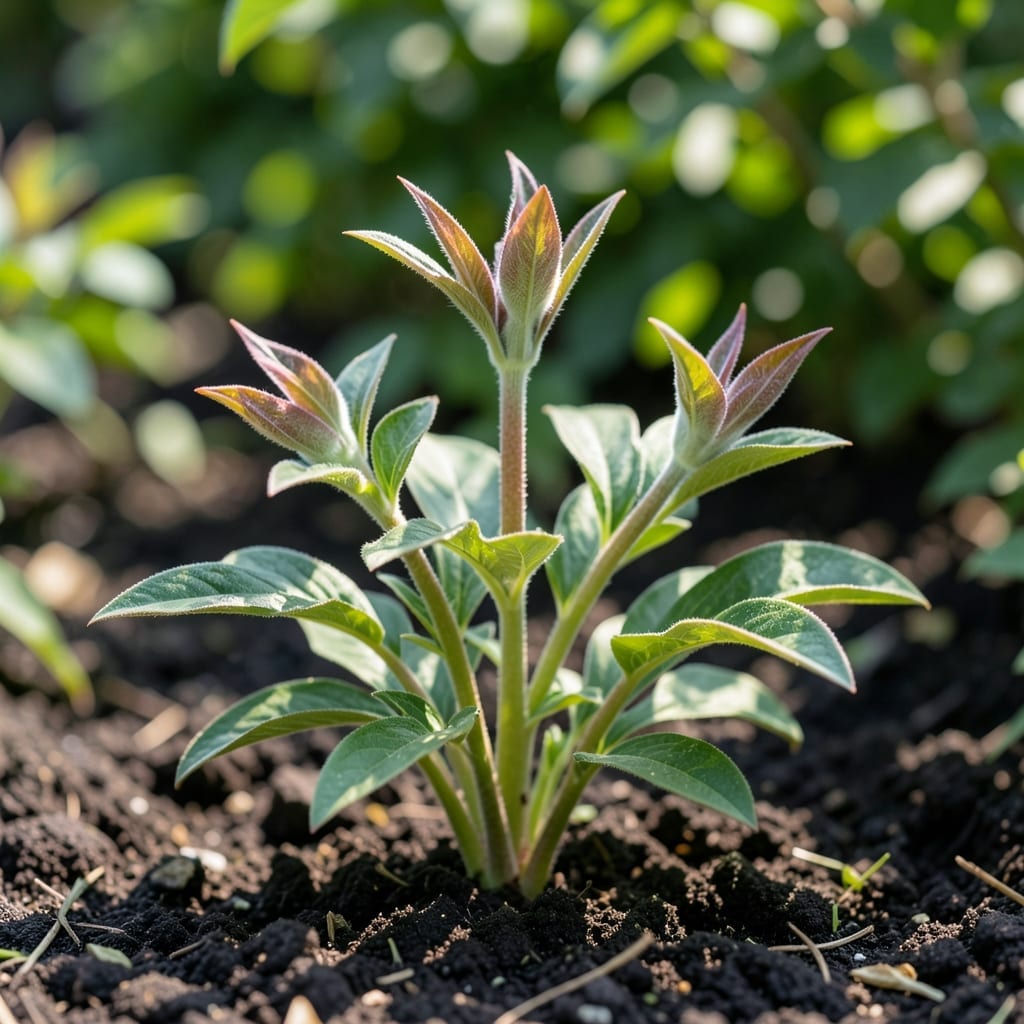
Those first red shoots poking through the soil are pure magic. I remember spotting mine last March and finally understanding why peony season feels like a gift after winter’s gray.
The early growth looks fragile but it’s tougher than it appears. These shoots need consistent moisture without soggy soil, and a 2-3 inch mulch layer protects them from late frosts that can damage new growth.
Healthy shoots appear thick and reddish, gradually turning green as they mature. If they’re pale or mushy, you’re likely overwatering or the soil isn’t draining properly.
This stage sets the foundation for those lush blooms come spring. Get it right now, and you’ll be rewarded with stronger plants and more flowers.
Peonies pushing through the soil ahead of schedule can be surprising, but there are clear reasons behind this early growth. Understanding these causes helps you adjust care and prevent potential issues.
Peonies are triggered to sprout when soil temperatures rise above 40°F (4°C). Unseasonably warm spells or urban heat islands can fool the plant into thinking spring has arrived. This is especially common in regions with unpredictable winters.
If peony roots (or “eyes”) are planted too shallow—less than 2 inches deep—they may emerge earlier than intended. Shallow planting exposes the buds to warmer surface temperatures, accelerating growth. Always ensure proper depth during fall planting.
Overwatering or poor drainage can create a false spring-like environment. Soggy soil retains heat, stimulating roots and encouraging premature shoots. Ensure well-draining soil and avoid waterlogging, especially in late fall or early winter.
Some peony varieties, particularly Paeonia lactiflora hybrids, are more prone to early emergence. Early-blooming cultivars may naturally break dormancy sooner than late-season types. Check your plant’s specific traits if this is a recurring issue.
If your peonies are sprouting too early or struggling as they emerge, these targeted fixes will help them thrive. Address each issue with simple, actionable steps to protect your plants and encourage healthy growth.
If late frosts threaten tender new growth, cover the shoots with frost cloth or a light blanket overnight. Secure it with stakes to avoid crushing the plants. Remove the covering in the morning to allow sunlight and airflow. Prevention tip: 💡 Plant peonies in a sheltered spot or near a south-facing wall to reduce frost exposure.
Peonies hate soggy roots. If your soil stays wet, mix in compost or sand to loosen it up. For potted peonies, ensure the container has drainage holes. Prevention tip: 🎯 Raise beds slightly or avoid planting in low-lying areas where water pools.
Slugs and snails love young peony shoots. Create a copper tape barrier around the planting area or use organic slug bait. For ants (common on peony buds), wipe them off with a damp cloth or apply diatomaceous earth around the base. Prevention tip: ✨ Keep the garden bed clean of debris where pests hide.
If shoots are pale and stretched, they’re likely reaching for more light. Move container-grown peonies to a sunnier spot (6+ hours of sunlight daily). For in-ground plants, trim nearby overhanging branches. Prevention tip: 🌡️ Space peonies at least 3 feet apart to avoid shading each other.
Peony shoots typically emerge in early spring, about 4-6 weeks before blooming. In warmer climates, you may see them as early as late winter. Healthy growth starts as red nubs that gradually lengthen and turn green.
Leave the 2-3 inch mulch layer in place—it protects shoots from late frosts. Only remove it if you see signs of rot or mold. Mulch also retains moisture and suppresses weeds around emerging plants.
Pale, weak shoots often signal overwatering or poor drainage. Check soil moisture—it should feel damp but not soggy. If the problem persists, improve drainage with compost or move to a sunnier spot.
Avoid transplanting once shoots appear—it stresses the plant and may delay blooming. If necessary, do it on a cloudy day and water deeply afterward. Early fall is the best time for transplanting peonies.