
Beautiful Plants For Your Interior
Beautiful Plants For Your Interior
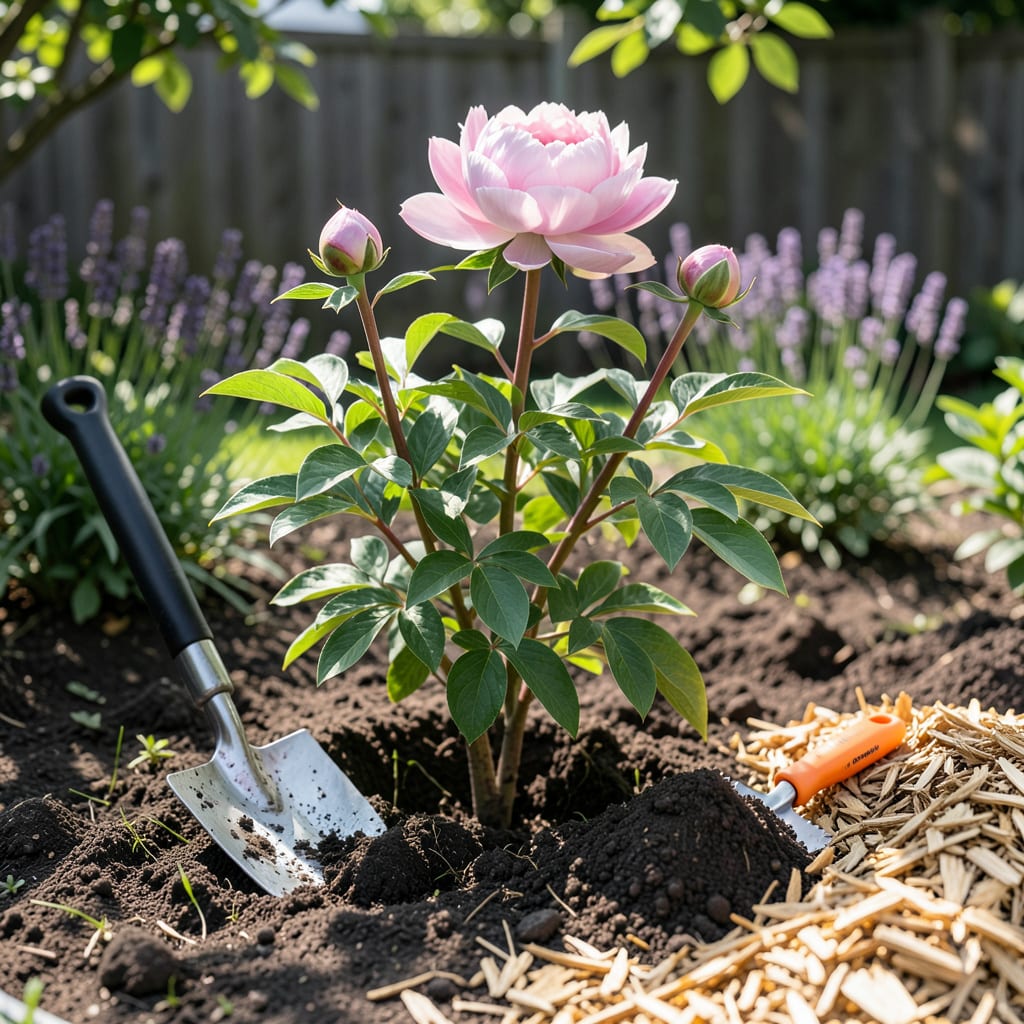
Imagine planting your peonies with high hopes, only to watch them struggle—or worse—fail to bloom come spring. The difference between lush, vibrant 🌸 peonies and disappointing results often comes down to one critical factor: timing.
In Virginia’s zones 7a-8a, fall planting is non-negotiable for success. But nailing that perfect window—before the first frost but after summer’s heat—is where most gardeners stumble. Let’s cut through the guesswork so you can enjoy those show-stopping blooms next May.
If you’ve ever dreamed of a garden bursting with lush peony blooms each spring, timing your planting is absolutely critical. In Virginia’s climate, peonies thrive when planted in early fall, giving roots time to establish before winter. This ensures stronger plants and more vibrant flowers come May and June.
Virginia spans USDA zones 6a–8a, meaning your exact planting window shifts slightly depending on where you live. Coastal areas stay warmer longer, while mountainous regions get earlier frosts. The sweet spot? September through early October for most of the state, with adjustments for microclimates.
| Zone | Ideal Planting Window | Last Safe Date |
|---|---|---|
| 6a (Mountains) | Early September | October 1 |
| 7a (Central VA) | Mid-September | October 15 |
| 8a (Coastal) | Late September–October | November 1 |
💡 Pro Tip: Soil temps should be below 60°F for best root growth. Use a soil thermometer if unsure!
Why does fall planting work so well? Peonies focus on root development in cooler months, not foliage. This gives them a head start for spring blooms. Planting in spring often leads to weaker plants because they’re busy flowering instead of establishing roots.
For bare-root peonies, aim to plant 4–6 weeks before your area’s first frost. In most of Virginia, that means getting them in the ground by mid-October. If you’re planting container-grown peonies, you’ve got a bit more flexibility—just avoid extreme heat or cold.
Virginia’s clay-heavy soil can be tricky, so I always recommend amending with compost or sand to improve drainage. Peonies hate soggy roots! Choose a spot with full sun (6+ hours daily) and space plants 3–4 feet apart for airflow.
After planting, water deeply and add a 2–3 inch mulch layer (straw or shredded leaves work great). This protects roots from Virginia’s temperature swings and locks in moisture. Avoid heavy mulches like wood chips—they can trap too much moisture and rot the stems.
One mistake I see often? Planting peonies too deep. The “eyes” (buds) should be just 1–2 inches below the soil surface. Any deeper, and you’ll get lush foliage but fewer blooms. Use a ruler to check if you’re unsure!
If you miss the fall window, don’t panic—you can plant in early spring, but expect a year of weaker blooms. For best results, mark your calendar now for September planting and enjoy those stunning peony flowers next May! 🌸
Still not sure about your exact timing? Check your local frost dates and count backward 6 weeks. That’s your peony planting deadline. Virginia’s long growing season means you’ve got time to prepare the perfect spot!
Now that you know when to plant, let’s talk about how to plant peonies in Virginia’s unique soil. Our state’s clay-heavy ground can challenge even experienced gardeners, but with the right prep, your peonies will thrive for decades. The key? Focus on drainage, sunlight, and proper depth.
Start by selecting a location with full sun exposure—at least 6 hours daily. In hotter areas like Zone 8, afternoon shade helps prevent stress. Test your soil’s drainage by digging a 12-inch hole and filling it with water. If it drains within an hour, you’re good. If not, we’ll need to amend it.
⚠️ Critical Note: Never use fresh manure—it can burn peony roots. Stick to well-aged compost only!
Spacing matters in Virginia’s humid climate. I recommend 3–4 feet between plants to ensure good airflow, which helps prevent fungal diseases like botrytis blight. If you’re planting multiple rows, space rows 4 feet apart for easy access and maintenance.
After planting, keep the soil consistently moist (but not soggy) for the first 4–6 weeks. This is crucial in Virginia’s often-dry falls. Use a soaker hose to water at the base and avoid wetting the foliage, which can invite disease. Reduce watering as dormancy approaches in late fall.
Virginia’s winters can be unpredictable, so I always add an extra inch of mulch after the first hard frost. This protects the shallow roots from freeze-thaw cycles. Come spring, remove the mulch gradually as new shoots emerge to prevent rot.
One trick I’ve learned for Virginia gardens: If your soil is extremely heavy clay, consider planting peonies in raised beds. Just ensure the bed is at least 12 inches deep to accommodate the long roots. This method gives you more control over soil quality and drainage.
Remember, peonies are long-lived perennials—they can thrive for 50+ years with proper care. That first year, don’t be alarmed if blooms are sparse. By year three, you’ll be rewarded with those iconic, dinner-plate-sized flowers Virginia gardens are famous for! 🌸
Even experienced gardeners can accidentally sabotage their peonies. In Virginia’s humid climate and clay-heavy soil, small errors can mean the difference between spectacular blooms and a disappointing season. Let’s tackle the most common pitfalls I see in Virginia gardens.
The #1 mistake? Planting peonies too deep. Those little “eyes” (buds) should sit just 1–2 inches below the soil surface. Bury them deeper, and you’ll get lush green foliage but zero flowers. Use a ruler to double-check—it’s that important!
💡 Quick Fix: If your peonies aren’t blooming, check depth first. Gently scrape soil away from the crown to expose the eyes.
Virginia’s clay soil is another culprit. Peonies despise poor drainage, and our native soil often holds too much moisture. Always amend with compost and sand before planting. If your yard has standing water after rain, consider raised beds or mounds for better drainage.
Many gardeners also underestimate Virginia’s humidity. Peonies need good airflow to prevent fungal diseases like botrytis blight. Space plants 3–4 feet apart and avoid overhead watering. I recommend a soaker hose to keep foliage dry, especially in our damp falls.
Finally, don’t forget the mulch step. Virginia’s winters can swing from freezing nights to mild days, which confuses peonies. A light mulch of straw or shredded leaves (never wood chips) protects roots without smothering them. Remove it gradually in spring as shoots emerge to prevent rot.
Remember, peonies are marathon plants—they take 2–3 years to hit their stride. If your first year’s blooms are underwhelming, don’t panic! With proper planting and care, they’ll reward you with decades of gorgeous, fragrant flowers that make Virginia gardens shine. 🌸
Spring-planted peonies often struggle to establish strong roots. They’ll focus energy on blooming rather than root growth, leading to weaker plants and fewer flowers. In Virginia, fall planting gives roots 6 weeks to develop before winter dormancy.
You can still plant in early spring, but expect delayed blooms. Water consistently and mulch lightly to help them adjust. For best results, always aim for September-October planting.
Peonies need well-draining soil with a pH of 6.5-7.0. Virginia’s clay soil often holds too much moisture. Test drainage by digging a 12-inch hole and filling it with water. If it drains within an hour, you’re good.
For heavy clay, mix in 2-3 inches of compost and 1 inch of sand before planting. Consider raised beds if your yard has standing water after rain.
Avoid planting peonies under trees or large shrubs. They need full sun (6+ hours daily) and will compete for water and nutrients. In Virginia’s humid climate, poor airflow from nearby plants can also encourage fungal diseases.
Choose an open spot with morning sun. If planting near structures, ensure they won’t create shade as they grow. East-facing locations work well.
The most common cause is planting too deep. Peony “eyes” (buds) should be just 1-2 inches below soil level. Check depth by gently scraping away soil. Other issues include insufficient sun or over-fertilizing.
In Virginia, late frosts can sometimes damage buds. Be patient—peonies can take 3 years to reach full blooming potential.
