
Beautiful Plants For Your Interior
Beautiful Plants For Your Interior
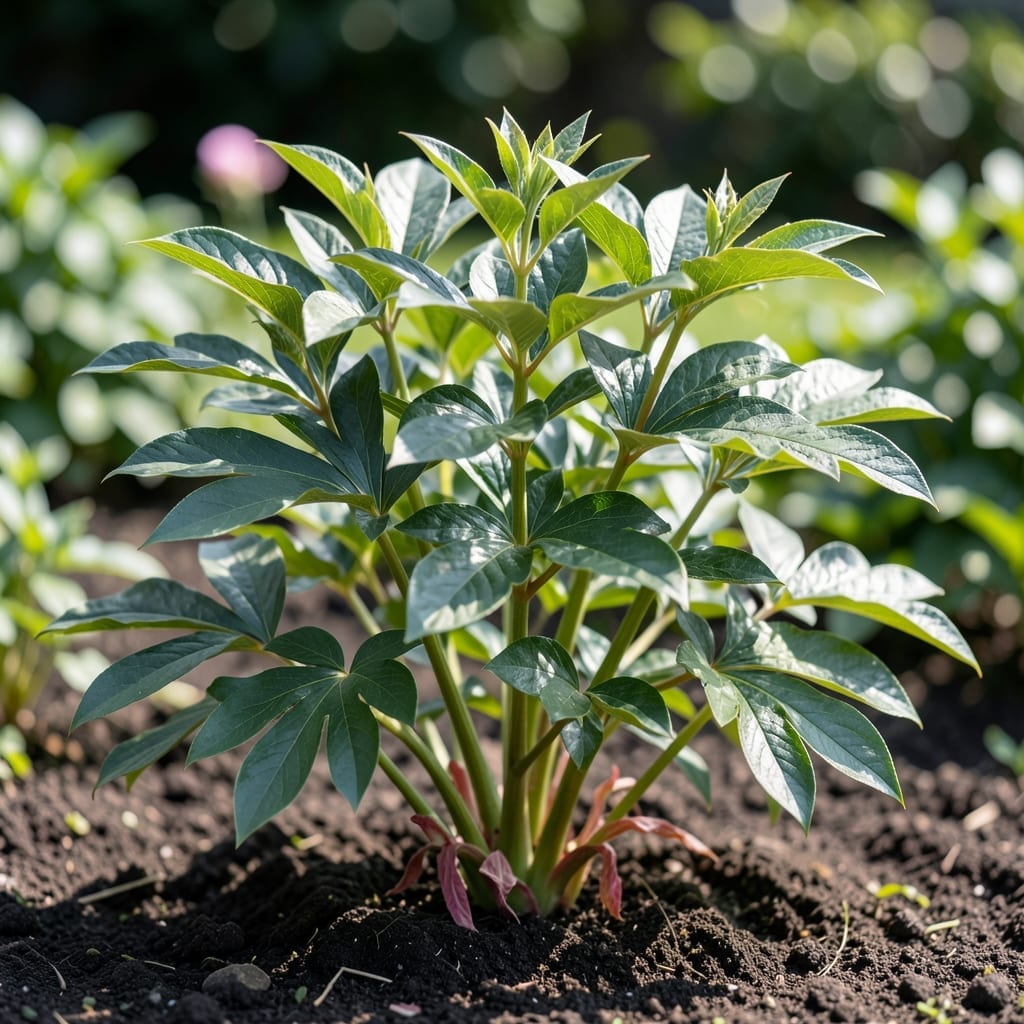
Nothing signals spring’s arrival like the first red shoots of 🌸 Peony pushing through the soil. I remember my first year waiting eagerly, scanning the bare earth for any sign of life.
Timing their emergence can feel like a mystery, but it follows a predictable pattern. Understanding when to expect those tender shoots helps you prepare for the spectacular blooms to come.
Let me share what I’ve learned about the perfect conditions and timeline so you won’t miss this magical moment in your garden.
I’ve found that peony shoots typically emerge in early spring, but the exact timing depends heavily on your USDA hardiness zone. In warmer areas, you might see those red shoots as early as February.
In cooler climates, they often wait until April or May when the soil warms up. The key factor is soil temperature, not just air temperature. When the earth reaches about 40-50°F, that’s your cue to start looking.
| USDA Zone | Emergence Window | Soil Temp Trigger |
|---|---|---|
| 3-4 | Late April-May | 45-50°F |
| 5-6 | Mid April-Early May | 42-48°F |
| 7-8 | March-April | 40-45°F |
In my garden in Zone 6, I start checking for shoots around mid-March. The first signs are tiny red nubs pushing through the soil, often near the crown of the plant. These are actually the new stems for this year’s growth.
I’ve noticed that herbaceous peonies tend to sprout a bit earlier than tree peonies. The herbaceous varieties often show shoots when the last frost date is about 4-6 weeks away. Tree peonies, being woody, might wait until a bit later.
Another factor is snow cover. If you had a heavy winter with persistent snow, your peonies might emerge later. The snow acts as insulation, keeping the soil colder longer. But once it melts, the warming soil triggers growth.
Mulching can also affect timing. A thick layer of mulch might delay emergence by keeping the soil cooler. I recommend removing some mulch from the crown area in early spring to help the soil warm faster.
If you’re in a mild climate like Zone 8, you might see shoots as early as February. But be prepared for late frosts that could damage these tender new growths. I always keep some frost cloth handy just in case.
Remember, these are general guidelines. Microclimates in your garden can create variations. A south-facing slope or a spot near a building might warm up faster, causing earlier emergence in those areas.
I’ve learned to be patient and let nature take its course. Those first peony shoots are worth the wait, promising the spectacular blooms that will follow in late spring and early summer 🌸
I love watching for the first signs of life from my peonies each spring. The red shoots don’t just appear randomly—they follow nature’s cues. By learning these 5 key indicators, you’ll know exactly when to expect them.
It’s all about observing your garden’s conditions and the plant’s behavior. These signs help me predict emergence within a week or two, so I’m never caught off guard by those first tender shoots.
The first sign I check is soil temperature. I use a simple soil thermometer to monitor when it hits that 40-50°F sweet spot. This is the most reliable indicator, as peony roots are very temperature-sensitive.
Next, I look for swollen red buds at the crown. These are the emerging shoots just below the surface. Gently brush away any mulch or debris to spot them. They’ll look like small red bumps or nubs.
I also track the last frost date for my area. Peonies typically sprout 4-6 weeks before this date. In my Zone 6 garden, that means I start seeing shoots in mid-March, with our last frost usually around April 15th.
Consistent daytime temperatures above 50°F also trigger growth. I’ve noticed that when we have a string of warm days, the shoots seem to push through faster, sometimes within just a few days.
Finally, when last year’s foliage has fully decomposed, it’s a sign the plant is ready. This natural cleanup often coincides with the right soil conditions for new growth to begin 🌱