
Beautiful Plants For Your Interior
Beautiful Plants For Your Interior
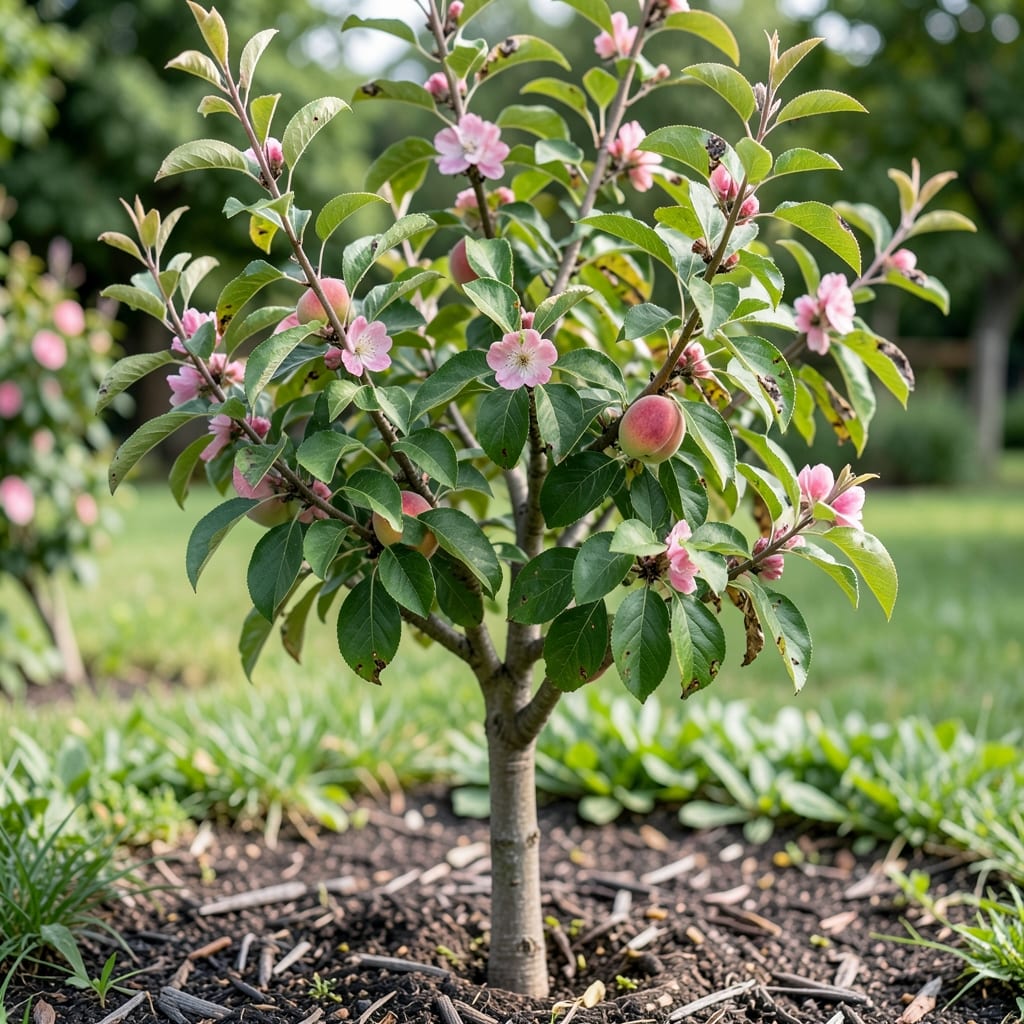
Spotted brown leaves on your peach tree aren’t just ugly—they’re a warning sign. I’ve lost entire crops to leaf diseases that started with just a few spots, so I learned to catch them early.
The good news? Most peach leaf diseases show unique patterns. Some create purple blotches, others leave yellow halos. Once you know what to look for, diagnosis takes 30 seconds with a quick visual check.
Early action saves your tree. Remove infected leaves, improve air circulation, and apply the right treatment. Your peach tree can bounce back stronger next season.
Works for backyard orchards and single trees alike. Here’s how to spot and stop the damage.
Peach leaf diseases don’t appear out of thin air—they’re usually the result of specific environmental, biological, or cultural triggers. Understanding these causes helps you prevent outbreaks before they start. Below are the primary reasons your peach tree’s leaves may fall victim to disease.
Fungal and bacterial pathogens thrive in wet, humid conditions. Overhead watering, prolonged rain, or dense canopy growth creates the perfect breeding ground for diseases like peach leaf curl (Taphrina deformans) and brown rot (Monilinia spp.). When leaves stay wet for 12+ hours, spores germinate and infect tissues. Action: Space trees properly, prune for airflow, and water at the base to keep foliage dry.
Many peach leaf diseases overwinter in fallen leaves, mummified fruit, or bark crevices. For example, Xanthomonas arboricola (bacterial spot) can persist in leaf litter, reinfecting new growth in spring. Action: Rake and destroy (do not compost) infected debris in fall to break the disease cycle.
Cool, wet springs (50–70°F) encourage peach leaf curl, while warm, humid summers favor scab (Cladosporium carpophilum). Sudden temperature drops can also stress trees, weakening their natural defenses. Action: Apply preventive fungicides (e.g., copper sprays) during dormant season and monitor weather forecasts for high-risk conditions.
Diseases spread via pruning tools, infected grafts, or contaminated nursery trees. Pseudomonas syringae (bacterial canker) enters through wounds, while viral diseases like peach yellows may arrive with new plantings. Action: Sterilize tools with 10% bleach solution between cuts and source certified disease-free trees.
Dealing with leaf diseases on your peach trees doesn’t have to be overwhelming. Below are targeted solutions for common issues, along with prevention tips to keep your trees thriving. Act early for the best results!
This fungal disease causes red, puckered leaves. Fix it by removing and destroying infected leaves or branches immediately. Apply a copper fungicide in late winter or early spring before buds swell. For severe cases, repeat after leaf fall.
Prevent it: Improve air circulation by pruning crowded branches. Avoid overhead watering, and clean up fallen leaves to reduce fungal spores.
Brown rot causes brown, shriveled spots on leaves and fruit. Fix it by pruning out infected wood (cut 2-3 inches below the damage) and applying a captan-based fungicide during bloom and as petals fall.
Prevent it: Thin fruit to improve airflow, and remove mummies (dried, infected fruit) from the tree and ground. Harvest ripe peaches promptly to limit spread.
White, powdery patches on leaves signal this fungus. Fix it with a sulfur-based fungicide or neem oil, applied in the evening to avoid leaf burn. Repeat every 7-10 days until symptoms disappear.
Prevent it: Space trees properly for airflow, and water at the base (not the leaves). Choose resistant peach varieties if mildew is a recurring issue.
Small, water-soaked spots with yellow halos indicate bacterial spot. Fix it by pruning infected branches and applying copper-based bactericides at bud break and every 2 weeks during wet weather.
Prevent it: Rotate crops (if applicable), avoid working with wet plants, and disinfect pruning tools between cuts with rubbing alcohol.
💡 Pro tip: Always sterilize tools and dispose of infected plant debris far from your garden to prevent reinfection. Healthy trees start with good hygiene!
Look for red, puckered leaves that appear distorted. This disease often strikes in cool, wet springs and affects new growth first.
Apply fungicides during the dormant season or at bud break. For existing infections, treat immediately and repeat every 7-10 days until symptoms clear.
No, treatments vary by pathogen. Copper fungicides work for peach leaf curl, while sulfur or neem oil tackles powdery mildew. Always identify the disease first.
Ignoring early signs and waiting too long to act. Remove infected leaves immediately and avoid overhead watering to prevent spreading.