
Beautiful Plants For Your Interior
Beautiful Plants For Your Interior
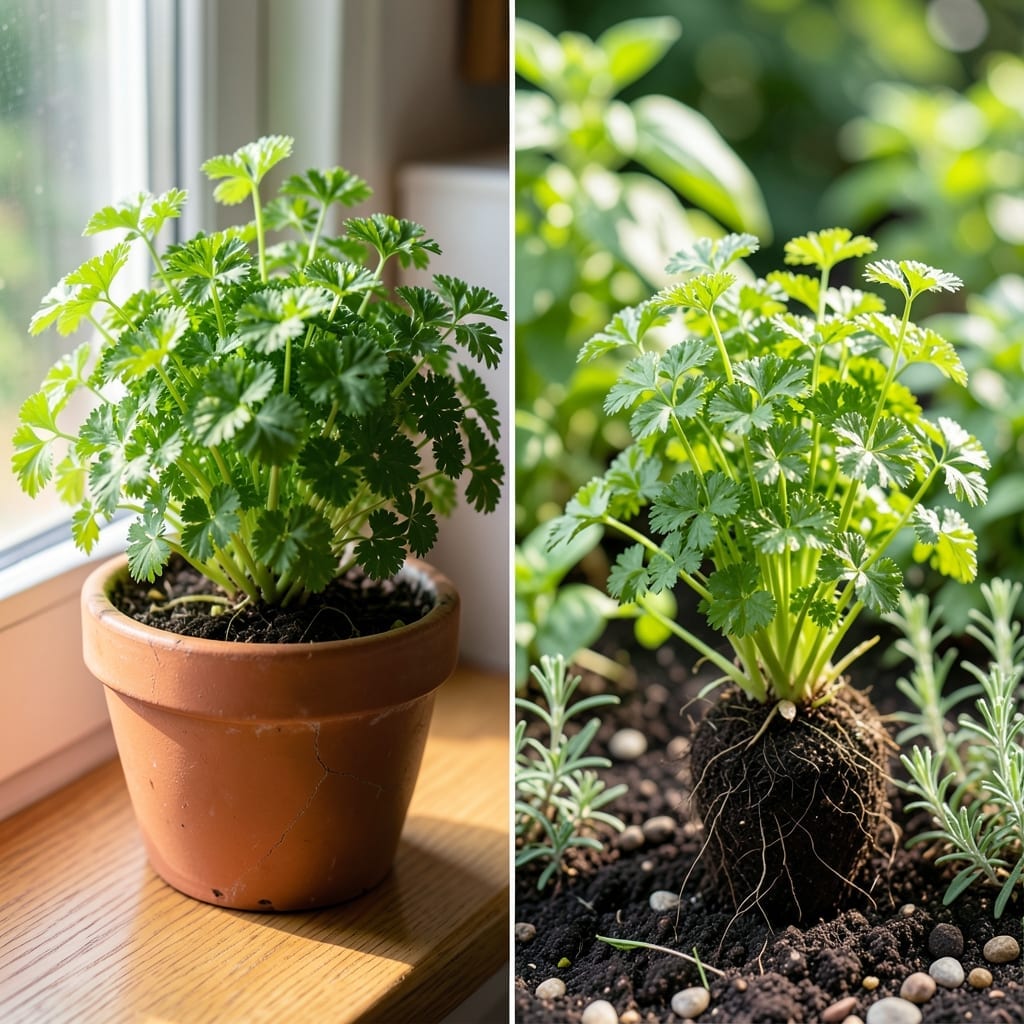
Parsley laughs at light frosts that kill other herbs. I’ve watched mine stay vibrant green through 20°F nights, especially the flat-leaf varieties.
It thrives when planted in early spring or late summer for fall harvests. The secret is well-draining soil and mulch to protect roots when temperatures dip.
📚 In This Guide
Use these methods to help your plants survive cold snaps and keep producing through the season.
Start with varieties known for their resilience. Flat-leaf parsley generally handles cold better than curly types. I’ve found that ‘Italian Flat-leaf’ and ‘Giant of Italy’ can tolerate temperatures down to 10°F with proper protection. These varieties maintain vigor longer into fall and recover faster after light frosts.
Check seed packets or plant tags for cold tolerance notes. If you’re unsure, ask at your local nursery—they’ll know which varieties perform best in your climate. Avoid tender varieties that wilt at the first sign of chill.
Watch forecasts closely as temperatures drop. A light frost (28-32°F) won’t kill parsley, but a hard freeze (below 25°F) can damage foliage and roots. I start preparing when overnight lows dip into the 40s°F—that’s my cue to act.
Cover plants with frost cloth or old bedsheets before sunset to trap daytime heat. Avoid plastic, which conducts cold and can burn foliage. Secure covers with stakes or bricks to prevent wind from whipping them away during the night.
Spread a 2-3 inch layer of organic mulch like straw or shredded leaves around the base of each plant. This insulates the soil, keeping root zones warmer and more stable. I apply mulch after the first light frost but before the ground freezes solid.
Mulch also prevents soil heaving, where freeze-thaw cycles push roots out of the ground. Keep mulch a few inches away from stems to prevent rot. In containers, move pots to a sheltered spot like a garage or porch where temperatures stay above 20°F.
If frost is forecasted, water plants deeply in the morning. Moist soil retains heat better than dry soil, providing a buffer against temperature swings. I’ve seen this simple step prevent wilting in many of my herbs during unexpected cold snaps.
For potted parsley, group containers together and wrap them in bubble wrap or burlap. This creates a microclimate that stays several degrees warmer. If leaves do get damaged, resist the urge to prune immediately—wait until temperatures rise above 40°F to assess the damage.
Once temperatures warm, inspect your plants. Blackened or mushy leaves won’t recover, but healthy green growth indicates the plant will bounce back. I trim away damaged foliage with clean shears to redirect energy to new growth.
Fertilize lightly with a balanced liquid fertilizer to support recovery. Avoid heavy feeding, which can stress already weakened plants. With proper care, parsley often regrows within 2-3 weeks and continues producing until the next hard freeze.
Small adjustments in your approach can significantly improve your plants’ resilience during cold weather.
Variety Selection: Flat-leaf parsley, particularly ‘Italian Flat-leaf’ and ‘Giant of Italy’, can tolerate temperatures down to 10°F with proper protection. Always check seed packets for cold tolerance notes, as these varieties maintain vigor longer into fall and recover faster after light frosts.
Timing Matters: I start preparing when overnight lows dip into the 40s°F—that’s my cue to act. A light frost (28-32°F) won’t kill parsley, but a hard freeze (below 25°F) can damage foliage and roots, so early action is crucial.
Mulching Technique: Apply a 2-3 inch layer of organic mulch like straw or shredded leaves after the first light frost but before the ground freezes solid. This insulates the soil, keeping root zones warmer and preventing soil heaving, which can push roots out of the ground.
Container Care: For potted parsley, move pots to a sheltered spot like a garage or porch where temperatures stay above 20°F. Group containers together and wrap them in bubble wrap or burlap to create a microclimate that stays several degrees warmer.
Yes! Parsley is cold-hardy and can tolerate light frosts (down to 20°F/-7°C). Established plants often bounce back after light freezes, but young seedlings may need protection like row covers or mulch for added warmth.
Use frost cloths, old blankets, or straw mulch to shield plants. Move potted parsley indoors or to a sheltered area. Avoid plastic covers, as they trap moisture and can damage leaves.
If the roots stay intact, parsley often regrows after a light freeze. Trim damaged foliage to encourage new growth. Severe freezes may kill the plant, so consider replanting in spring if needed.
Curly parsley and flat-leaf (Italian) parsley both handle cold well, but flat-leaf tends to be slightly hardier. ‘Giant of Italy’ and ‘Forest Green’ are popular cold-resistant choices for gardeners.
Absolutely! Use a sunny windowsill or grow lights to keep parsley thriving indoors. Ensure good drainage and consistent moisture for best results.