
Beautiful Plants For Your Interior
Beautiful Plants For Your Interior
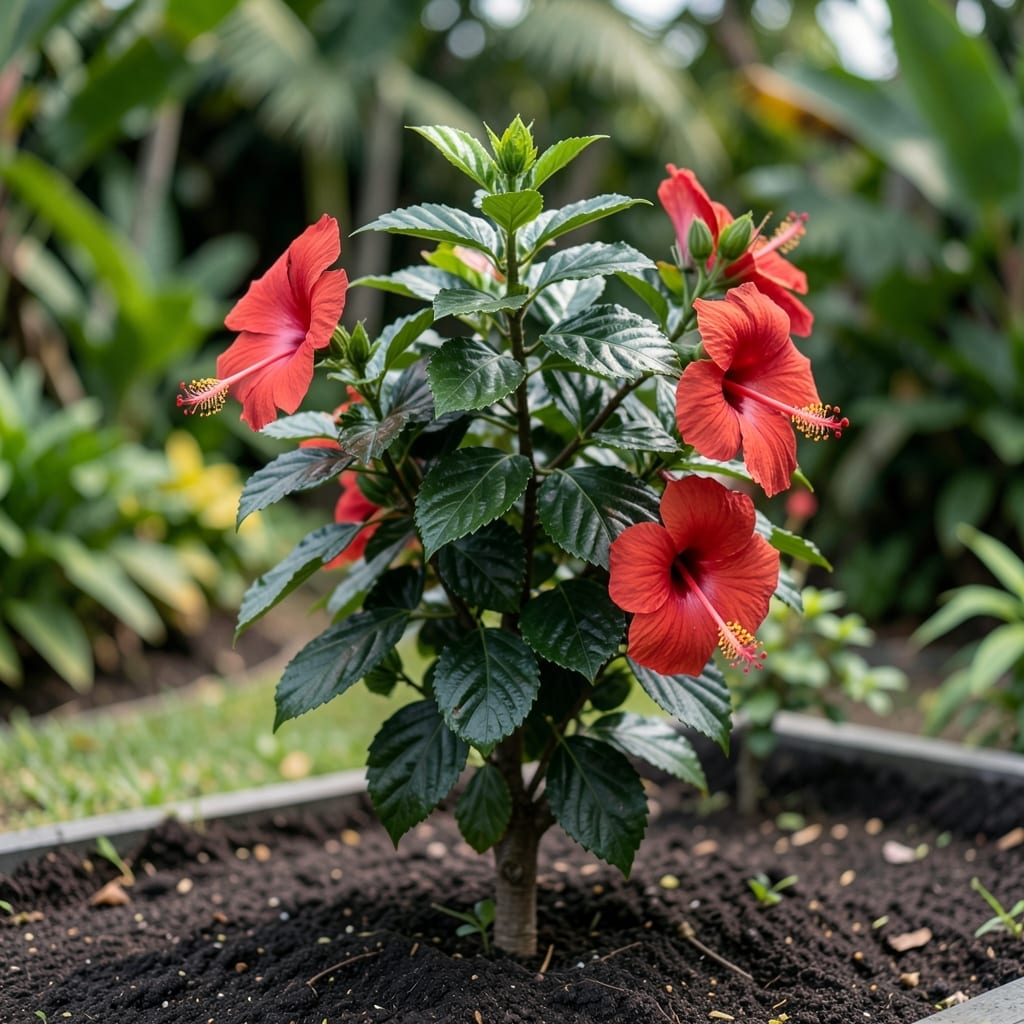
Hibiscus plants bring tropical beauty to any garden, but their temperature needs often puzzle growers. These vibrant 🌺 flowers thrive in warmth but have surprising cold tolerance in the right varieties.
Understanding how hibiscus handles heat and cold can make the difference between lush blooms and a struggling plant. Some types can survive down to 20°F while others wilt in mild chills.
Discover which varieties suit your climate and how to protect them through every season. Let me show you the secrets to keeping your hibiscus happy year-round.
Not all hibiscus plants are created equal when it comes to cold tolerance. While tropical varieties like Hibiscus rosa-sinensis shiver at the mere thought of frost, some hardy types laugh in the face of winter.
I’ve found that Hibiscus moscheutos and Hibiscus syriacus lead the pack for cold resilience. These can survive temperatures as low as -20°F to -30°F when properly established. ☀️
| Variety | Minimum Temperature | USDA Zones |
|---|---|---|
| Hibiscus moscheutos | -20°F to -30°F | 4-9 |
| Hibiscus syriacus | -15°F to -25°F | 5-9 |
| Hibiscus coccineus | 10°F to 20°F | 6-9 |
| Hibiscus rosa-sinensis | 30°F to 40°F | 9-11 |
The swamp rose mallow (Hibiscus moscheutos) is my top pick for northern gardens. It thrives in USDA zones 4-9 and can handle wet soil conditions that would drown other plants.
For those in zone 5, Hibiscus syriacus (Rose of Sharon) is a stellar choice. I’ve seen it survive sub-zero temperatures with just a thick layer of mulch for protection. 🌱
If you’re in warmer climates (zones 9-11), tropical hibiscus like Hibiscus rosa-sinensis will flourish. But remember, these beauties need frost protection or indoor overwintering.
The Texas star hibiscus (Hibiscus coccineus) bridges the gap between hardy and tropical. It tolerates 10°F to 20°F and thrives in zones 6-9, making it perfect for southern gardens.
When selecting a variety, always check the USDA zone map for your area. I recommend choosing a hibiscus that’s hardy to at least one zone colder than your region for extra security.
Remember that microclimates matter too. A south-facing wall or urban heat island can provide just enough warmth to push a borderline-hardy hibiscus through winter. ✂️
For container-growing enthusiasts, even tropical hibiscus can be enjoyed in colder zones. Simply bring pots indoors before the first frost and place them in a sunny window.
Hibiscus plants need protection from both scorching heat and bitter cold. In my experience, even cold-hardy varieties benefit from a little extra care during temperature swings. 🌿
The key is understanding your local climate and your specific hibiscus variety. Tropical types need winter shelter while hardy varieties may just need some mulch protection.
For winter protection, I always apply a 4-6 inch layer of organic mulch around my hardy hibiscus plants. This insulates the roots from freezing temperatures and prevents soil heaving.
When cold snaps hit unexpectedly, frost blankets are my go-to solution. These lightweight covers trap heat from the soil, often providing 4-8°F of protection. Just
Container-grown hibiscus offer the most flexibility. I bring my tropical varieties inside before the first frost, placing them in a sunny south window where they can enjoy 6+ hours of light daily.
During summer heatwaves, even hardy hibiscus appreciate some afternoon shade. I use shade cloth or plant them where they get dappled sunlight during the hottest part of the day. 🌡️
Proper watering is crucial during temperature extremes. I deeply water my hibiscus before both cold snaps and heatwaves, as moist soil holds temperature better than dry soil.