
Beautiful Plants For Your Interior
Beautiful Plants For Your Interior
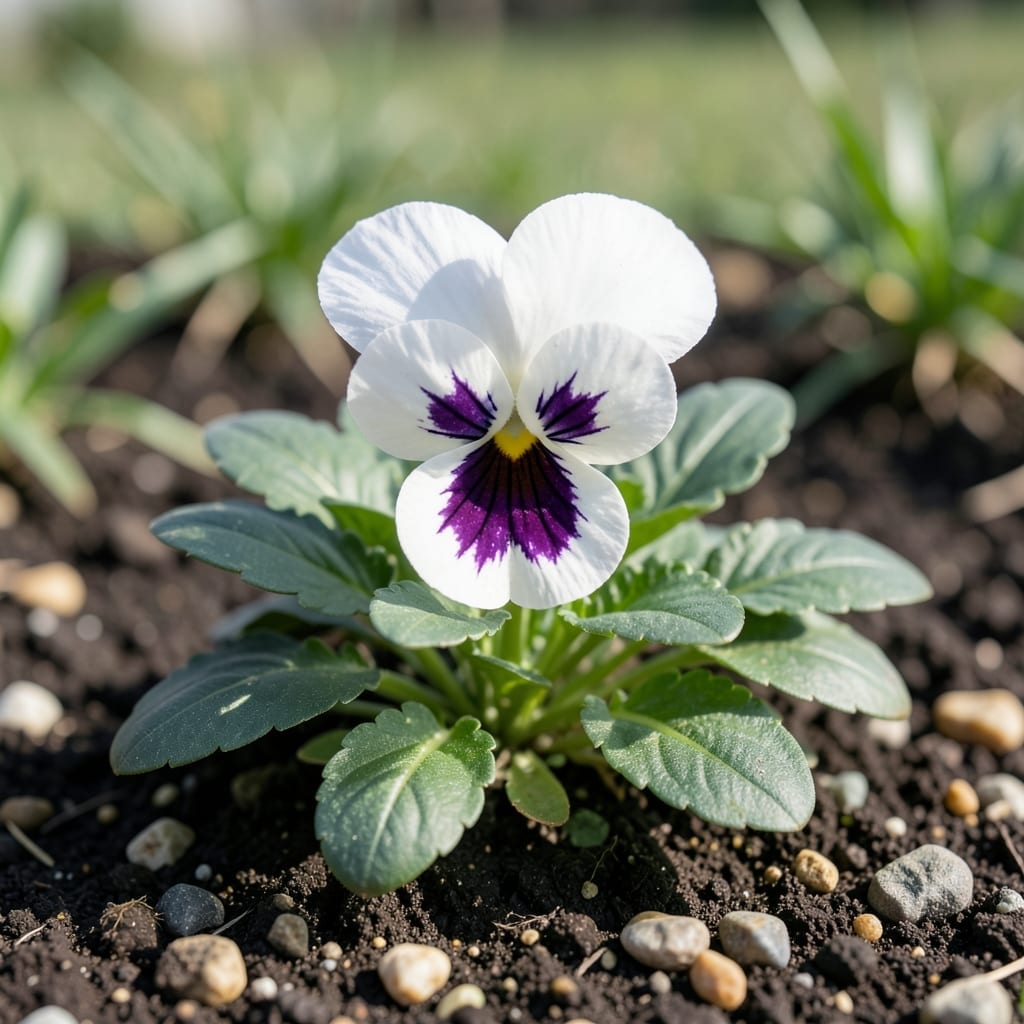
White blotch on pansies hit my garden last spring like a bad surprise. The leaves developed those telltale white spots, and I knew I had to act fast before it spread to my entire flower bed.
Turns out, this fungal issue thrives in cool, wet conditions—exactly what my pansies were getting. I learned that proper air circulation and clean gardening tools make a huge difference in preventing its return.
Organic treatments like neem oil and baking soda sprays worked wonders for me. Within 2 weeks, the new growth came in clean and healthy, saving my pansies without harsh chemicals.
The key is catching it early and staying consistent. Your pansies can bounce back stronger with the right approach.
White blotch on pansies is often a sign of environmental stress or disease. Here are the most common causes, explained in simple scientific terms.
The primary culprit is Ramularia lactea, a fungus that thrives in damp, cool conditions. It infects pansy leaves, creating white or pale gray blotches with feathery edges. The fungus spreads via water splashes, so overhead watering or crowded plantings worsen the problem.
Extreme temperature swings or excessive moisture can weaken pansies, making them more susceptible to blotches. Prolonged leaf wetness (from rain, dew, or irrigation) creates the perfect breeding ground for pathogens. Poor air circulation in dense plantings also traps humidity, accelerating fungal growth.
While less common, nutrient imbalances (e.g., calcium or magnesium deficiency) can cause discoloration that mimics white blotch. Test soil pH—pansies prefer slightly acidic to neutral soil (6.0–7.0). Over-fertilization, especially with nitrogen, can also stress plants and invite disease.
Reusing infected soil or planting pansies in the same spot yearly can reintroduce pathogens. Contaminated tools or debris from previous crops may also spread spores. Always sanitize tools and rotate planting locations to break disease cycles.
Pansy white blotch is frustrating but manageable with the right approach. Below are targeted solutions for each common cause, along with prevention tips to keep your pansies healthy and vibrant.
Fix: Remove infected leaves immediately to prevent spread. Apply a copper-based fungicide or a homemade spray of 1 tsp baking soda + 1 quart water + a few drops of dish soap. Spray in the early morning or late evening to avoid leaf burn.
Prevention: Improve air circulation by spacing plants 6–8 inches apart. Water at the base to keep foliage dry, and avoid overhead watering.
Fix: Let the soil dry slightly between waterings. If root rot is suspected, gently dig up the plant, trim blackened roots, and replant in fresh, well-draining soil.
Prevention: Use a soil moisture meter or the finger test—stick your finger 1 inch into the soil. If it’s dry, it’s time to water. Always use pots with drainage holes.
Fix: Move pansies to a shadier spot if leaves show sun scorch (white blotches with crispy edges). For cold stress, cover plants with a frost cloth during unexpected temperature drops.
Prevention: Plant pansies in areas with partial shade, especially in hot climates. Mulch around the base to regulate soil temperature.
Fix: Test the soil pH (ideal range: 5.4–5.8). Amend with compost or a balanced fertilizer (10-10-10) if deficiencies are confirmed. Yellowing leaves with white spots often signal magnesium deficiency—add Epsom salt (1 tbsp per gallon of water) as a foliar spray.
Prevention: Feed pansies every 2–3 weeks during the growing season with an organic fertilizer. Rotate planting locations yearly to avoid soil depletion.
💡 Pro Tip: Regularly inspect leaves for early signs of trouble. Catching white blotch early makes treatment far easier!
Yes, fungal spores can travel via water splashes or contaminated tools. Keep infected pansies isolated and sanitize pruners between uses to prevent spreading.
For active infections, apply copper-based fungicide every 7-10 days until symptoms disappear. Always follow product instructions for best results.
No, damaged foliage won’t heal, but new growth will be healthy if you treat the underlying cause. Remove severely spotted leaves to improve appearance.
Avoid composting diseased pansies—heat may not kill all spores. Dispose of them in the trash or burn them to prevent reinfection.