
Beautiful Plants For Your Interior
Beautiful Plants For Your Interior
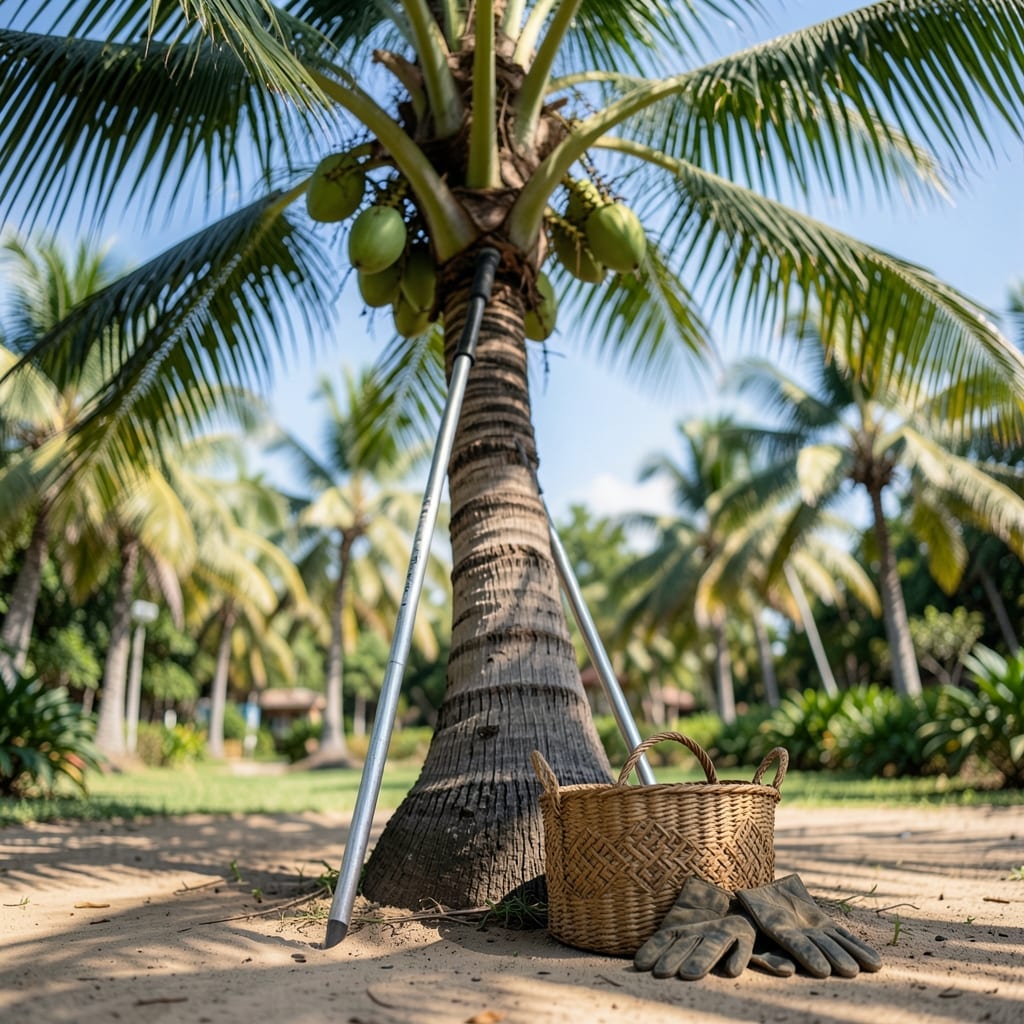
There’s something magical about watching a palm tree produce its first fruit. I remember the first time I saw a coconut forming—it was like the tree was sharing a secret with me.
These fruits start as tiny flowers, then slowly grow into what we recognize. The process takes months, but the payoff is worth it. You’ll know they’re ready when the outer husk turns from green to brown.
Not all palms bear fruit, but with the right care, yours can. Consistent watering and full sun make all the difference. I’ve seen tropical varieties thrive even in less-than-ideal climates.
Harvesting at the right time ensures the best flavor and texture. Once you get the hang of it, you’ll be hooked on growing these stunning trees.
Understanding why palm tree fruit develops inside the tree involves a mix of biological and environmental factors. Here’s a breakdown of the primary causes:
Palm trees, like coconuts, follow a unique growth pattern where the fruit (drupe) matures inside a protective husk. This husk forms from the flower’s ovary and hardens as the fruit develops, shielding the seed from external damage. The process is part of the tree’s reproductive strategy, ensuring the seed remains viable until it’s ready to germinate.
The internal development of palm fruit serves as a defense mechanism. By encasing the seed in layers (exocarp, mesocarp, and endocarp), the tree protects it from pests, harsh weather, and physical trauma. For example, coconuts have a fibrous husk and a hard shell to prevent waterlogging or predation while floating in the ocean.
Climate and soil conditions can influence how palm fruit develops. Tropical palms, for instance, thrive in warm, humid environments where consistent rainfall supports internal fruit maturation. Drought or nutrient deficiencies may slow growth, but the fruit still forms inside to preserve energy until conditions improve.
In short, the “inside-out” growth is a survival tactic honed over millennia. Actionable tip: If you’re cultivating palms, ensure optimal soil moisture and temperature to support healthy internal fruit development.
When dealing with palm tree fruit, especially coconuts, a few common problems can arise during harvesting or storage. Here’s how to tackle them effectively:
If coconuts are falling before ripening, check for pest infestations or nutrient deficiencies. Apply organic pesticides or fertilize with potassium and magnesium. Prevention tip 💡: Regularly inspect trees and maintain soil health to avoid future drops.
A stubborn coconut may need a gentle nudge. Place it in a warm, dry spot for a day or two to soften the husk. For immediate opening, use a machete or heavy knife—tap the blunt side along the equator, then pry it open. Prevention tip 💡: Harvest only when the coconut’s outer husk turns brown and the water inside sloshes freely.
Discard any fruit with visible mold or foul odor—it’s unsafe to consume. To prevent this, store coconuts in a cool, dry place and avoid moisture exposure. Prevention tip ✨: Harvest during dry weather and keep them off damp surfaces.
If the coconut meat tastes sour or fizzy, it’s overripe. Use it immediately for cooking or discard it. Prevention tip 🎯: Check ripeness by shaking the coconut—mature ones have a hollow sound and full water content.
With these fixes, you’ll enjoy fresh, high-quality palm fruit every time!
It’s a natural protective mechanism. The husk shields the seed from pests, weather, and physical damage while it matures. This adaptation ensures the seed remains viable until it’s ready to germinate.
Most palm fruits, like coconuts, take 10-12 months to fully mature. The exact time depends on the species and growing conditions, such as climate and soil quality. Patience is key with these trees!
Harvesting too early can result in underdeveloped meat and water. Wait until the outer husk turns brown and the fruit sounds hollow when shaken. This ensures the best flavor and texture.