
Beautiful Plants For Your Interior
Beautiful Plants For Your Interior
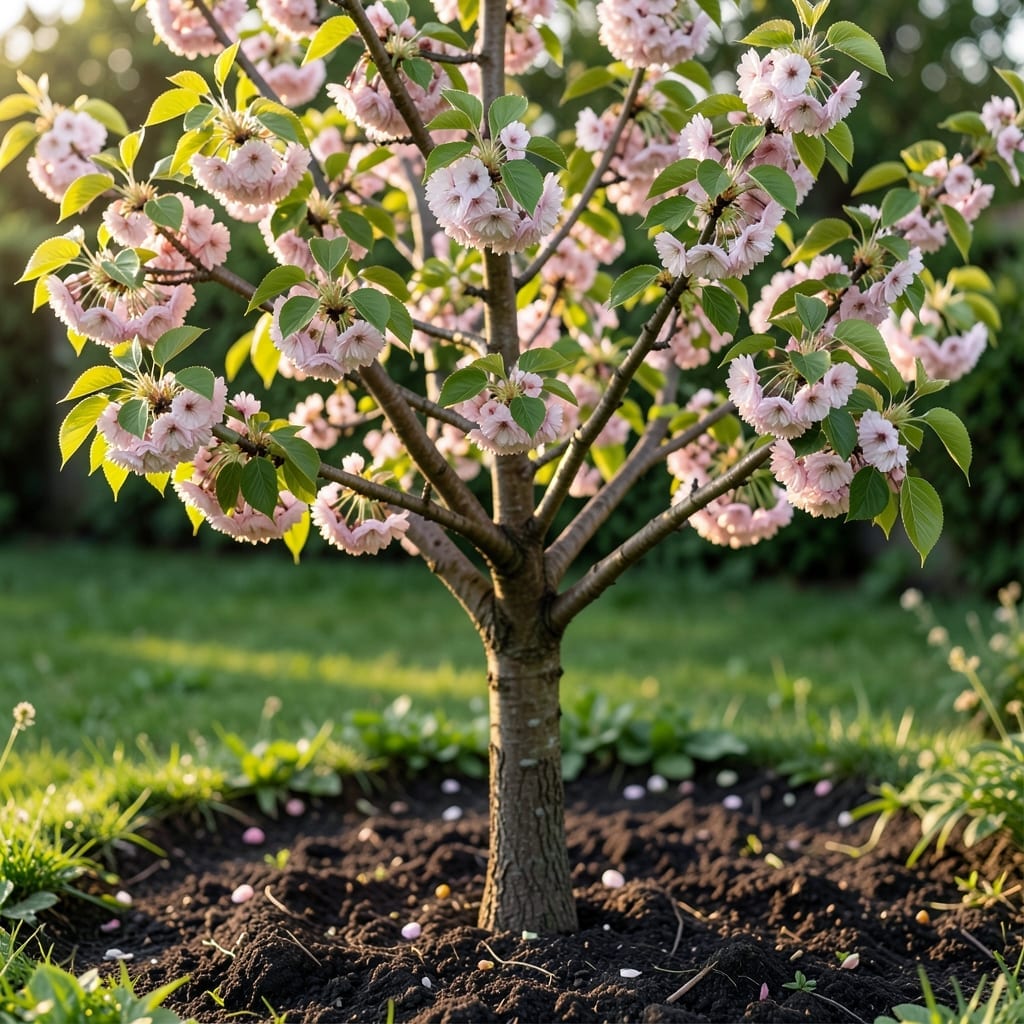
Patience is key when growing Cherry Trees 🍒, as the wait for that first sweet harvest can feel endless. Understanding the timeline helps set realistic expectations.
I remember planting my first sapling and wondering when I’d see those beautiful fruits. The journey from planting to first harvest is longer than many expect, but every stage is rewarding.
Whether you’re growing sweet or tart varieties, knowing what to expect makes the process easier. The right care from the start can even speed up fruiting.
Let me walk you through the timeline and factors that influence when your Cherry Tree will bear fruit. The wait will be worth it when you taste that first homegrown cherry.
If you’re wondering how long your cherry tree will take to produce its first delicious fruit, the answer depends on the variety you’ve planted. Most standard cherry trees begin bearing fruit between 4 to 7 years after planting.
Dwarf varieties may start producing faster, often within 3 to 4 years, while tart cherries can sometimes yield fruit as early as 3 years. The rootstock and growing conditions also play a significant role in this timeline.
| Variety | Time to First Fruit | Notes |
|---|---|---|
| Sweet Cherry | 5-7 years | Standard size, needs pollinator |
| Tart Cherry | 3-5 years | Self-pollinating, cold-hardy |
| Dwarf Cherry | 3-4 years | Compact, ideal for small spaces |
| Semi-Dwarf | 4-6 years | Balanced size and yield |
I’ve found that sweet cherry trees like Bing or Rainier often take the longest, sometimes up to 7 years, because they grow on standard rootstocks that prioritize size over early fruiting. In contrast, Montmorency tart cherries can surprise you with fruit in just 3 years under ideal conditions.
Climate also impacts the timeline. In warmer zones like USDA 7-8, trees may mature faster than in cooler zones like USDA 5. A well-draining soil and full sun exposure can shave off a year or two from the waiting period.
If you planted a bare-root tree, it might take an extra year to establish compared to a container-grown specimen. I always recommend mulching and consistent watering during the first few years to encourage strong root development, which directly affects how quickly your tree will bear fruit.
For those eager to see results, dwarf varieties like Stella or Compact Stella are excellent choices. These trees are grafted onto dwarfing rootstocks, which redirect energy toward fruit production rather than height, often yielding cherries in as little as 3 years.
Remember, even after your tree starts bearing, the first few harvests may be small. It takes time for the tree to reach its full productive potential, which can be 10-15 years for standard varieties. Patience and proper care will reward you with bountiful harvests for decades to come.
In my experience, the wait is always worth it. There’s nothing quite like picking ripe cherries from a tree you’ve nurtured from a young sapling. Just keep providing the right conditions, and your tree will thank you with sweet rewards 🌳
Growing cherry trees requires patience, but certain factors can help you see fruit sooner. From soil to sunlight, every detail matters in nurturing your tree toward that first harvest.
The right conditions can shave years off the wait, while poor care might delay fruiting indefinitely. I’ve seen trees bear fruit 3 years earlier with proper attention to these key variables.
Soil quality is the foundation. I always amend planting holes with compost to give my trees a nutrient boost. Poor soil can add 2-3 extra years to fruiting time.
Sunlight is non-negotiable. Without full sun, trees grow slowly and may never fruit. I position my trees where they get morning to afternoon sun for best results.
Pruning might seem counterintuitive, but removing weak growth directs energy to fruit production. I prune my trees dormant season to shape them properly.
Pollination is critical for most varieties. I planted a Bing and a Rainier together to ensure cross-pollination. Without it, you might wait forever for fruit.
Finally, consistent watering keeps trees healthy. I water deeply weekly, adjusting for rain. Stress from drought can delay fruiting by a full year.