
Beautiful Plants For Your Interior
Beautiful Plants For Your Interior
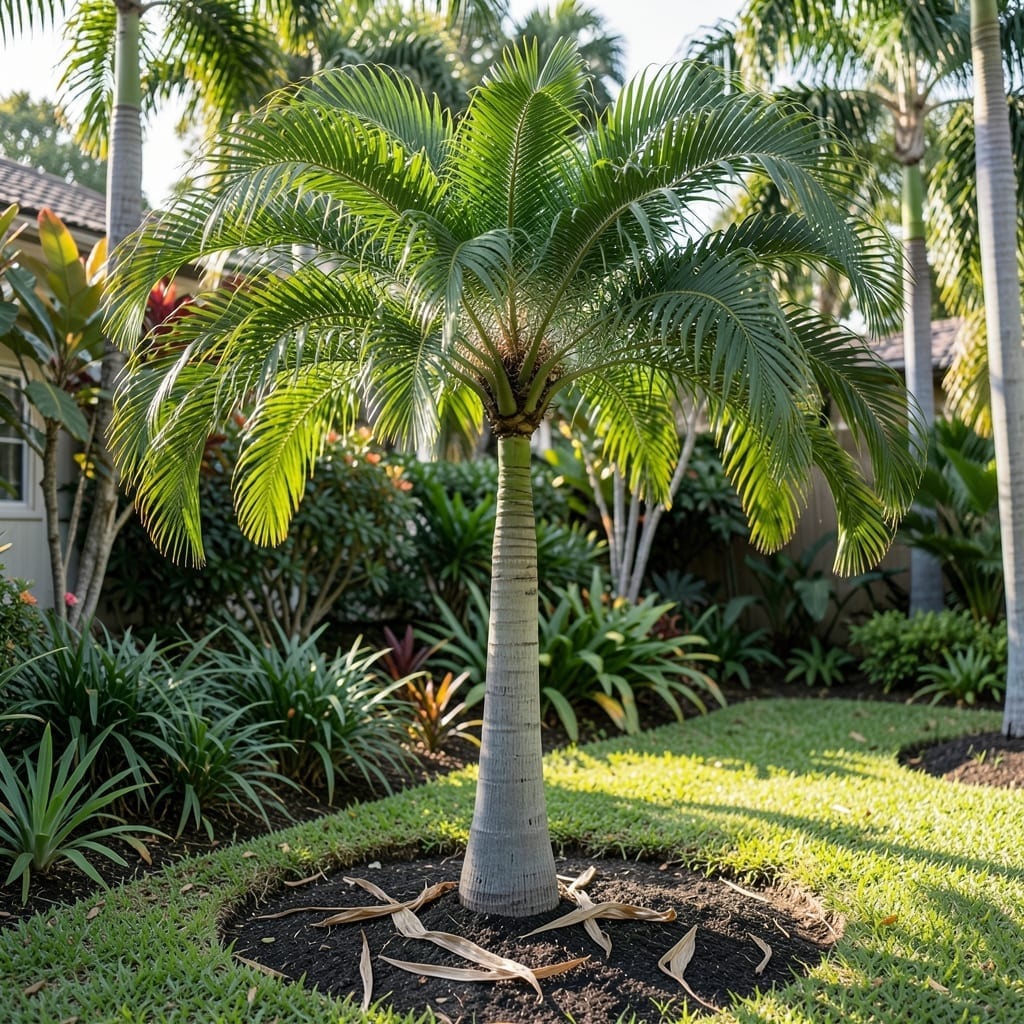
Foxtail palm trees 🌴 are a stunning addition to any landscape, but their impressive height can surprise even experienced gardeners. Understanding their growth potential helps you plan the perfect outdoor space.
I’ve seen these majestic palms transform backyards into tropical retreats. Their towering presence creates shade and drama, but knowing how tall they’ll grow is key to proper placement.
Discover what to expect as your Foxtail Palm Tree matures, so you can design with confidence and avoid future landscaping headaches.

If you’re considering adding a foxtail palm tree to your landscape, knowing its growth pattern is essential. These palms don’t stay small for long, and their impressive height can dominate a space if not planned properly.
From my experience, foxtail palms grow surprisingly fast under ideal conditions. Their tropical appearance and lush fronds make them a favorite, but their vertical growth is what truly sets them apart. 🌴
| Stage | Height | Key Notes |
|---|---|---|
| Year 1 | 3-5 ft | Rapid early growth |
| Year 2 | 8-10 ft | Fronds begin thickening |
| Year 3 | 15-18 ft | Trunk becomes visible |
| Mature | 20-30 ft | Full tropical canopy |
The first year is when you’ll see the most dramatic growth. With proper care and ideal conditions, your foxtail palm can reach 3-5 feet in height, establishing a strong root system.
By year two, the palm typically doubles in height, growing to 8-10 feet. This is when the iconic foxtail fronds start to develop their full, bushy appearance, giving the tree its name.
In the third year, your foxtail palm will likely reach 15-18 feet. The trunk becomes more prominent, and the tree starts to take on its mature shape. This is a critical stage for ensuring it has enough space.
At full maturity, a foxtail palm tree can tower between 20-30 feet tall. That’s comparable to a 2-3 story building, making it a true statement piece in any garden or landscape. 🌳
I’ve noticed that palms grown in full sun with well-draining soil tend to reach the upper end of this range. Meanwhile, those in partial shade or poor soil may stay on the shorter side.
The growth rate slows as the tree matures, but it continues to add height gradually. In ideal climates like USDA zones 10-11, these palms can grow 1-2 feet per year once established.
If you’re planting near structures or power lines, always account for the mature height. A 30-foot palm needs plenty of vertical clearance to thrive without causing issues.
While foxtail palms naturally reach 20-30 feet, several factors can influence their final height. I’ve seen firsthand how environmental conditions and care practices shape their growth.
From soil quality to sunlight exposure, each element plays a role in determining whether your palm will hit the upper or lower end of its height range. 🌴
Soil quality is often overlooked but critical. Foxtail palms in poor or compacted soil struggle to reach their full potential. I recommend amending the soil with organic matter before planting.
Sunlight exposure is another major factor. Palms in partial shade may grow slower and stay shorter. For best results, plant in a spot with unobstructed sun for most of the day.
Watering practices also impact height. These palms need deep, infrequent watering to develop strong roots. Overwatering can lead to root rot, while underwatering stunts growth. 💧
Finally, climate zone matters. In USDA zones 10-11, foxtail palms thrive and reach their maximum height. In cooler areas, growth may be slower, and the tree might stay on the shorter side of the range.