
Beautiful Plants For Your Interior
Beautiful Plants For Your Interior
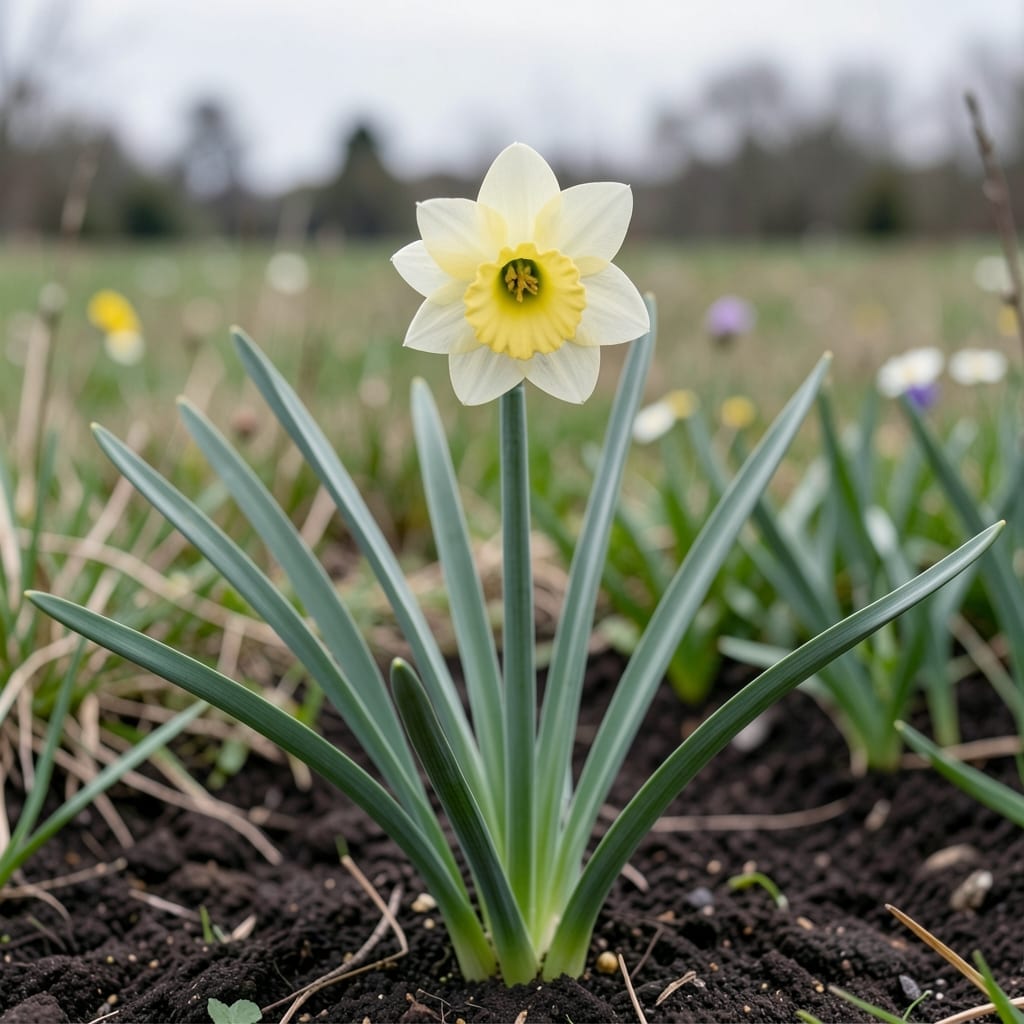
There’s something about pale yellow daffodils that makes spring feel like a fresh start. Their soft color brightens shady spots where other flowers struggle, and they return year after year with almost no effort from me.
I plant them in clusters near walkways where their gentle hue catches the light. They thrive in well-draining soil with morning sun, and deer usually leave them alone—unlike my tulips. Simple, reliable, and quietly beautiful.
📚 In This Guide
Here’s the method I’ve refined over years to ensure vibrant blooms every spring.
Choose a location with full sun to partial shade—daffodils thrive in 6+ hours of direct sunlight but tolerate light afternoon shade. I always test the soil drainage first by digging a 12-inch deep hole and filling it with water. If it drains within 4-6 hours, you’re good to go.
The soil should be loose, well-draining, and slightly acidic to neutral (pH 6.0-7.0). If your soil is heavy clay, amend it with compost or aged manure to improve drainage. Pale yellow varieties, like ‘Tête-à-Tête’ or ‘Ice Follies’, prefer the same conditions as other daffodils but benefit from a slightly richer soil for their delicate coloration.
Plant bulbs in the fall, 6-8 weeks before the first hard frost, when soil temperatures drop below 60°F. This gives roots time to establish before winter. Dig a hole 2-3 times deeper than the bulb’s height—typically 6-8 inches deep for standard daffodil bulbs.
Place the bulb pointy-side up (if unsure, plant it on its side—the stem will find its way). Space bulbs 4-6 inches apart to allow for naturalizing. I like to plant in clusters of 5-7 bulbs for a natural, drifts-of-color effect. Cover with soil and press down lightly to remove air pockets.
Water thoroughly after planting to settle the soil and encourage root growth. You’ll want the soil to feel evenly moist but not waterlogged. Daffodils are drought-tolerant once established, but consistent moisture during the first fall helps roots develop.
Apply a 2-3 inch layer of organic mulch (straw, shredded leaves, or bark chips) to insulate the soil and retain moisture. This is especially important in colder climates to prevent frost heaving, which can push bulbs out of the ground. Remove mulch gradually in early spring as new shoots emerge.
As shoots appear in early spring, apply a balanced, low-nitrogen fertilizer (5-10-10 or 6-12-12) to support flower production. I sprinkle it around the base of the plants when shoots are 4-6 inches tall, then water it in. Avoid high-nitrogen fertilizers, as they promote leafy growth at the expense of flowers.
Deadhead spent blooms after they fade, but do not cut back foliage until it turns yellow and dies back naturally—usually 6-8 weeks after flowering. The foliage is critical for photosynthesizing and storing energy for next year’s blooms. Pale yellow daffodils often have a slightly longer foliage die-back period than brighter varieties.
Small details make the difference between lackluster blooms and a stunning spring display.
Soil Drainage Test: In Step 1, that 12-inch hole you dig for the drainage test is critical. If water doesn’t drain within 4-6 hours, consider raised beds or amending with more compost. Pale yellow varieties like ‘Tête-à-Tête’ are particularly sensitive to waterlogged soil, which can cause bulb rot.
Timing the Planting: The 6-8 weeks before first frost mentioned in Step 2 isn’t arbitrary. Planting too early can cause premature sprouting, while planting too late may prevent root establishment. Check your local frost dates and aim for soil temperatures below 60°F—this is non-negotiable for proper root development.
Mulching Technique: When applying the 2-3 inch mulch layer in Step 3, use organic materials like straw or shredded leaves rather than wood chips, which can compact and prevent water penetration. Leave a small gap around each bulb cluster to prevent moisture buildup against the stems.
Fertilizer Application: For Step 4, when shoots reach 4-6 inches tall, the 5-10-10 or 6-12-12 fertilizer ratio is specifically chosen to encourage blooms over foliage. Apply in a ring around the plants rather than directly on the shoots to avoid burning the new growth.
Pale yellow daffodils may result from nutrient deficiencies, poor soil conditions, or excessive shade. Test your soil and ensure they get 6+ hours of sunlight daily for vibrant blooms.
Plant bulbs in fall, 2-4 weeks before the ground freezes. This gives roots time to establish before spring. Ideal timing is September to November in most climates.
Yes! Use well-draining potting mix and a container with drainage holes. Plant bulbs 6 inches deep and water moderately. Move pots to a sunny spot in spring for best results.
Check for overwatering or poor drainage. Trim dead foliage, reduce watering, and ensure the soil isn’t soggy. Healthy bulbs will often rebound next season.
Try ‘Ice Follies’ (creamy white) or ‘Tête-à-Tête’ (soft yellow) daffodils. Jonquil varieties also offer pale, delicate hues with a lovely fragrance.