
Beautiful Plants For Your Interior
Beautiful Plants For Your Interior
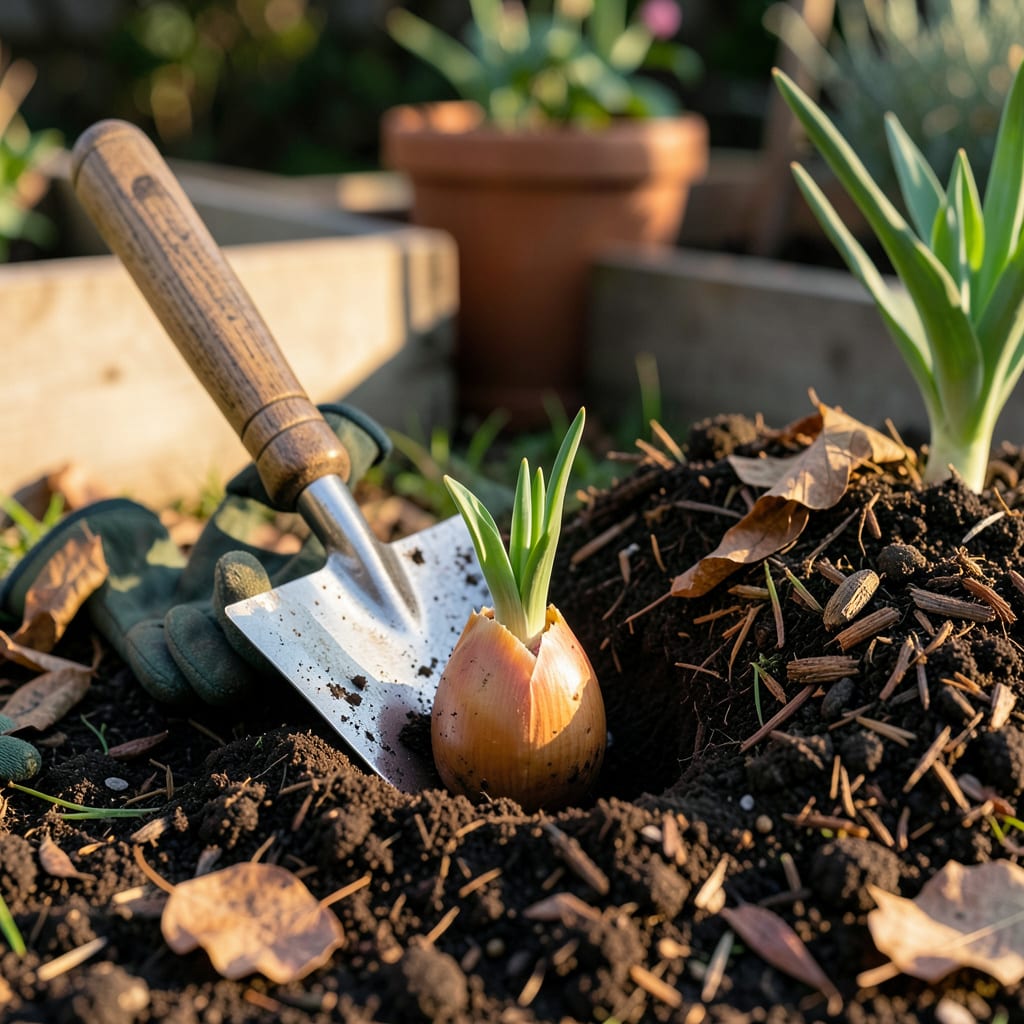
Connecticut’s unpredictable springs can turn bulb planting into a guessing game—plant too soon, and frost might ruin your 🌱 bulbs; wait too long, and you’ll miss the ideal window. I’ve seen gardeners in Fairfield County celebrate vibrant tulips while others in Litchfield scratch their heads at sparse blooms.
The difference? Timing and location. Whether you’re in coastal Zone 7a or inland Zone 5b, nailing the right month for tulips, daffodils, or dahlias means the difference between a lackluster patch and a showstopping display. Let’s break down the exact fall and spring schedules tailored to CT’s microclimates—so you get it right the first time.
If you’re dreaming of a spring garden bursting with tulips, daffodils, and crocuses, fall is your moment to act. In Connecticut, timing is everything—plant too early, and bulbs may sprout prematurely; plant too late, and roots won’t establish before winter. I’ve found the sweet spot is when soil temps dip below 55°F. 🌱
Connecticut’s USDA zones 5b–7a mean planting windows vary slightly. Coastal areas like New Haven (Zone 7a) can plant a bit later than inland spots like Litchfield (Zone 5b). Generally, aim for mid-October to mid-November, but let’s break it down further. 🌿
| Bulb Type | Planting Window | Bloom Time | Zone Adjustments |
|---|---|---|---|
| Tulips | Oct 15–Nov 15 | Early–mid spring | Zone 5b: Plant by Nov 1 |
| Daffodils | Oct 10–Nov 10 | Late winter–early spring | Zone 7a: Can plant until Nov 20 |
| Crocuses | Sept 20–Oct 20 | Late winter | Earlier than most bulbs |
| Hyacinths | Oct 1–Nov 1 | Early spring | Avoid soggy soil |
| Alliums | Oct 15–Nov 15 | Late spring–early summer | Deer-resistant! |
*Adjust for microclimates—urban areas (e.g., Hartford) may be 1–2 weeks warmer.
For coastal Connecticut, like Fairfield County, you can push planting to late November thanks to milder winters. But in Zone 5b areas (think Northwest Hills), I’d wrap up by early November to avoid frozen ground. Always check soil temps—50–55°F is ideal. 🌡️
Don’t forget soil prep! Connecticut’s clay-heavy soil can suffocate bulbs. I mix in compost or sand to improve drainage. A 2–3 inch layer of mulch after planting helps insulate bulbs from temperature swings. If squirrels are a problem (and in CT, they usually are), try chicken wire cages over planting areas. ✂️
Pro tip: Water bulbs deeply after planting to encourage root growth, but avoid soggy soil—especially in low-lying areas where CT’s spring rains can pool. If you’re planting in containers, use a well-draining mix and move pots to a sheltered spot for winter. 🪴
I’ve had the best luck with naturalizing bulbs like daffodils and crocuses in CT lawns. They multiply over years with minimal care. For tulips, treat them as annuals—our wet springs often rot them after a few seasons. If you’re in a deer-heavy area, prioritize alliums, fritillaria, or daffodils. 🌷
Wondering about spring-planted bulbs like dahlias or gladioli? Those need warmer soil (60°F+), so we’ll tackle them later. For now, focus on getting those fall bulbs in the ground before the first hard frost—usually mid-October in inland CT and late October near the coast. ⏰
If you miss the fall window, don’t panic! You can force bulbs indoors in pots—just chill them in the fridge for 12–14 weeks first. But for the easiest, most reliable blooms, stick to the fall planting schedule tailored to your CT zone. Trust me, your spring self will thank you! 🌿
While fall gets all the attention for bulbs, Connecticut’s spring-planted varieties—like dahlias, gladioli, and lilies—deliver summer’s showstopping colors. The key? Waiting until soil warms to 60°F or higher, usually late April to early June in most of CT. 🌱
Plant too early in our fickle springs, and cold snaps can rot your bulbs. I’ve lost count of how many gardeners in Hartford County jump the gun in March, only to regret it after a late frost. Coastal areas (like Zone 7a) can plant 1–2 weeks earlier than inland Zone 5b spots. 🌡️
*Tip: Use a soil thermometer—don’t guess! CT’s clay soil warms slower than sandy loam.
For dahlias, I swear by ‘Café au Lait’ and ‘Thomas Edison’—they thrive in CT’s summers. Plant tubers 4–6 inches deep in well-amended soil (our native clay needs compost or peat moss). Stake tall varieties at planting to avoid wind damage—coastal CT gets gusty! 🌬️
Gladioli are perfect for CT cut gardens. Plant corms 6 inches deep and 6 inches apart in full sun. I plant a new batch every 10–14 days until July for nonstop blooms. In deer-prone areas (looking at you, Litchfield Hills), try ‘Atom’ or ‘Green Star’—deer usually leave them alone. 🌿
Lilies naturalize beautifully in CT. Asiatic lilies bloom first (June–July), while Oriental lilies perfume August gardens. Plant bulbs 8 inches deep in well-draining spots—soggy soil = rot. For container planting, use pots at least 12 inches deep and move to a sunny patio after frost. 🪴
Avoid the #1 spring bulb mistake: overwatering. CT’s May rains often provide enough moisture. Let the top 2 inches of soil dry between waterings. For pest control, sprinkle grits or crushed eggshells around bulbs to deter slugs—common in our humid summers. ✂️
If you’re in urban CT (like New Haven or Stamford), watch for heat islands. Bulbs may need extra mulch to retain moisture. For rural gardens, rabbit fencing is a must—those critters love fresh bulb shoots! Plan ahead: Order summer bulbs in winter for best selection. 🌷
Connecticut’s USDA zones 6a/6b and 7a create two distinct bulb-planting calendars. I’ve seen gardeners in Zone 7a (coastal) plant weeks later than those in Zone 6b (inland)—with equally stunning results. The secret? Adjusting for microclimates and frost dates. 🌱
In Zone 7a areas like New Haven or Groton, you’ve got a 2–3 week buffer compared to Zone 6b spots like Hartford or Litchfield. Coastal gardens benefit from warmer ocean influence, while inland areas face earlier frosts and colder soils. Let’s compare the key differences. 🌿
| Factor | Zone 6a/6b (Inland) | Zone 7a (Coastal) |
|---|---|---|
| Fall Planting Window | Oct 1–Nov 1 | Oct 15–Nov 20 |
| Spring Planting Start | Early May | Late April |
| Last Frost Date | May 10–15 | April 20–25 |
| Best Deer-Resistant | Alliums, Fritillaria | Daffodils, Hyacinths |
| Soil Warm-Up | Slower (clay-heavy) | Faster (sandy loam) |
| Urban Heat Islands | Minimal (e.g., Torrington) | Significant (e.g., Bridgeport) |
*Zone 6b includes most of Hartford County; Zone 7a covers coastal Fairfield/New London counties.
For Zone 6b gardeners, I recommend earlier planting and extra mulch. Try ‘Ice Follies’ daffodils or ‘Purple Sensation’ alliums—they thrive in colder soils. In Zone 7a, you can experiment with tender bulbs like cannas or elephant ears in containers. ☀️
Watch for microclimates in your yard. A south-facing slope in Zone 6b might mimic Zone 7 conditions, while a shady north side in Zone 7a could act like Zone 6. I use a soil thermometer to confirm temps—$10 at any CT garden center and worth every penny! 🌡️
In urban areas like Hartford or New Haven, heat islands can extend your season. I’ve successfully planted gladioli in early May in downtown New Haven, while my rural friends in Woodbury wait until Memorial Day. For deer problems, Zone 6b gardeners should prioritize fritillaria—deer hate the skunky smell! 🪴
Remember: CT’s Zone 7a isn’t California—our winters still dip below freezing. Don’t risk tender bulbs like dahlias in the ground year-round. Dig them up after frost and store in a cool, dry basement (I use paper bags with vermiculite). ✂️
Planting too early can cause bulbs to sprout prematurely before winter. In Connecticut, this often happens if soil temps stay above 60°F. The tender shoots may then freeze when cold weather hits, weakening or killing the bulb.
Use containers at least 12 inches deep with drainage holes. Fill with well-draining potting mix and plant bulbs at the same depth as in-ground. Move containers to a sheltered spot (like an unheated garage) for winter to prevent freeze-thaw cycles.
For squirrels, cover planting areas with chicken wire and secure it with stakes. For deer, choose resistant varieties like daffodils, alliums, or fritillaria. You can also use repellents, but reapply after rain—CT’s wet springs wash them away quickly.
In Zone 7a coastal areas like Fairfield County, you can plant tulips as late as November 20. The milder winters give you extra time, but don’t push it—bulbs need 4-6 weeks to establish roots before the ground freezes.
Mix a low-nitrogen fertilizer (like 5-10-10) into the soil at planting time. Avoid high-nitrogen options—it promotes leafy growth at the expense of flowers. In CT’s clay soil, compost is even more important than fertilizer for drainage.
