
Beautiful Plants For Your Interior
Beautiful Plants For Your Interior
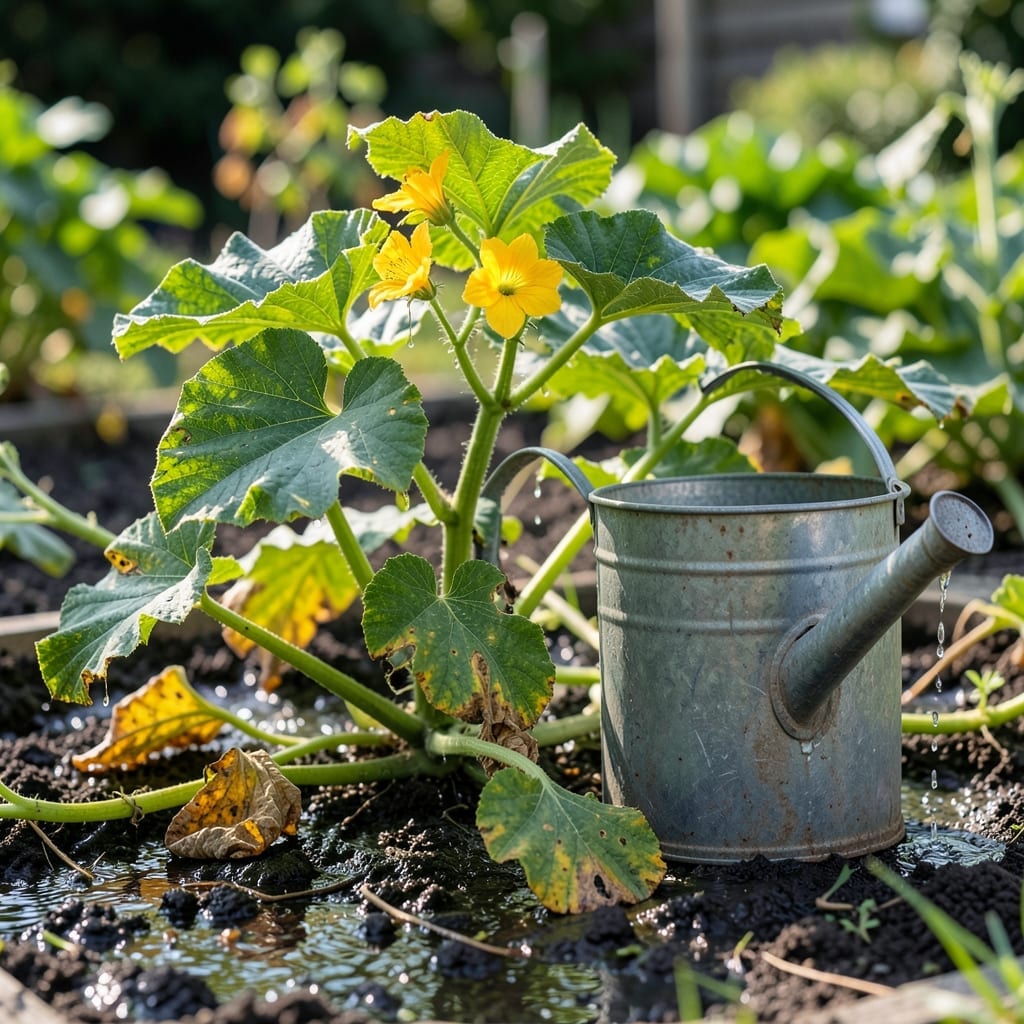
My pumpkin vines went from thriving to drooping overnight. Turns out, too much love with the watering can does more harm than good, and the yellowing leaves were my first clue.
Overwatering suffocates the roots and invites rot, but I’ve found that catching it early makes all the difference. The key is improving drainage and giving the soil a chance to dry out between waterings.
With the right adjustments, those sad, wilting leaves can bounce back in a week or two. You’ll see new growth pushing through, and the plant starts looking stronger than before.
Works for pumpkins in the ground or containers—just watch the weather and your watering schedule. Here’s how to fix it.
Overwatering your pumpkin plant disrupts its natural balance, leading to a cascade of problems. Here’s why it happens, broken down by cause:
Pumpkins thrive in well-draining soil, but too much water fills the air pockets around roots, suffocating them. Roots need oxygen to respire, and waterlogged soil blocks this exchange. Without oxygen, roots rot, turning mushy and brown—a condition called root asphyxiation.
Heavy clay or compacted soil retains moisture far longer than pumpkins prefer. Even if you water moderately, poor drainage traps water near the roots. This stagnation encourages fungal growth (like Phytophthora) and bacterial infections, which further damage the plant’s vascular system.
Growing pumpkins in pots without drainage holes is a recipe for disaster. Water pools at the bottom, creating a swampy environment. Over time, the roots drown, and the plant’s ability to uptake nutrients is severely reduced, leading to yellowing leaves and stunted growth.
During cool, cloudy periods, soil stays damp longer. Gardeners often misjudge and water on autopilot, not realizing the plant’s reduced thirst. Pumpkins in such conditions need less frequent watering—stick your finger 2 inches into the soil; if it’s moist, hold off on watering.
If your pumpkin plant is suffering from too much water, don’t panic—here’s how to fix it, step by step.
Stop watering immediately and check the soil. If it’s soggy, dig small trenches around the plant to redirect excess water. For potted plants, ensure the container has drainage holes. Move it to a spot with better airflow to speed up drying. Prevention tip: Water only when the top inch of soil feels dry.
Overwatered pumpkins often wilt as roots struggle to breathe. Let the soil dry out before watering again. If rain is frequent, cover the area with a tarp temporarily. Pro tip 💡: Use a moisture meter to avoid guessing—aim for 30-50% soil moisture.
Fungal growth (like powdery mildew) thrives in damp conditions. Remove affected leaves and apply a copper-based fungicide. Space plants farther apart for better airflow. Prevention tip ✨: Water at the base in the morning so leaves dry quickly.
If roots are brown and mushy, trim the damage and repot in fresh, well-draining soil. Mix in compost or perlite to improve drainage. For in-ground plants, build a raised mound to prevent waterlogging. Prevention tip 🎯: Add mulch to retain moisture without oversaturating.
Pumpkins typically need 1-2 inches of water per week, including rainfall. Water deeply 2-3 times weekly rather than daily. Always check soil moisture first—if the top 2 inches are dry, it’s time to water.
Yellowing leaves, especially lower ones, are the earliest red flag. Wilting despite wet soil is another clue, as roots can’t absorb oxygen. Mold or fungus on leaves often appears later.
Yes, if caught early. Trim black/mushy roots and repot in fresh, well-draining soil. For in-ground plants, improve drainage with trenches or raised beds. Recovery takes 1-2 weeks with proper care.
Always use pots with drainage holes. Add perlite or sand to soil mix for better airflow. Elevate containers to avoid water pooling underneath.