
Beautiful Plants For Your Interior
Beautiful Plants For Your Interior
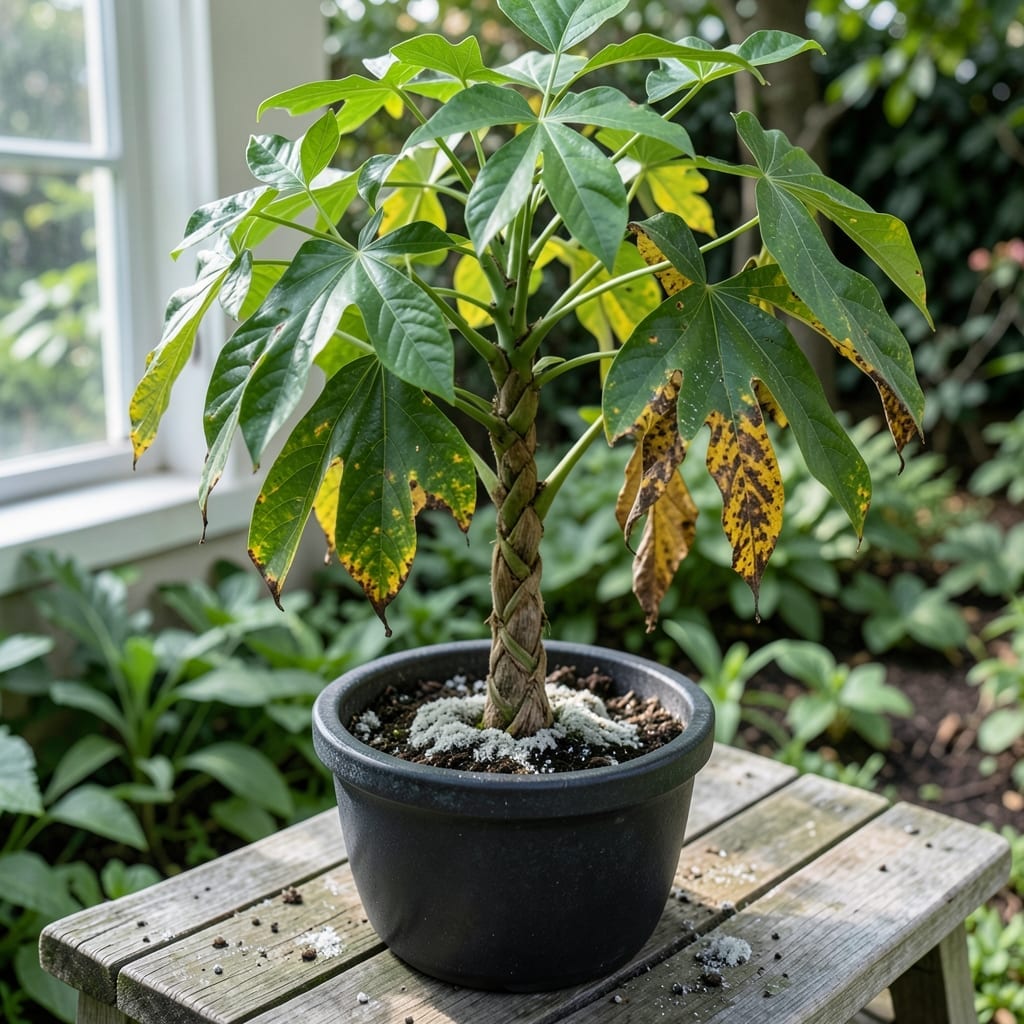
That yellowing leaf and mushy stem? Your money tree’s sending an SOS. I’ve nursed more than a few back from the brink—root rot doesn’t have to be a death sentence.
Overwatering creates the perfect swampy conditions for fungus to move in. Catching it early means the difference between revival and a sad, soggy goodbye. The first sign is usually leaves turning soft, then black spots appearing on the trunk.
With the right approach, you can dry out the roots, trim the damage, and reset the plant’s environment. Two weeks of careful attention often brings visible improvement—new growth is your green light.
Prevention is simpler than treatment: water only when the top two inches of soil are dry, and always use pots with drainage holes. No exceptions.
Overwatering is the primary culprit behind fungus in money trees (Pachira aquatica), but the issue goes deeper than just excess water. Here’s why it happens:
Money trees thrive in well-draining soil, but overwatering saturates the root zone, displacing oxygen. Without oxygen, roots suffocate, and anaerobic bacteria and fungi (like Phytophthora or Fusarium) flourish. These pathogens attack weakened roots, leading to rot and fungal spread.
Pots without drainage holes or compacted soil prevent water from escaping, keeping roots submerged. Stagnant water encourages fungal spores to germinate, especially in warm, humid environments. Always use containers with drainage and a well-aerated potting mix.
Money trees in dim, humid spaces dry slowly, prolonging damp conditions. Fungi thrive in these environments, especially when combined with overwatering. Ensure bright, indirect light and good airflow to reduce fungal risks.
Fungal spores can hitchhike on unclean pruning tools or infected soil. Reusing old potting mix or failing to sterilize tools introduces pathogens directly to vulnerable roots. Always use fresh, sterile soil and disinfect tools between uses.
When your money tree is suffering from overwatering and fungus, quick action can save it. Below are targeted fixes for each issue, along with tips to keep your plant thriving long-term.
If the soil is soggy, stop watering immediately. Remove the plant from its pot and gently shake off excess soil. Place the roots on a dry paper towel or in a well-ventilated area for a few hours to speed up drying. Repot in fresh, well-draining soil and a clean pot with drainage holes. Pro tip 💡: Only water when the top 1-2 inches of soil feel dry.
For visible fungus (white mold, black spots, or mushy stems), trim affected areas with sterilized scissors. Apply a copper-based fungicide or a natural option like neem oil to the remaining plant and soil. Repeat every 7–10 days until the fungus clears. Pro tip 🌡️: Improve airflow around the plant to discourage future growth.
If roots are brown, mushy, or smelly, they’re likely rotting. Trim all damaged roots with clean shears, then repot in fresh soil. Use a terracotta pot (which wicks away moisture) and ensure it has drainage holes. Pro tip ✨: Add perlite or sand to the soil mix to boost drainage.
Prevention: Water only when needed, use pots with drainage, and avoid letting the plant sit in saucers of water. A little neglect is better than too much love for a money tree!
Check for mushy, dark brown roots and a foul odor. Healthy roots are firm and white. If the base of the stem feels soft, root rot is likely present.
No, always discard old soil to prevent reinfection. Use fresh, sterile potting mix to give your plant the best chance of recovery.
Wait until the top 1-2 inches of soil are completely dry. This may mean watering only every 2-3 weeks during recovery.
Yes, remove any yellow or mushy leaves with clean scissors. This redirects energy to healthy growth and prevents fungal spread.