
Beautiful Plants For Your Interior
Beautiful Plants For Your Interior
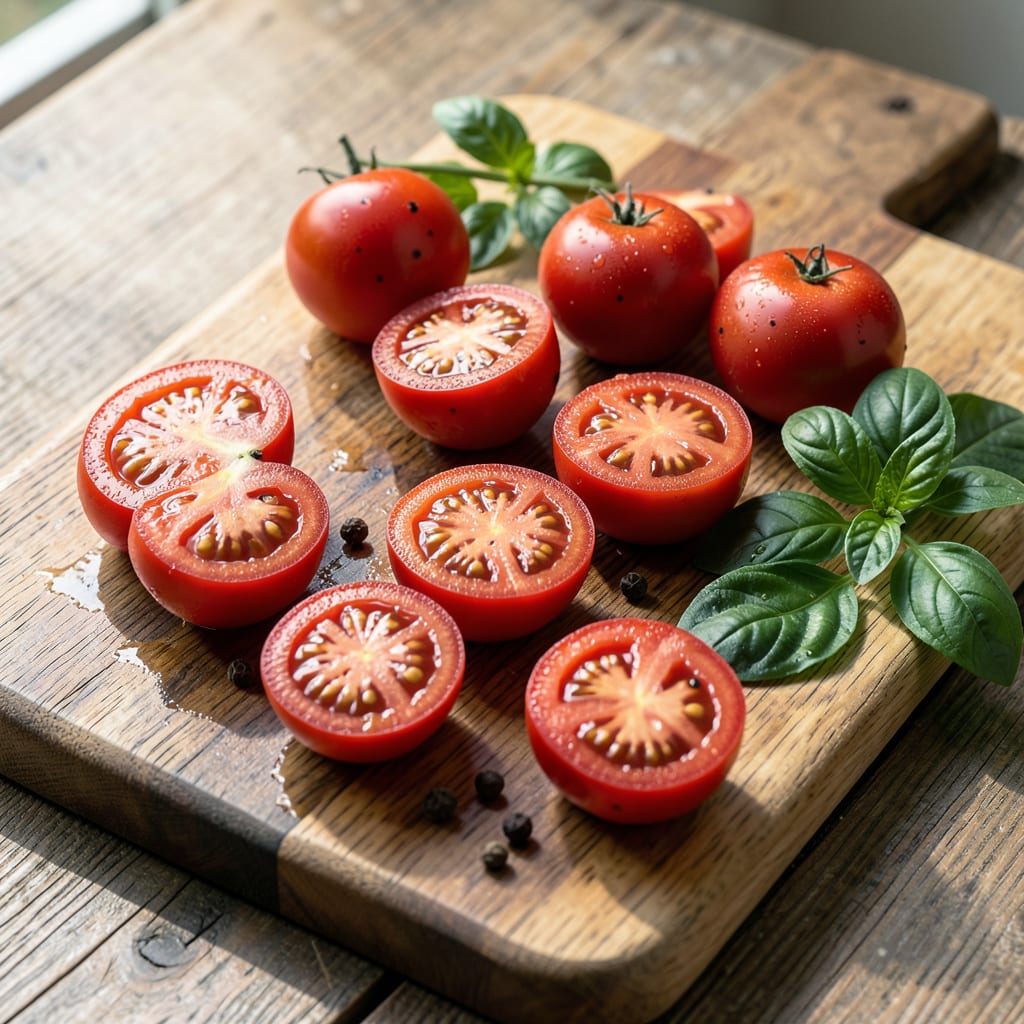
those tiny black spots on your tomatoes aren’t just ugly—they’re a warning sign. I’ve seen entire crops wiped out by ignoring early symptoms, but catching this fast means saving most of your harvest.
These spots usually mean one of three things: fungal infection, pest damage, or environmental stress. The good news? Each has a natural fix that actually works, and prevention is simpler than you think.
With the right approach, you’ll stop the spread within 48 hours and keep new fruits clean. No chemicals, no complicated routines—just smart, targeted solutions.
Works for patio containers or full garden beds. Here’s how to act before it’s too late.
Those unsightly little black spots on your tomatoes often stem from environmental stress, diseases, or nutrient imbalances. Below are the most common causes, explained in clear, actionable terms.
This condition causes dark, sunken spots at the blossom end (opposite the stem) of tomatoes. It occurs when plants can’t absorb enough calcium from the soil, often due to inconsistent watering or waterlogged roots. While calcium may be present, uneven moisture levels disrupt its uptake. Fix it: Maintain steady soil moisture with mulch and water deeply 1–2 times per week.
Fungi like Alternaria solani (early blight) or Colletotrichum (anthracnose) create small, dark spots that expand into concentric rings. These thrive in humid conditions and spread via splashing water or infected debris. Fix it: Improve airflow with pruning, avoid overhead watering, and remove infected leaves immediately.
Intense sunlight or extreme heat can cause blister-like black patches on exposed fruit. This happens when tomatoes are suddenly exposed to direct sunlight after prolonged shade (e.g., after pruning). Fix it: Provide shade cloth during heatwaves and avoid over-pruning foliage.
While calcium is the usual suspect, low magnesium (yellowing leaves + black spots) or potassium (spotted, uneven ripening) can also trigger discoloration. Fix it: Test soil and amend with Epsom salt (magnesium) or wood ash (potassium) as needed.
Tackling those unsightly black spots on your tomatoes starts with identifying the cause. Below are targeted solutions for common issues, along with prevention tips to keep your plants healthy.
Fix: Remove infected leaves or fruits immediately to prevent spread. Apply a copper-based fungicide or a DIY mix of baking soda (1 tbsp), vegetable oil (1 tsp), and water (1 gallon). Spray every 7–10 days until the issue clears.
Prevention: Improve air circulation by pruning dense foliage. Water at the base (not overhead) to keep leaves dry. Rotate crops yearly to avoid soil-borne fungi.
Fix: Blast pests off with a strong water spray or apply neem oil (mix 2 tbsp with 1 gallon of water). For severe infestations, introduce beneficial insects like ladybugs.
Prevention: Use row covers early in the season. Plant companion herbs like basil or marigolds to deter pests naturally.
Fix: For blossom end rot (black spots at the base), add crushed eggshells or a calcium-rich foliar spray. For potassium deficits, work compost or wood ash into the soil.
Prevention: Test soil pH (aim for 6.0–6.8) and amend with balanced organic fertilizer before planting.
Fix: Shield plants with shade cloth during peak sun. Reduce watering frequency and ensure well-draining soil to prevent root rot.
Prevention: Mulch with straw to retain moisture and regulate soil temperature. Water deeply but only when the top inch of soil is dry.
💡 Pro Tip: Inspect plants weekly for early signs. Catching issues early makes treatment simpler and more effective!
Small black spots caused by sun scald or minor fungal issues are generally safe if the rest of the fruit looks healthy. Just cut out the affected area. However, if mold is present or the spots are soft and spreading, discard the tomato to avoid risk.
Rapid appearance often signals environmental stress like heat waves or sudden water changes. Fungal spores can also spread quickly in humid conditions, especially after rain. Check your watering schedule first.
Yes! Remove all spotted fruits and leaves immediately to stop the spread. Treat with a copper fungicide or neem oil, then adjust care (watering, shade, or nutrients) based on the cause. Most plants recover with proper intervention.
