
Beautiful Plants For Your Interior
Beautiful Plants For Your Interior
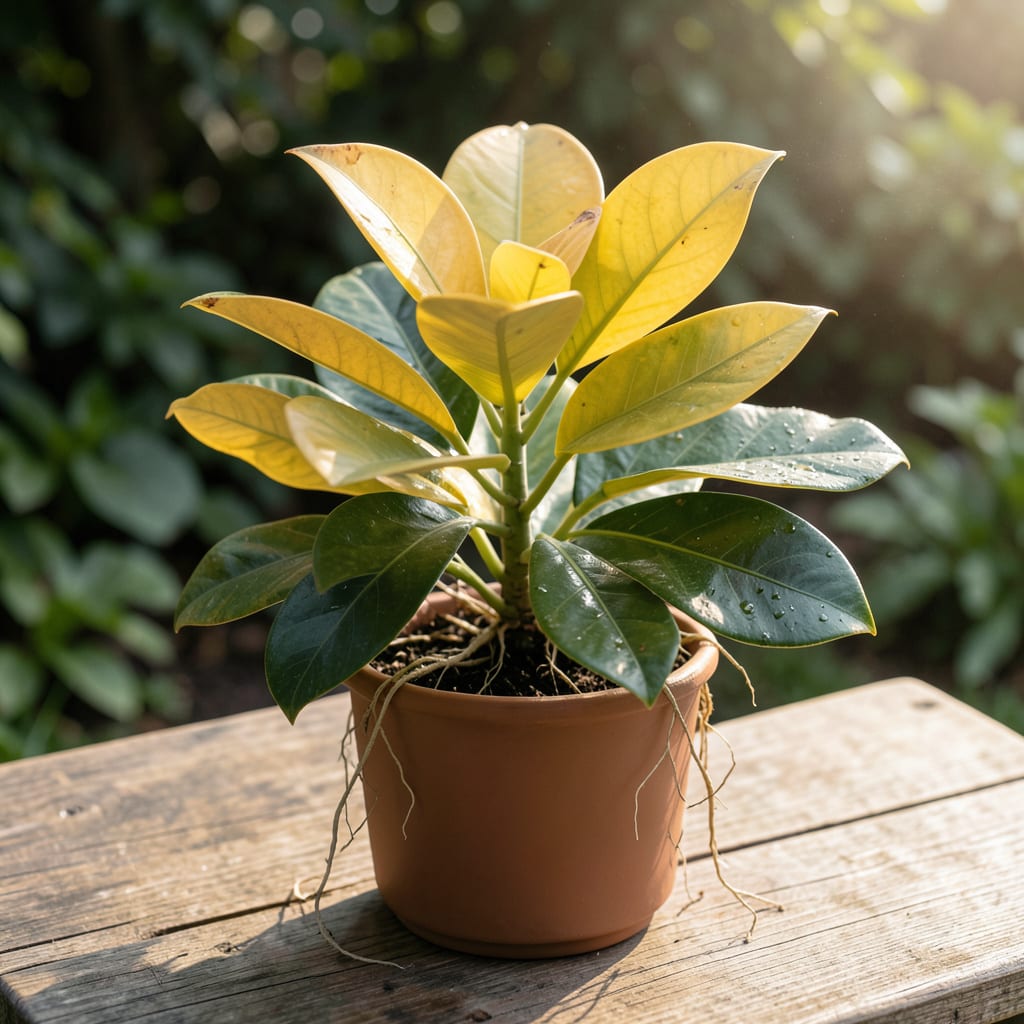
Yellow leaves on your money tree aren’t a death sentence. I’ve saved mine from the brink more times than I’d like to admit, and the fix usually comes down to two things: water and light.
Overwatering is the most common culprit—soggy soil suffocates the roots. But too little light or a sudden move can shock the plant just as badly. The good news? These issues are easy to diagnose once you know what to look for.
With a few adjustments to your care routine, you’ll see fresh, vibrant green growth returning within weeks. The key is acting fast before the yellow spreads to healthy leaves.
No fancy tools required—just observation and consistency. Here’s how to bring your plant back to life.
Money tree leaves turn yellow for several reasons, often tied to environmental stress or care mistakes. Here are the most common causes and their scientific explanations:
Excess water suffocates the roots, preventing oxygen uptake. This leads to root rot, caused by fungi like Phytophthora or Pythium, which thrive in soggy soil. As roots decay, they fail to absorb nutrients, starving the leaves of essential elements like nitrogen and magnesium, causing chlorosis (yellowing).
Money trees (Pachira aquatica) need bright, indirect light. Too little light slows photosynthesis, reducing chlorophyll production and turning leaves yellow. Conversely, direct sunlight scalds leaves, damaging chloroplasts and leading to discoloration or brown spots.
A lack of key nutrients—especially nitrogen (essential for leaf greenness), iron, or magnesium—triggers yellowing. Nitrogen deficiency starts in older leaves, while iron deficiency often affects new growth first. Poor soil quality or improper fertilization can exacerbate this.
Money trees prefer temperatures between 65–80°F (18–27°C). Cold drafts or sudden temperature drops disrupt cellular processes, while low humidity (<40%) causes moisture loss through leaves, leading to stress-induced yellowing. High humidity without airflow can also promote fungal issues.
Sap-sucking pests like spider mites, aphids, or mealybugs drain the plant’s nutrients, weakening it and causing leaves to yellow. These pests also introduce toxins or diseases, further compromising leaf health.
Yellow leaves on your money tree are a cry for help, but don’t worry—most causes are fixable with a few simple tweaks. Below are targeted solutions for the most common issues, paired with prevention tips to keep your plant thriving long-term.
If soggy soil is the culprit, stop watering immediately and let the top 1-2 inches of soil dry out completely. Repot the plant in fresh, well-draining soil if root rot is present (look for mushy, black roots). Use a pot with drainage holes and a cactus or succulent mix to prevent waterlogging. Water only when the soil feels dry—about every 1-2 weeks, depending on humidity.
Prevention tip: 💡 Stick your finger in the soil before watering. If it’s damp, wait a few more days.
Money trees need bright, indirect light (think east or north-facing windows). If your plant is in a dim corner, relocate it gradually to avoid shocking the leaves. Rotate the pot quarterly to ensure even light distribution. Avoid direct sunlight, which can scorch leaves.
Prevention tip: ✨ Use a grow light for 6-8 hours daily if natural light is insufficient, especially in winter.
Keep your money tree in a spot with consistent temperatures between 65–80°F (18–27°C). Avoid drafts from vents, AC units, or cold windows. If the air is too dry, mist the leaves lightly or use a pebble tray with water to boost humidity.
Prevention tip: 🌡️ Group plants together to create a microclimate with balanced humidity.
Yellow leaves can signal a lack of nitrogen or other nutrients. Use a balanced, water-soluble houseplant fertilizer (10-10-10 or 20-20-20) diluted to half strength. Feed every 4-6 weeks during spring and summer, but skip fertilizing in winter when growth slows.
Prevention tip: 🎯 Flush the soil with water every 2-3 months to remove excess salts from fertilizers.
Check the undersides of leaves for spider mites, mealybugs, or scale. Wipe leaves with a damp cloth or spray with neem oil (mixed with water and a drop of dish soap) to smother pests. For severe infestations, use insecticidal soap. Isolate the plant to prevent pests from spreading.
Prevention tip: 🔥 Regularly wipe leaves with a damp cloth to deter pests and keep foliage dust-free.
Water only when the top 1-2 inches of soil feel dry, typically every 1-2 weeks. Overwatering is the most common cause of yellowing leaves, so always check soil moisture first.
Unfortunately, once leaves turn yellow, they won’t regain their green color. Focus on fixing the underlying issue to prevent new leaves from yellowing. Remove severely yellowed leaves to redirect energy.
Place it in bright, indirect light like an east-facing window. Avoid direct sunlight, which can scorch leaves. If natural light is insufficient, use a grow light for 6-8 hours daily.
Avoid fertilizing until the plant recovers. Over-fertilizing stressed plants can worsen yellowing. Once healthy, use a balanced 10-10-10 fertilizer diluted to half strength every 4-6 weeks.
