
Beautiful Plants For Your Interior
Beautiful Plants For Your Interior
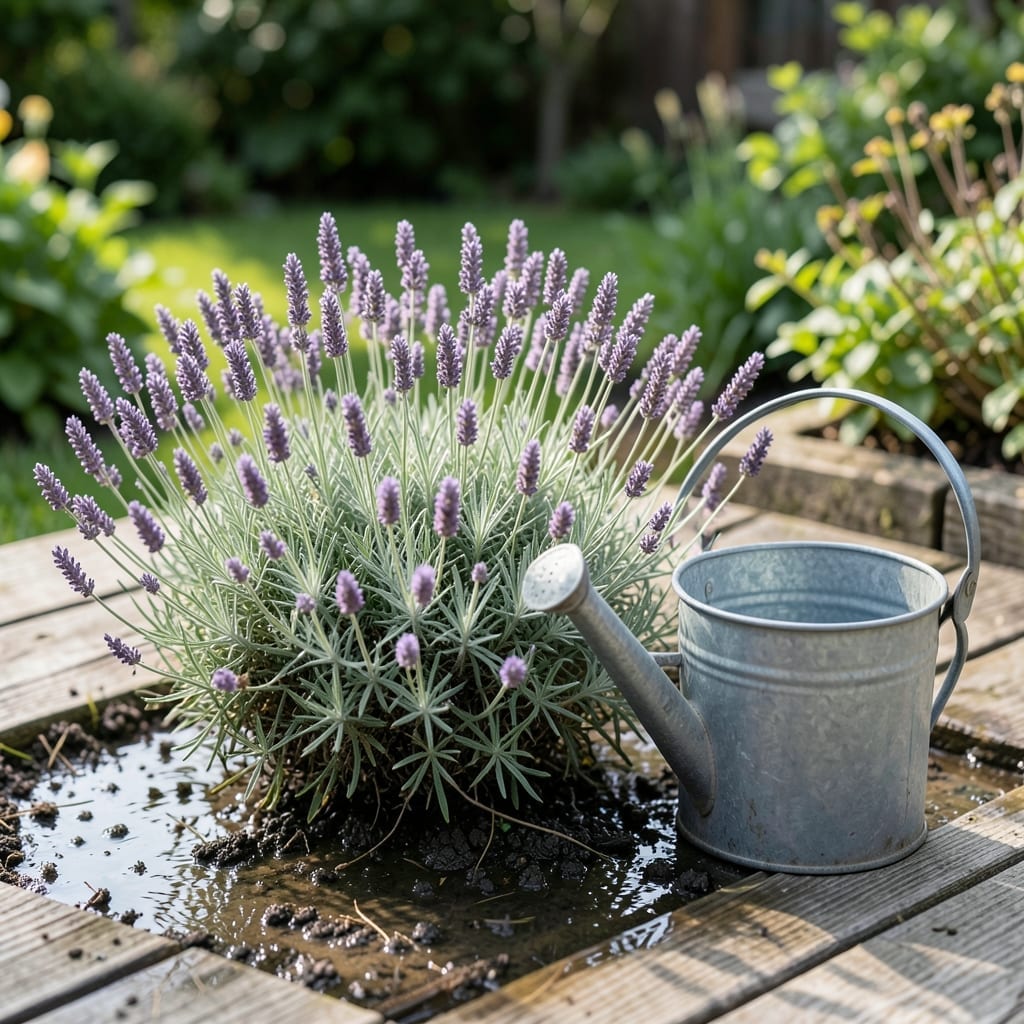
Yellowing leaves and wilting stems in lavender usually mean one thing: too much water. I’ve saved countless plants by catching this early—the roots are drowning, not thirsty.
Lavender thrives on neglect, not kindness. The fix starts with stopping all watering immediately and checking the soil. If it’s soggy, we need to act fast to prevent root rot from spreading.
Once you adjust the watering routine, new growth appears within 2-3 weeks. The key is letting the soil dry completely between drinks and ensuring good drainage.
This plant bounces back surprisingly well with the right care. You’ll see those purple blooms return stronger than before.
Overwatering lavender is often the result of misunderstanding this drought-tolerant plant’s natural needs. Here’s why it happens:
Lavender thrives in dry, well-drained conditions. Its roots are adapted to Mediterranean climates, where rainfall is infrequent. When watered too often—especially in heavy or compacted soil—the roots suffocate from lack of oxygen, leading to rot and wilting.
Lavender requires sandy, porous soil to prevent waterlogging. Clay or dense soils trap moisture, creating a stagnant environment where roots drown. Without proper drainage, even moderate watering can mimic overwatering effects.
Potted lavender in oversized containers holds excess moisture around the roots. Always choose pots with drainage holes and use a gritty, fast-draining mix (e.g., 50% perlite/sand) to replicate its native habitat.
Rainy seasons or high humidity reduce evaporation, meaning the soil stays wet longer. Gardeners may not adjust their watering schedule accordingly, unknowingly compounding the problem.
Actionable tip: Always check soil dryness 1–2 inches down before watering.
If your lavender is suffering from too much water, don’t panic—here’s how to nurse it back to health with targeted fixes for each issue.
Fix: Stop watering immediately and let the soil dry out completely. Check the roots for rot—trim any dark, mushy sections with clean shears. Repot in fresh, well-draining soil and a container with drainage holes. Prevention tip: 💡 Water only when the top 1–2 inches of soil are bone-dry.
Fix: Prune affected stems to improve airflow and remove any fungal growth. Apply a natural fungicide like neem oil or a baking soda solution (1 tsp baking soda + 1 quart water + a drop of dish soap). Prevention tip: ✨ Space plants 18–24 inches apart and avoid overhead watering.
Fix: Gently dig up the plant and inspect the roots. Cut away black, slimy roots and repot in a sterile, sandy mix (add perlite or coarse sand for drainage). Avoid fertilizing until the plant recovers. Prevention tip: 🎯 Use terracotta pots—they wick away excess moisture faster than plastic.
Fix: If planted in the ground, amend the soil with gravel or organic matter to improve drainage. For potted lavender, ensure the container has holes and elevate it to prevent water pooling. Prevention tip: 🌡️ Use a moisture meter to avoid guesswork—lavender thrives in dry conditions.
With these steps, your lavender can bounce back, regaining its vibrant color and fragrant charm. Patience and proper care are key!
Water only when the top 1-2 inches of soil are completely dry. In most climates, this means every 2-3 weeks. Lavender prefers drought over dampness.
Once leaves yellow from overwatering, they won’t recover. Focus on improving care and new growth will appear in 2-3 weeks. Remove damaged leaves to redirect energy.
Use a mix of 50% potting soil and 50% perlite/sand for fast drainage. Terracotta pots help wick away excess moisture better than plastic.
Gently dig up the plant and check for black, mushy roots with a foul smell. Healthy roots are firm and white. Act fast if rot is present.